America's Lost Kitchen Secret: The Pungent Spice That Vanished From Every Cookbook
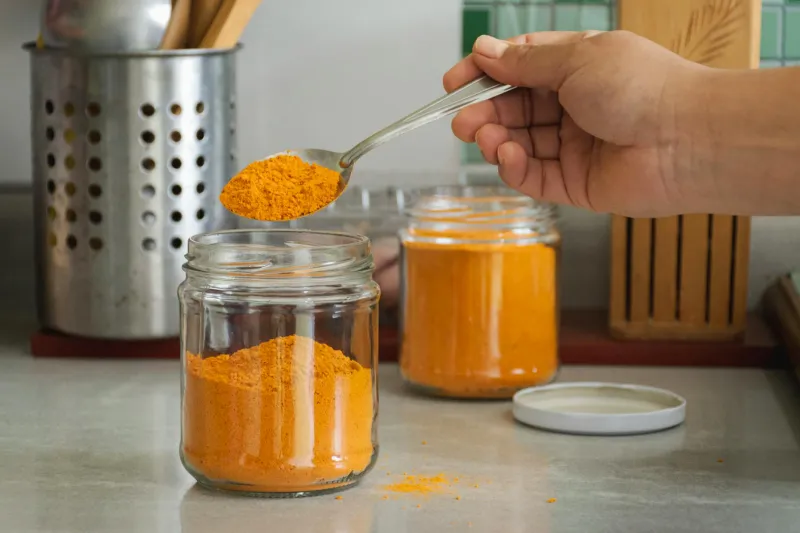
America's Lost Kitchen Secret: The Pungent Spice That Vanished From Every Cookbook
Walk into any American grocery store today and you'll find endless rows of spices — everything from turmeric to za'atar. But there's one ingredient that once sat in nearly every American pantry that you'll never see on those shelves: asafoetida, a resinous spice so pungent it earned the nickname "devil's dung."
If that doesn't sound appetizing, you're not alone. But for over a century, this sulfurous, onion-garlic flavored powder was as common in American kitchens as salt and pepper. Then, sometime in the early 1900s, it quietly vanished from mainstream cooking — and most Americans forgot it ever existed.
The Spice That Traveled Continents
Asafoetida's journey to America began thousands of miles away in the mountains of Afghanistan and Iran, where the Ferula plant grows wild. For centuries, locals would harvest the milky resin from the plant's roots, dry it into chunks, and grind it into powder. The result was a spice that smelled terrible raw but transformed into something magical when cooked — adding a deep, savory complexity that made everything taste more like itself.
The spice traveled ancient trade routes, becoming essential in Persian, Indian, and Middle Eastern cooking. But its path to American kitchens took an unexpected route through European colonial networks and immigrant communities who brought their culinary traditions across the Atlantic.
When America Fell in Love With "Stinking Gum"
By the mid-1800s, asafoetida had found its way into American cookbooks under various names: "stinking gum," "food of the gods," or simply "asa." Cookbooks from the era show it appearing in everything from beef stews to vegetable pickles, with recipes calling for just a pinch to enhance flavor.
What made asafoetida particularly valuable in 19th-century American cooking was its ability to add depth without fresh aromatics. Before refrigeration made fresh garlic and onions widely available year-round, asafoetida provided that essential savory base note that cooks craved. A tiny amount could transform a simple pot of beans into something that tasted like it had been simmering with onions for hours.
German and Eastern European immigrants, in particular, brought asafoetida-heavy recipes with them. Pennsylvania Dutch communities used it in their traditional dishes, while Jewish immigrants incorporated it into kosher cooking where it served as a flavor enhancer that didn't compete with dietary restrictions.
The Great Disappearing Act
So what happened to America's relationship with asafoetida? The answer lies in the intersection of changing food systems, marketing, and cultural assimilation pressures of the early 20th century.
First, improved transportation and refrigeration made fresh garlic and onions more accessible and affordable. Why use a strange-smelling powder when you could get the "real thing"? Second, the rise of commercial spice companies like McCormick focused on standardizing and popularizing more familiar European herbs and spices that appealed to broader American tastes.
But perhaps most significantly, the push for cultural assimilation during World War I and the 1920s meant that many immigrant communities began abandoning "foreign" ingredients in favor of more "American" cooking styles. Asafoetida, with its strong smell and unfamiliar name, became a casualty of this cultural shift.
The Communities That Never Forgot
While mainstream America moved on, certain communities never stopped using asafoetida. Indian-American households continued incorporating it into dal and vegetable dishes. Some Southern cooks, particularly in Louisiana's Creole communities, kept using it in their holy trinity of cooking. And surprisingly, some Appalachian families maintained recipes passed down from European ancestors that still called for a pinch of "asa."
These cooks understood what mainstream America had forgotten: asafoetida wasn't just a substitute for garlic and onions — it was something entirely different. When heated in oil, it develops a unique umami-rich flavor that's simultaneously sharp and mellow, adding a complexity that fresh aromatics alone can't achieve.
The Quiet Comeback
Today, asafoetida is experiencing a subtle renaissance. Specialty spice shops carry it, often in small containers with tight-fitting lids (for obvious reasons). Food Network chefs occasionally mention it, and food bloggers write about "discovering" this "new" ingredient.
What's particularly interesting is how modern American cooks are rediscovering the same applications their great-great-grandparents knew by heart. Food52 recipes call for it in roasted vegetables. Bon Appétit suggests it for enhancing tomato sauces. Modern pickle makers are adding it to their brines for that extra flavor dimension.
Why It Matters Now
The story of asafoetida isn't just about a forgotten spice — it's about how easily culinary knowledge can disappear when cultural pressures shift. In our current era of global food culture and renewed interest in traditional techniques, asafoetida represents the kind of ingredient that challenges our assumptions about what "American" cooking really means.
For curious home cooks willing to brave its initial assault on the senses, asafoetida offers a direct connection to a more diverse American culinary past — one where immigrant knowledge wasn't just tolerated but treasured. And in our kitchens today, just a pinch can unlock flavors that modern cooking has been trying to recreate ever since.