Food & Culture
Seven Roadside Bites That Outraced the Interstate
Before Eisenhower's highways, America ate on the road too — just at two-lane speed. Here's what to order on your next road trip, and the surprisingly old stories behind every bite.
Uncover the stories nobody thought to tell.
Before Eisenhower's highways, America ate on the road too — just at two-lane speed. Here's what to order on your next road trip, and the surprisingly old stories behind every bite.

Long before influencer chefs and viral recipes, an army of home economists at food companies quietly standardized what Americans cook. Their fingerprints are on every Jell-O box and Crisco tin — and almost nobody knows their names.

Silicon Valley keeps raising millions to deliver 'imperfect' produce to American doorsteps. But the WWII home front ran this exact experiment decades ago — with canning brigades, waste-free pamphlets, and zero apps. What did we forget?
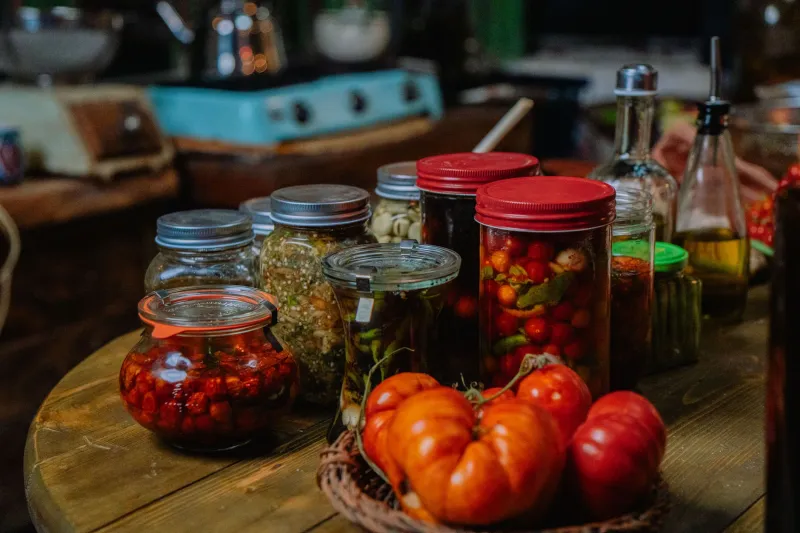
Before mason jars became a Pinterest aesthetic and canning became synonymous with country kitchens and plaid aprons, a completely different crowd was boiling jars in cramped apartments and trading preservation recipes through hand-copied zines. The real story of America's canning revival starts in the 1980s — and it starts in places Martha Stewart never visited.
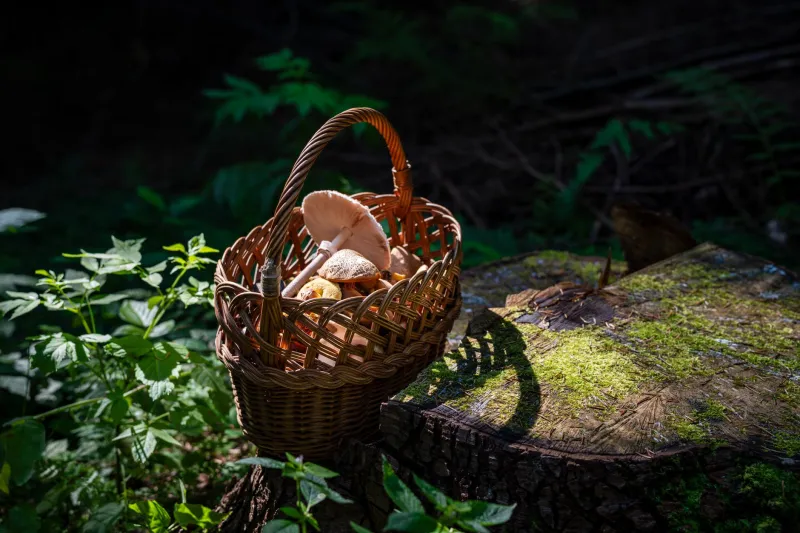
Long before 'farm-to-table' showed up on restaurant menus, a loose network of amateur mushroom hunters across the Pacific Northwest and Appalachia were quietly rewiring how Americans thought about where food comes from. Armed with hand-stapled newsletters and kitchen-table field guides, they built a decentralized food movement that nobody bothered to name. Here's the story they never got credit for.
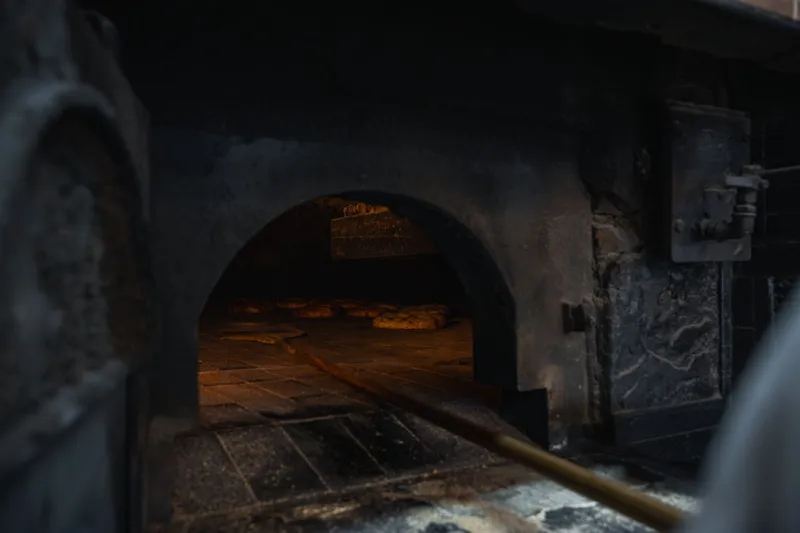
Tucked behind old rowhouses in Pittsburgh, St. Louis, and Philadelphia, you can still find them — heavy, hand-built brick ovens that immigrant families constructed decades ago to bake bread the way their grandmothers did. Most neighbors walk past them without a second glance. But these ovens are time capsules, and the stories baked into their walls are more layered than you'd expect.
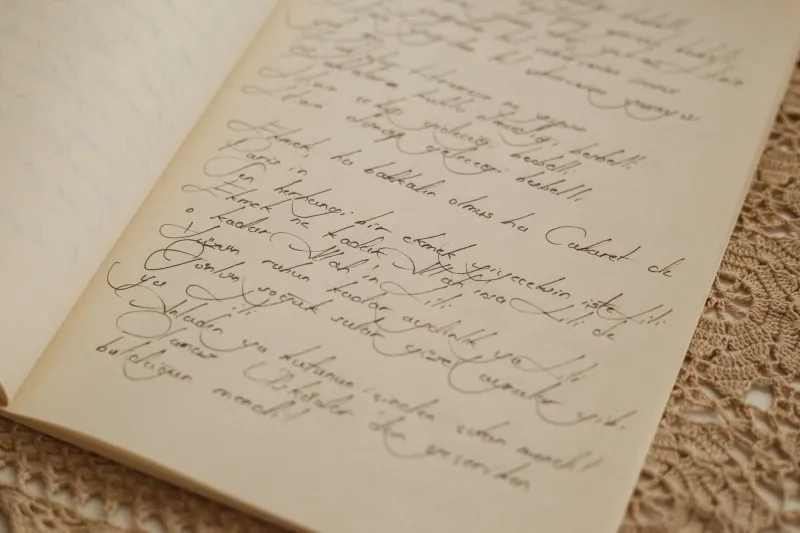
Long before celebrity chefs or food documentaries, a loose network of home cooks and traveling salesmen were filling pocket notebooks with handwritten recipes from every corner of America. These informal records became an accidental culinary atlas—and they reveal just how wildly different American food culture was from one county to the next. The story of how they did it, and why almost nobody remembers them, is one of food history's best-kept secrets.
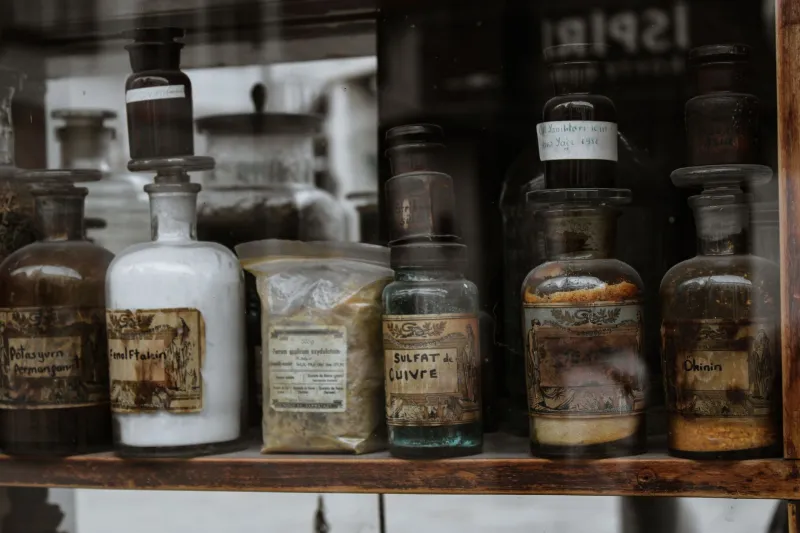
For most of American history, the spice cabinet and the medicine chest were basically the same thing. Doctors prescribed ginger, cloves, and turmeric with the same confidence they'd later prescribe antibiotics—and patients expected it. Now that modern science has gone back and looked at what those remedies actually did, the results are more complicated, more surprising, and more useful than you might expect.
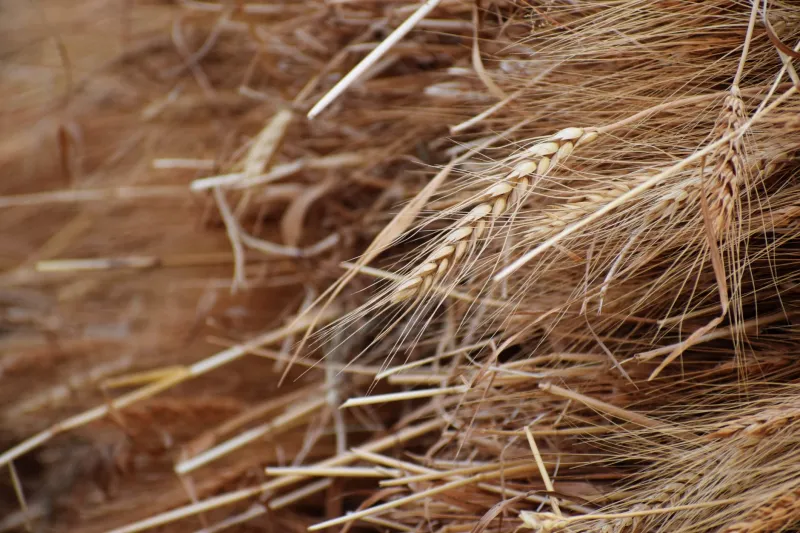
There was a grain growing across early America that stored better than wheat, survived harsher winters, and packed more nutrition per handful than almost anything else settlers could grow. Native communities had relied on it for centuries. Pioneers discovered it and built entire winter food strategies around it. Then industrial farming showed up—and it nearly vanished entirely. Here's the story of what happened, and why it's slowly coming back.
Before casseroles had names or slow-cooked beans had recipes attached to them, the real inventors of American comfort food were rural schoolteachers managing cold lunches in one-room schoolhouses with nothing but a woodstove and whatever farm kids brought from home. What happened in those buildings between 1870 and 1920 shaped the food identity of entire regions — and almost nobody talks about it. This is the story of the accidental culinary revolution that started with a lunch pail.
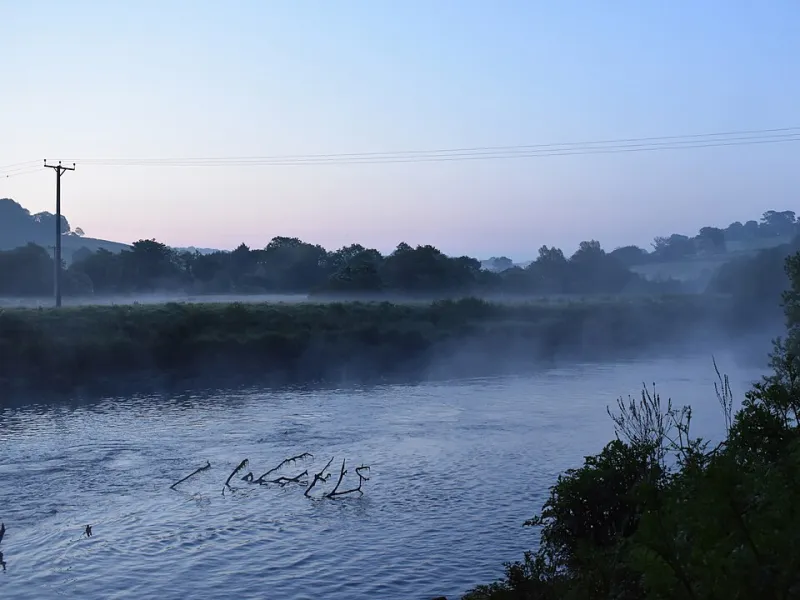
In the hours before most American cities woke up, a completely different economy was already running at full speed — one built by first-generation immigrants who traded produce, haggled prices, and quietly shaped what urban America would eat that day. These pre-dawn wholesale markets were the invisible engine of neighborhood food culture for decades, and the food historians who study them say we've barely begun to understand what was actually happening there. Here's the world that existed before
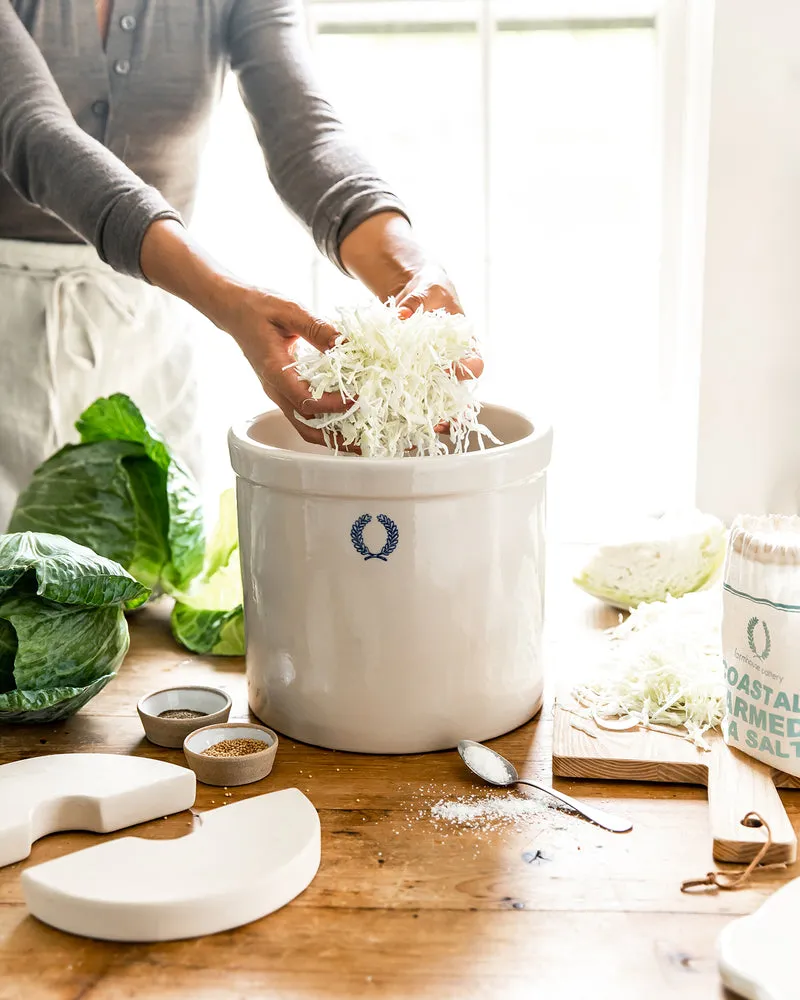
Long before kombucha lined grocery store shelves, Appalachian grandmothers were quietly brewing a tangy, gut-healing drink from dried fruit scraps and wild yeast that kept entire families going through brutal mountain winters. The recipes were never written down — passed mouth to ear, generation to generation — and modern microbiologists are now discovering those old women knew exactly what they were doing. Here's the story of the forgotten ferment that the wellness industry accidentally reinven
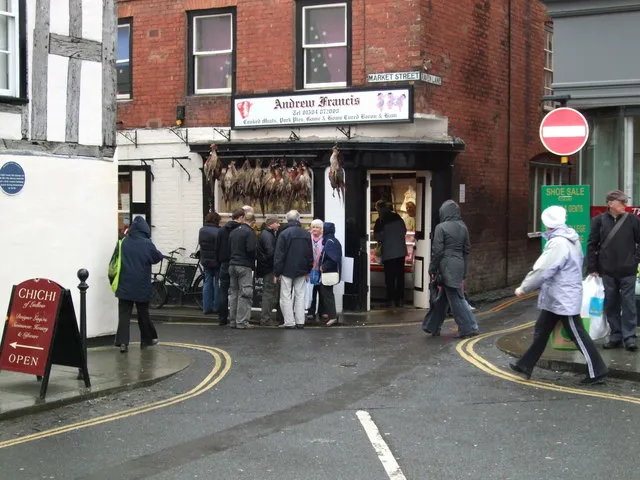
When immigrant butchers from Europe and Latin America set up shop in early 20th century American cities, they brought along an entirely different philosophy about how an animal should be broken down — one that produced richer, more flavorful cuts that mainstream meat counters dismissed as scraps. Decades later, those same cuts are quietly showing up in specialty shops and restaurant menus, and chefs can't get enough of them. The story of what got left behind at the American meat counter is tasti
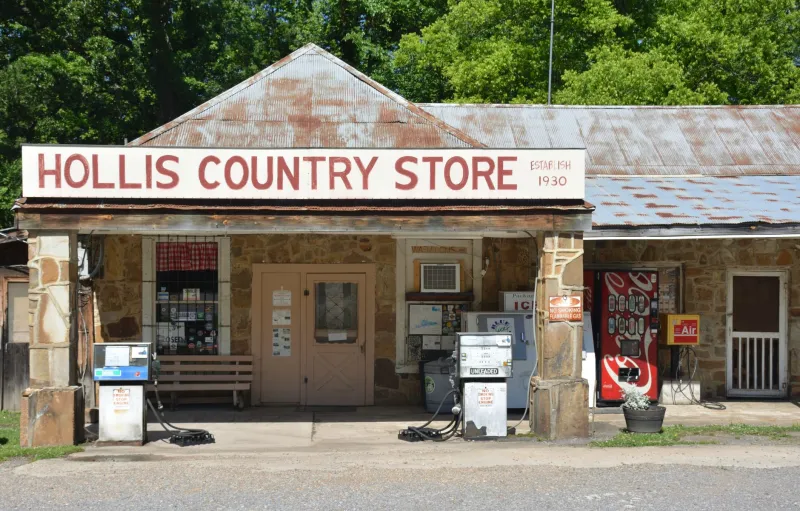
Long before anyone had a smartphone or a Yelp review, hand-drawn maps quietly passed between struggling families during the Great Depression, pointing them toward orchards, farm fields, and roadside stands where food was free for the taking. Nobody organized these networks officially, and almost nobody wrote about them — but they kept entire communities alive. Here's the hidden geography of hunger that history forgot to document.
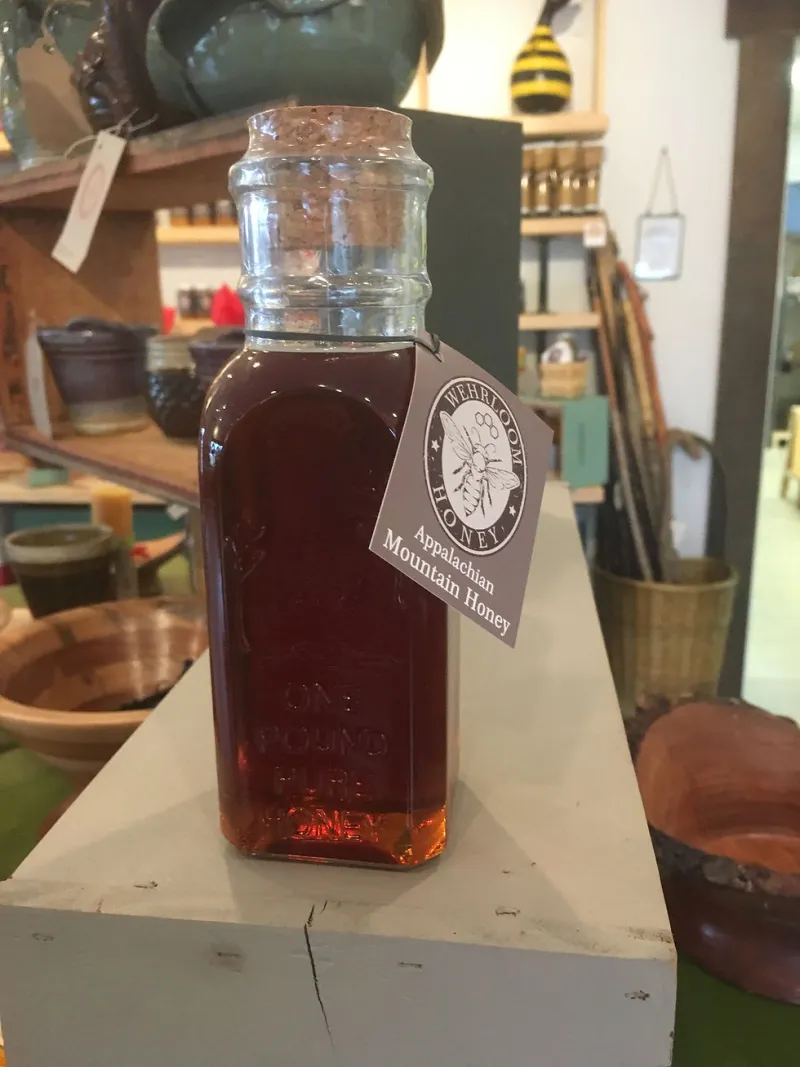
Most Americans have tasted clover honey, wildflower honey, and maybe even manuka if they've been paying attention to wellness trends. But there's a honey produced in a narrow band of Appalachian mountain forests that seasoned beekeepers call the finest in the country — possibly the continent — and almost nobody outside the region has ever tasted it. Sourwood honey is real, it's extraordinary, and its story is one of the most quietly remarkable in American food.
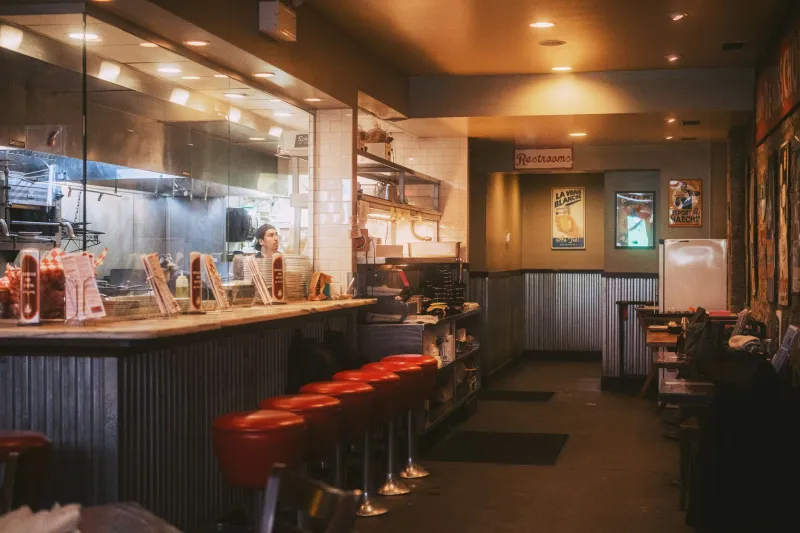
Before flavor scientists filled corporate labs, small-town lunch counter operators were doing something far more interesting — accidentally inventing America's most beloved tastes. Working with syrups, extracts, and pure curiosity, these unsung tinkerers built flavor profiles that billion-dollar brands would eventually chase. The story of how American taste was born behind a humble counter is stranger — and more delicious — than you'd expect.
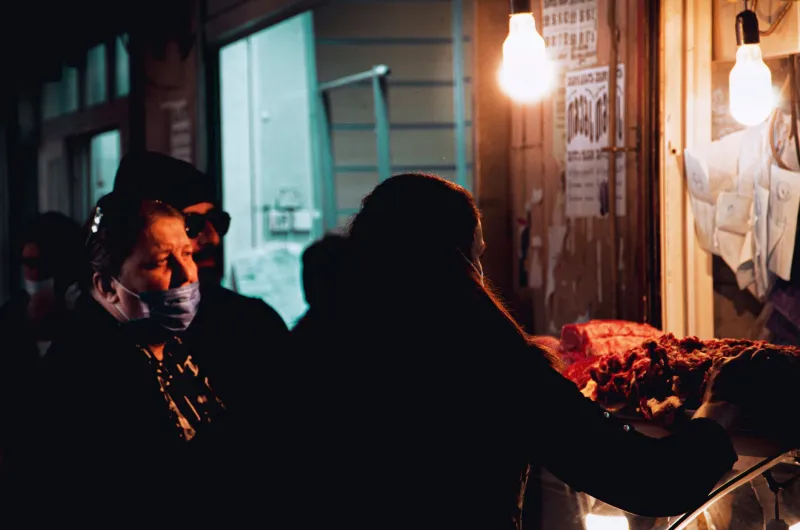
When immigrant butchers from Europe and Latin America set up shop in American cities, they brought with them a completely different map of the animal — one that turned what mainstream American meatpacking dismissed as offcuts and trim into some of the most flavorful steaks you can buy today. The flat iron, the bavette, the secreto: these cuts didn't come from a corporate test kitchen. They came from a neighborhood counter where a butcher from another country looked at American beef and saw somet
Decades before heirloom tomatoes became a farmers market buzzword, ordinary American families were quietly hiding rare vegetable seeds in coat linings, root cellars, and plain postal envelopes — keeping alive plant varieties that official agriculture had essentially declared dead. These weren't scientists or activists. They were grandmothers, subsistence farmers, and immigrant gardeners who simply refused to let go. And because of them, some of those "extinct" vegetables are showing up on restau
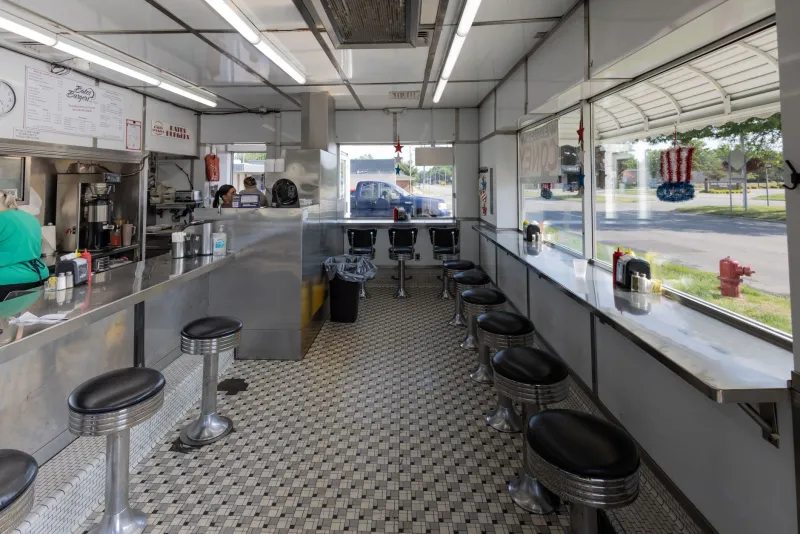
Before kitchen display screens and digital tickets, short-order cooks ran chaotic American lunch counters through a brilliantly strange spoken code — 'burn one,' 'axle grease,' 'two dots and a dash' — that was part efficiency system, part performance art. It worked beautifully for over a hundred years. Then corporate fast food quietly killed it.
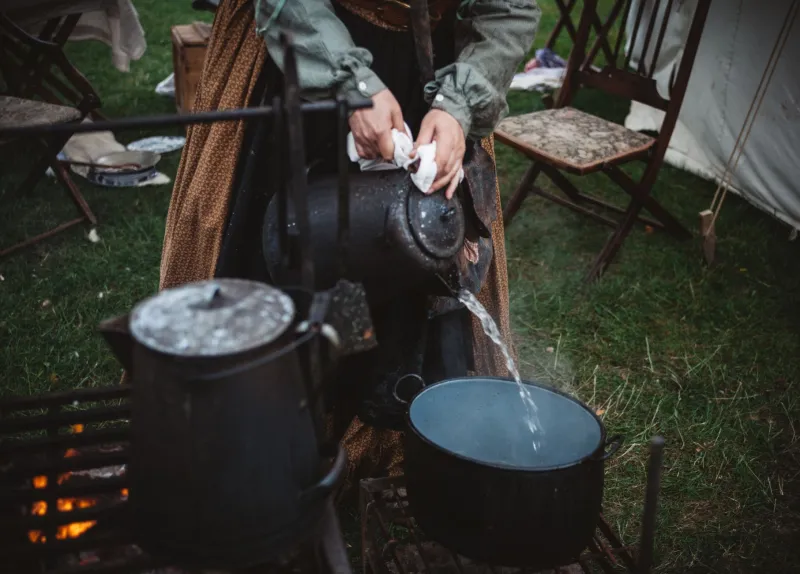
Long before electrolyte packets existed, westward settlers were surviving brutal overland crossings on a tangy, fermented corn beverage passed down from Indigenous communities. Trail guides swore by it. History books ignored it entirely. The science behind it turns out to be surprisingly solid.