America's Secret Soda Map: The Fizzy Drinks That Never Left Their Hometown
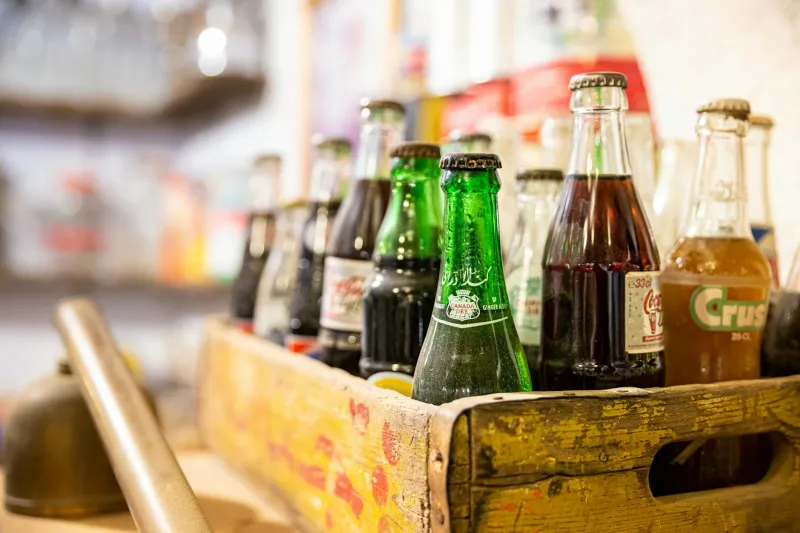
Somewhere in rural Pennsylvania, a gas station cooler holds bottles of a birch beer that's been made the same way since 1918. Three counties over in Ohio, a family pharmacy still mixes a cherry soda so beloved that locals drive hours to stock up before family reunions. And in a small Texas town, a root beer recipe guards secrets that Coca-Cola's chemists would love to crack — if they even knew it existed.
Welcome to America's hidden soda map, where dozens of hyper-local soft drinks have quietly thrived in the shadows of Big Cola for more than a century.
The Pharmacy Soda That Time Forgot
Most of these regional sodas started the same way Coca-Cola did: in the back room of a small-town pharmacy. But while Atlanta's most famous fizzy drink went global, these local brews stayed put, becoming liquid landmarks that define their communities as surely as any monument or main street.
Take Moxie, perhaps the most famous of the forgotten sodas. Born in 1876 in Lowell, Massachusetts, Moxie once outsold Coca-Cola across New England. Its distinctively bitter, almost medicinal flavor — derived from gentian root extract — became so associated with New England character that "moxie" entered the dictionary as a synonym for determination and grit.
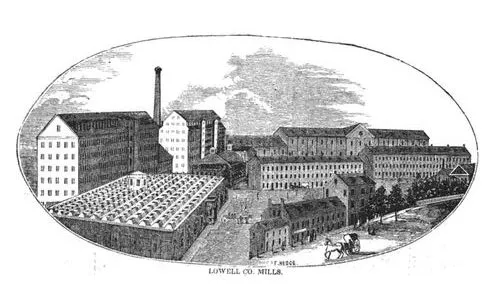 Photo: Lowell, Massachusetts, via historyofmassachusetts.org
Today, Moxie clings to life in Maine, where it's the official state soft drink and where locals defend its acquired taste with the fervor usually reserved for sports teams. You can't walk into a Maine grocery store without seeing those distinctive orange labels, but cross into New Hampshire and Moxie virtually disappears.
The Soda Geography Nobody Maps
What's fascinating about regional sodas isn't just that they exist — it's how precisely they've maintained their geographic boundaries. Cheerwine, the cherry-flavored soda born in Salisbury, North Carolina in 1917, remains intensely concentrated in the Carolinas despite being distributed more widely. Ask for Cheerwine in a Charlotte restaurant and servers know exactly what you mean. Try the same thing in Richmond, Virginia — just 200 miles north — and you'll get blank stares.
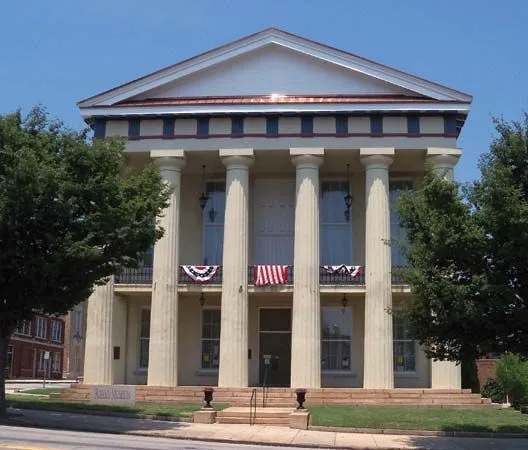 Photo: Salisbury, North Carolina, via cdn.britannica.com
Similarly, Vernors ginger ale maintains an almost mystical hold on Michigan. Created by Detroit pharmacist James Vernor in 1866, Vernors has a distinctively spicy, almost aggressive ginger bite that Michiganders consider the gold standard for ginger ale. The brand has national distribution now, but its cultural heartland remains stubbornly Midwestern.
Then there's Ale-8-One, Kentucky's caffeine-powered ginger ale that's remained virtually unknown outside the Bluegrass State since 1926. The name comes from its original slogan — "A Late One" — and the recipe includes real ginger and citrus oils that give it a brightness most mass-market sodas lack.
The Secret Recipes That Never Traveled
What keeps these sodas local isn't lack of ambition — it's often deliberate choice. Many regional soda makers discovered that their success depended on staying small, staying local, and staying true to recipes that might not translate to mass production or mass appeal.
Frostop Root Beer, still made in small batches across the Midwest, uses real vanilla and wintergreen extracts that would be prohibitively expensive to scale up. The result is a root beer with complexity that mass-market brands can't match, but only if you're willing to pay premium prices and limit your distribution.
Some regional sodas survive because they've become cultural touchstones for specific communities. Big Red, the cream soda-bubble gum hybrid that dominates Texas and parts of Louisiana, tastes like liquid nostalgia to anyone who grew up in its territory. Its flavor profile — sweet, fruity, and vaguely medicinal — would probably seem bizarre to outsiders, but for Texans, it's the taste of childhood birthday parties and summer afternoons.
The Cult Following Economy
What's remarkable is how these tiny soda empires sustain themselves in an age of global brands and massive marketing budgets. The answer lies in something larger corporations struggle to create: genuine cult followings.
Regional soda drinkers don't just consume these beverages — they evangelize for them. They bring cases home from family visits. They ship bottles to friends who've moved away. They defend their local soda's superiority with the passion of wine collectors discussing vintage Bordeaux.
This loyalty creates a sustainable business model that doesn't require growth or expansion. A regional soda maker can thrive by serving a customer base that's small but intensely devoted, charging premium prices for products that can't be found anywhere else.
The Flavor Time Capsules
Perhaps the most intriguing aspect of regional sodas is how they've preserved flavor profiles that mainstream America has forgotten. Before high fructose corn syrup and artificial flavoring dominated the industry, sodas were more diverse, more experimental, and often more intensely flavored.
Birch beer, still popular in Pennsylvania and parts of the Northeast, tastes like a completely different category of beverage compared to modern root beer. Made with oil of wintergreen extracted from birch bark, it has an almost medicinal sharpness that's both refreshing and challenging.
Sarsaparilla, the cowboy soda that predated root beer, survives in pockets of the Southwest where local bottlers still use real sassafras and sarsaparilla root extracts. The flavor is earthier, more complex, and more bitter than anything you'll find in a national chain.
The Hidden Geography of Taste
These regional sodas create an alternative map of America — one drawn not by state lines or interstate highways, but by flavor preferences and cultural identity. They remind us that before mass media and national brands homogenized American taste, different regions developed their own culinary personalities that extended all the way down to what they put in their soda fountains.
The next time you're traveling through small-town America, skip the familiar brands in the gas station cooler and look for the local options. That unfamiliar bottle might contain a piece of American flavor history that's managed to survive in the shadows of the cola wars — a taste of what American diversity looked like before everything started tasting the same.