The Church Basement Guardians Secretly Saving America's Most Endangered Vegetables
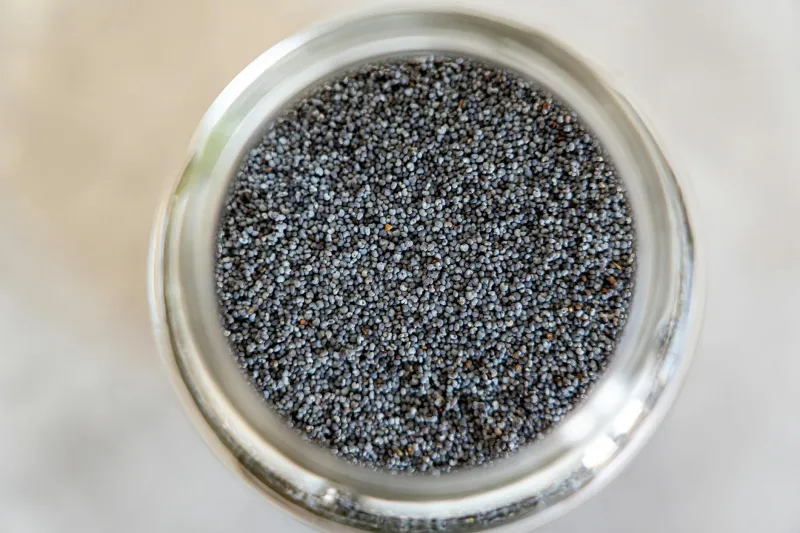
In the basement of a small Baptist church in eastern Kentucky, 73-year-old Martha Jenkins keeps a collection that would make any botanist weep with joy. Tucked inside mason jars, pill bottles, and old coffee cans are seeds for vegetables you've probably never heard of — and may never get the chance to taste.
There's the Cherokee Trail of Tears bean, carried by forced migrants in the 1830s. The mortgage lifter tomato, so named because Depression-era farmers could pay off their homes selling them. The moon and stars watermelon, with yellow spots that look like a night sky scattered across its dark green skin.
Martha isn't running a business or seeking recognition. She's part of an invisible network of seed savers across Appalachia who are quietly preserving America's agricultural heritage one handful of seeds at a time.
The Vegetables That Time Forgot
Most Americans eat from a shockingly narrow menu without realizing it. Of the thousands of vegetable varieties that existed a century ago, we now rely on just a handful of commercial crops bred for shipping, shelf life, and uniform appearance. The rest? They're vanishing faster than anyone wants to admit.
But in hollers and hillsides across Appalachia, families have been saving seeds the way their great-grandparents did — selecting the best from each harvest, drying them carefully, and passing them along to neighbors, children, and anyone else who promises to keep growing them.
These aren't your grocery store vegetables. We're talking about beans that climb 15 feet high and produce pods for months. Tomatoes that weigh three pounds each and taste like nothing you've ever experienced. Corn varieties developed specifically for making moonshine (not that anyone admits to that connection anymore).
Where Science Meets Kitchen Wisdom
What makes these informal seed libraries so remarkable isn't just what they preserve — it's how they do it. Martha and her fellow seed savers practice a form of plant breeding that agricultural scientists are only beginning to understand.
Take the story of the Radiator Charlie's mortgage lifter tomato. Back in the 1930s, a West Virginia radiator repairman named Charlie Byles wanted to grow tomatoes big enough to make serious money. So he planted four different heirloom varieties in a circle, put one mystery variety in the center, and let nature do the cross-pollinating. After six years of selecting the best offspring, he had created a tomato so remarkable that people drove from neighboring states to buy them.
Charlie saved enough money selling those tomatoes to pay off the $6,000 mortgage on his house — hence the name. Today, that same variety grows in Martha's garden and dozens of others across the region, maintained by people who understand that the best plant breeding happens slowly, over generations, in real soil under local conditions.
The Network You Never Knew Existed
What's fascinating is how these seed savers find each other. There's no central organization, no membership fees, no official meetings. Instead, there's a quiet network that operates through church potlucks, farmers markets, and conversations over back fences.
Someone mentions they're looking for a particular bean their grandmother used to grow. Word travels through family connections, church congregations, and community groups until someone three counties over says, "Oh, I think my cousin still has those." Seeds change hands in parking lots, through the mail, and at kitchen tables where stories are shared along with the planting instructions.
This informal system has kept hundreds of varieties alive that would have disappeared decades ago. Some exist in just one or two gardens, maintained by people who may not fully understand the genetic treasure they're protecting.
Why Grocery Stores Can't Compete
The vegetables in Martha's collection would never survive modern agriculture. They're too fragile for mechanical harvesting, too variable for uniform packaging, too perishable for long-distance shipping. But that's exactly what makes them special.
The Cherokee Trail of Tears bean, for instance, produces pods over a long season instead of all at once. That's terrible for commercial farming but perfect for families who want fresh beans on the table from July through October. The mortgage lifter tomato bruises easily and has an irregular shape, but the flavor is so intense that one slice can transform a sandwich.
These varieties evolved to thrive in specific microclimates, resist local pests, and satisfy particular tastes. They represent thousands of years of careful selection by people who cared more about flavor and nutrition than shipping weight and shelf appeal.
The Race Against Time
Here's the sobering reality: many of these seed savers are getting older, and their collections are at risk. Martha is 73. Her neighbor who grows the moon and stars watermelon is 81. Across Appalachia, knowledge and seeds are disappearing as older generations pass away and younger people move to cities.
Some organizations are working to document and preserve these varieties, but the real preservation happens in gardens, not gene banks. Seeds need to be grown regularly to stay viable, and many of these varieties require specific growing techniques that exist only in the memories of people who learned them from their parents and grandparents.
What We're Really Losing
When a vegetable variety disappears, we don't just lose a plant — we lose centuries of accumulated wisdom about how to grow it, cook it, and preserve it. We lose flavors that our great-grandparents considered normal. We lose genetic diversity that could be crucial for developing crops that can survive climate change or new diseases.
Most importantly, we lose the connection between people and their food that these seed savers represent. Martha doesn't just grow vegetables — she knows their stories, their quirks, their preferred growing conditions. She understands that preserving seeds means preserving culture.
A Different Kind of Insurance Policy
While agricultural scientists debate the future of food security, people like Martha are quietly providing a different kind of insurance policy. In church basements, spare bedrooms, and root cellars across Appalachia, they're maintaining a living library of genetic diversity that could prove invaluable in ways we can't yet imagine.
They're not trying to change the world or challenge big agriculture. They're simply doing what their families have always done: saving the best, sharing with neighbors, and keeping traditions alive. But in a world increasingly dependent on industrial food systems, their quiet work may be more important than anyone realizes.
The next time you bite into a supermarket tomato and wonder why it tastes like cardboard, remember Martha and her mason jars full of seeds. Somewhere in those containers might be the flavors you're missing — if we can keep them alive long enough to taste them again.