When Your Wedding Cake Doubled as a Popularity Contest
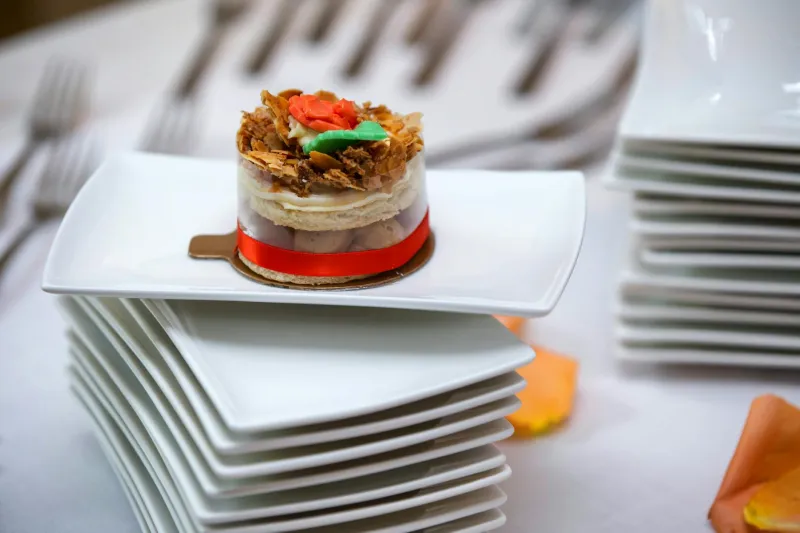
Imagine walking into a wedding reception where the cake itself tells the story of how much the community loves the newlyweds. Not through fancy decorations or expensive ingredients, but through sheer height — layer upon layer of thin, spiced cake stacked as tall as the couple's friendships run deep.
This wasn't some Pinterest-worthy modern trend. For generations of Appalachian families, the stack cake was both dessert and social barometer, a delicious way of turning economic hardship into visible celebration.
The Genius of Collective Baking
The tradition emerged in the mountains of Kentucky, Tennessee, Virginia, and North Carolina during the late 1800s, though it likely has deeper roots in Scots-Irish baking traditions. The concept was beautifully simple: instead of bringing wedding gifts, each family attending the celebration would contribute a single thin cake layer.
These weren't elaborate confections. Each layer was typically made from basic pantry staples — flour, eggs, butter or lard, molasses, and spices like ginger or cinnamon. The batter was rolled thin and baked in large skillets or on flat griddles, creating cake layers that were more like giant cookies.
But here's where the tradition got clever: the dried apple filling between layers wasn't added until the wedding day. Families would bring their cake layers wrapped in clean cloth, and the bride's family would assemble the final stack, spreading sweetened dried apples — often called "apple butter" though it contained no actual butter — between each contribution.
The Higher the Stack, the Deeper the Love
What made this tradition brilliant was how it transformed economic limitation into social celebration. In communities where cash wedding gifts were rare and store-bought presents were luxuries, the stack cake created a way for everyone to contribute something meaningful.
The height of the finished cake became a visible measure of the couple's place in the community. A towering stack — sometimes reaching eight, ten, or even twelve layers — announced that this couple was well-loved, well-connected, and likely to receive community support in the years ahead.
Conversely, a shorter stack might signal social isolation or family conflicts. The cake literally made community relationships visible to every wedding guest.
The Science Behind the Stack
What's remarkable is how well this tradition worked from a purely practical standpoint. The thin cake layers, dense with spices and molasses, could be baked days ahead without spoiling. The dried apple filling acted as both flavor enhancer and natural preservative.
Once assembled, the stack cake actually improved with time. The apple filling would slowly moisten the cake layers, creating a unified dessert that was part cake, part pudding, and entirely different from anything else in American baking.
The spices — typically ginger, cinnamon, and sometimes nutmeg — weren't just for flavor. They had antimicrobial properties that helped preserve the cake in an era before reliable refrigeration. Mountain families had accidentally created a dessert that could feed a crowd and last for days.
More Than Just Wedding Cake
While weddings were the most famous occasion for stack cakes, the tradition extended to other community gatherings. Church socials, barn raisings, and harvest celebrations all might feature collaborative stack cakes, with families contributing layers based on their ability and the occasion's importance.
The apple filling itself was a year-round project. Families would dry apples during the fall harvest, often stringing them on threads and hanging them in attics or near fireplaces. Come winter and spring, these preserved apples would be cooked down with sugar or molasses and spices to create the filling that bound the community cake together.
When Hard Times Made the Tradition Essential
The stack cake tradition reached its peak during the Great Depression, when it became less about celebration and more about survival. In mountain communities hit hard by economic collapse, the collaborative cake ensured that even the poorest families could contribute to community celebrations.
Recipes from this era show increased creativity born of necessity. Families substituted lard for butter, molasses for sugar, and sometimes added ingredients like sweet potatoes or pumpkin to stretch the batter further. The tradition adapted without losing its essential character.
The Quiet Revival
By the 1960s, as Appalachian communities became more connected to mainstream American culture, stack cakes began disappearing from wedding tables. Store-bought cakes and modern wedding traditions gradually replaced the collaborative tradition.
But something interesting has been happening in the past two decades. Southern food preservationists, heritage bakers, and even some high-end restaurants have begun reviving stack cake traditions. Food historians recognize them as uniquely American contributions to baking culture.
Modern bakers are rediscovering what mountain families always knew: the stack cake is remarkably forgiving to make and surprisingly sophisticated in flavor. The combination of spices, dried fruit, and time creates complex tastes that feel both nostalgic and contemporary.
Lessons from the Stack
The Appalachian stack cake tradition offers lessons that extend far beyond baking. It shows how communities can transform economic constraints into social strengths, turning "we don't have much" into "we all contribute what we can."
In our current era of elaborate destination weddings and Pinterest-perfect celebrations, there's something refreshing about a tradition that made community support literally visible and delicious.
The stack cake reminds us that the best celebrations aren't always about individual achievement or expensive displays. Sometimes they're about how many people care enough to show up with flour on their hands and love in their hearts, ready to add their layer to something bigger than themselves.
Maybe that's why this mountain tradition is quietly making a comeback — because in a world that often feels disconnected, we're hungry for the kind of community that builds something beautiful together, one layer at a time.