The Invisible Food Network Hiding in Plain Sight
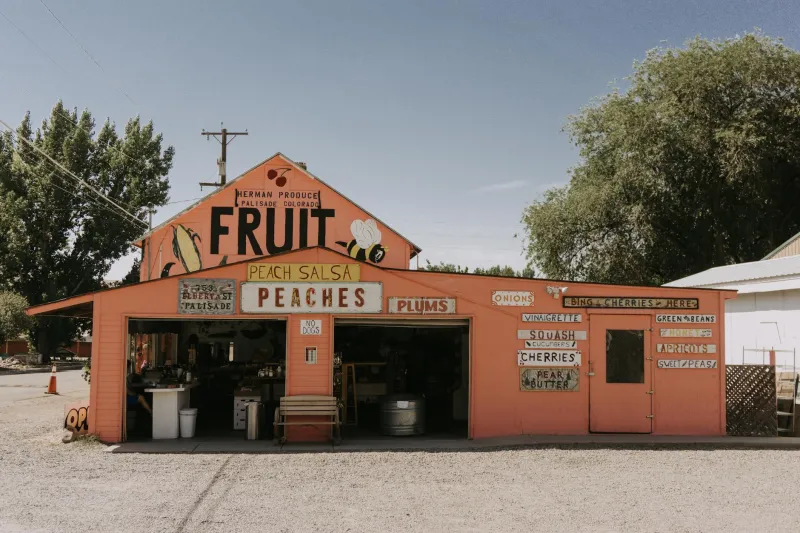
Drive any rural American highway today and you'll still spot them: weathered wooden stands selling tomatoes, peaches, and sweet corn. Most people see these as quaint throwbacks to simpler times. But dig deeper and you'll uncover one of America's most sophisticated underground economies — a cash-only network that moved fresh produce worth millions of dollars while remaining completely invisible to government statisticians and business analysts.
For nearly a century, families operating roadside stands built trading relationships that bypassed grocery chains entirely, creating a parallel food system that often delivered better quality at lower prices than anything available in stores.
The Route 66 Fruit Mafia
The golden age of roadside stands coincided with America's love affair with automobile travel. As families took cross-country road trips in the 1940s and 1950s, they discovered that the best food wasn't in restaurants — it was sitting on folding tables beside the highway.
The Kowalski family ran a produce stand outside Amarillo, Texas, for forty-seven years. Their operation looked simple: a few tables under a canvas awning, hand-painted signs advertising "Fresh Picked Today." But behind the scenes, they orchestrated a complex supply network that stretched across three states.
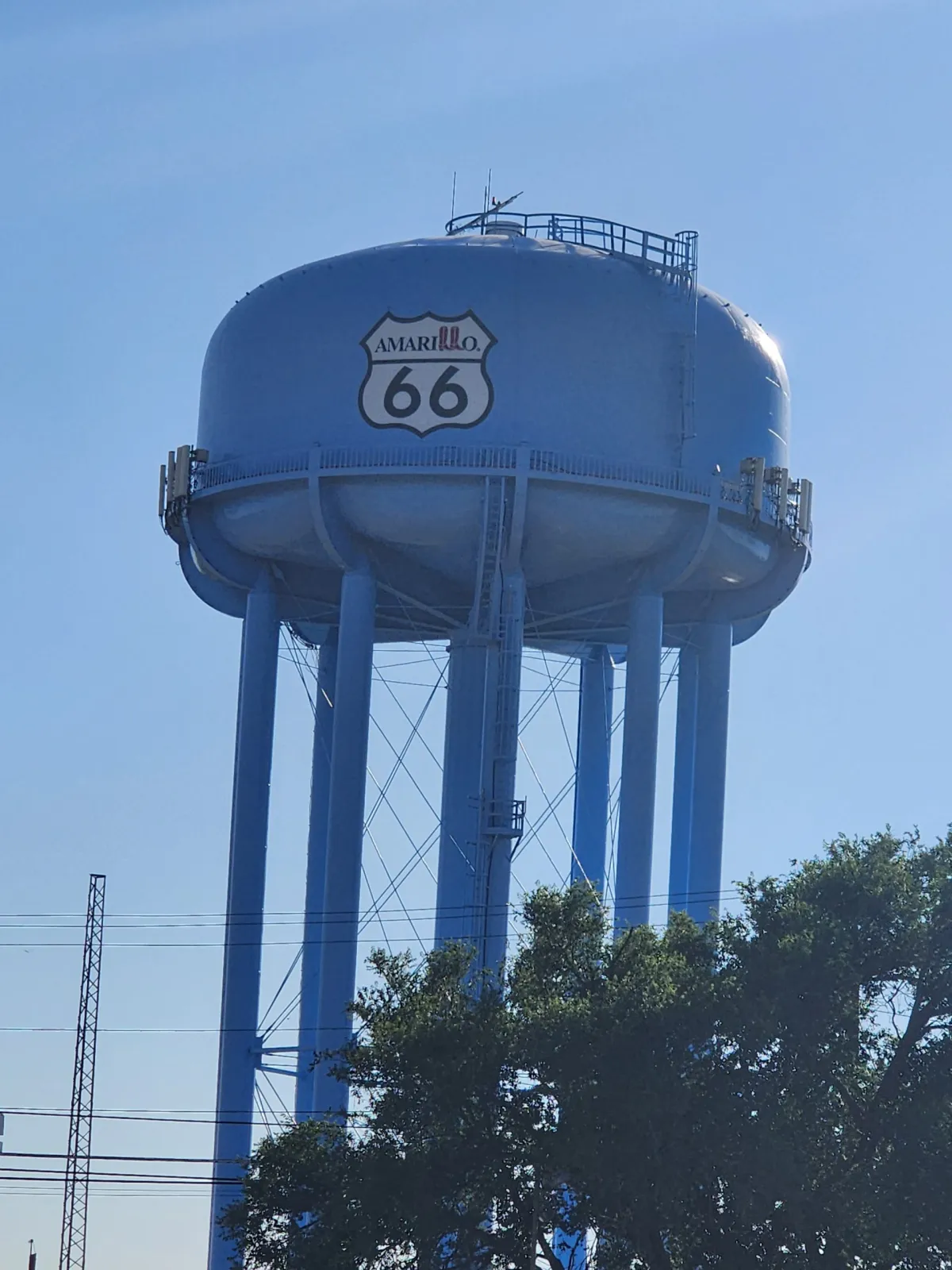 Photo: Amarillo, Texas, via route66roadrelics-wp.s3.amazonaws.com
"My grandfather had deals with farmers from Oklahoma to New Mexico," recalls Tom Kowalski, whose family sold the business in 1987. "He'd drive 200 miles to pick up specific varieties that he knew his customers wanted. No grocery store was doing that level of customization."
The Art of the Invisible Transaction
Roadside stand operators developed an intricate understanding of their customer base that would make modern data analysts jealous. They tracked seasonal migration patterns of regular travelers, memorized license plates of repeat customers, and adjusted their inventory based on weather patterns hundreds of miles away.
Most importantly, they operated entirely in cash. This wasn't tax evasion — it was practical necessity. Credit card processing didn't exist for small businesses until the 1980s, and checks were impractical for roadside transactions. The cash-only system created a parallel economy that left no digital footprint.
This invisibility was actually an advantage. Stand operators could respond instantly to market changes without the bureaucratic overhead that slowed down larger operations. If word spread that Georgia peaches were exceptional that year, a Texas stand operator could drive east, buy directly from farmers, and have premium fruit for sale within 48 hours.
Quality Control Through Reputation
Without Yelp reviews or health department ratings, roadside stands relied on something more powerful: word-of-mouth reputation among travelers. A stand that sold inferior produce wouldn't survive long on a busy highway.
This created an unusual quality control system. Stand operators became obsessive about freshness because their business model depended on repeat customers who might not return for months or years. They couldn't afford to disappoint someone who drove 300 miles based on a recommendation from another traveler.
Many operators developed signature items that became destination attractions. The Henderson family's stand in Missouri became legendary for their sweet corn, picked at dawn and sold by afternoon. Travelers would plan their cross-country trips around corn season, driving hours out of their way for a dozen ears.
The Knowledge Network
Behind the simple facade, roadside stand operators maintained sophisticated information networks. They shared intelligence about crop conditions, weather patterns, and customer preferences through informal channels that connected stands across entire regions.
Before cell phones or internet, operators used CB radios and pay phone networks to coordinate with each other. They'd warn downstream stands about approaching bad weather, share information about particularly good harvests, and even coordinate pricing to avoid destructive competition.
This collaboration extended to customer service. If a stand ran out of a popular item, operators would direct customers to nearby competitors rather than lose the sale entirely. This seemingly counterintuitive practice actually strengthened the entire network by building customer loyalty to the roadside stand concept rather than individual locations.
Why Grocery Stores Couldn't Compete
The roadside stand model offered advantages that traditional retail couldn't match. Stand operators could sell produce within hours of harvest, while grocery store produce often spent days or weeks in transit and storage. They offered varieties specifically chosen for flavor rather than shelf life or appearance.
More importantly, they provided a personal connection that grocery stores couldn't replicate. Regular customers developed relationships with stand operators that lasted decades. Travelers would stop not just for produce, but for local knowledge, directions, and conversation.
The Decline of the Highway Empire
Several factors contributed to the decline of roadside stands. Interstate highways bypassed many rural roads, reducing foot traffic. Suburban sprawl turned farmland into subdivisions. Most significantly, liability insurance and health regulations made small-scale food sales increasingly complicated.
The rise of farmers markets in the 1990s captured some of the roadside stand spirit, but in a more regulated, scheduled format. The spontaneous, always-open nature of highway stands was lost.
Lessons from the Roadside
The roadside stand economy proved that sophisticated commerce doesn't require sophisticated technology. These operators built customer loyalty, managed complex supply chains, and maintained quality standards using nothing more than personal relationships and local knowledge.
Their success challenges modern assumptions about business efficiency. While today's food system optimizes for scale and consistency, roadside stands optimized for quality and customer satisfaction. The result was often superior products at competitive prices, delivered with a level of personal service that modern retail struggles to match.
Perhaps most importantly, roadside stands demonstrated that the best food experiences often happen in the most unexpected places — not in carefully designed retail environments, but at simple tables beside the highway, where strangers become customers and customers become friends.