Why Colonial Americans Drank Beer for Breakfast — And Lived Longer Because of It
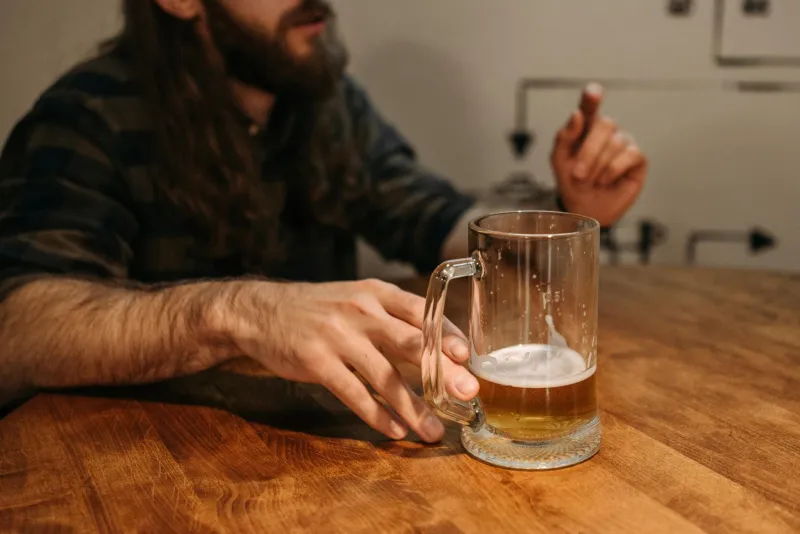
Picture this: It's 1650 in colonial Massachusetts, and a farmer sits down to breakfast with his family. The table holds porridge, bread, maybe some preserved meat — and everyone, including the children, gets a wooden mug filled with beer. Not strong beer, mind you, but a light, barely alcoholic brew that was safer to drink than the water from their well.
The Daily Drink That Wasn't About Getting Drunk
Small beer, as colonists called it, contained just 2-3% alcohol — about half the strength of today's light beers. But in a world without water treatment plants or understanding of bacteria, this weak brew served as the primary beverage for entire communities. Families consumed it morning, noon, and night, with the average person drinking several pints daily.
The logic was surprisingly sound. While colonists didn't understand germ theory, they knew from experience that people who drank small beer stayed healthier than those who relied on questionable water sources. What they couldn't see was that the brewing process — boiling the water, adding hops, and allowing fermentation — created an environment hostile to the deadly bacteria that lurked in wells, streams, and cisterns.
How Fermentation Became Colonial America's Water Filter
The brewing process worked like a primitive water purification system. First, the water was boiled during mashing, killing most harmful microorganisms. Then came the hops, which contain natural antibacterial compounds. Finally, the fermentation process produced alcohol and lowered the pH, creating conditions where dangerous pathogens couldn't survive.
Even more clever: colonial brewers often made small beer from the "second runnings" of regular beer production. After brewing a batch of full-strength beer, they'd run more hot water through the same grain, extracting whatever sugars remained. This economical approach meant families could produce their daily beverage without wasting precious grain on something stronger than they needed.
Women typically handled household brewing, passing recipes and techniques down through generations. A good small beer required skill — too weak and it wouldn't keep, too strong and it became expensive. The best brewers could create a beverage that stayed fresh for weeks while remaining light enough for children and workers to consume throughout the day.
The Surprising Health Benefits Hidden in Every Sip
Beyond basic safety, small beer delivered unexpected nutritional benefits. The brewing grains provided B vitamins, often lacking in colonial diets heavy on preserved foods. The fermentation process made these nutrients more bioavailable, essentially creating a daily vitamin supplement disguised as a beverage.
Historical records suggest that communities with consistent small beer consumption experienced fewer outbreaks of waterborne illnesses like dysentery and typhoid. Ship logs from the period show that vessels carrying small beer had healthier crews on long voyages, compared to ships that ran out and switched to questionable water sources.
Some historians argue that small beer consumption contributed to colonial population growth. In an era when infant mortality was devastatingly high, having a safe daily beverage may have given American settlements a survival advantage over communities still dependent on unsafe water.
Why America's Breakfast Beer Disappeared
The decline of small beer happened gradually throughout the 1800s. Improved well-digging techniques made cleaner water more accessible. Coffee and tea became cheaper and more widely available. Most importantly, growing cities began developing municipal water systems that provided genuinely safe drinking water for the first time in human history.
By the Civil War era, small beer had largely vanished from American tables. The temperance movement, which gained momentum in the late 1800s, viewed any alcoholic beverage with suspicion, even the weak brews that had sustained colonial families for generations.
The Modern Revival of America's Original Health Drink
Today, a handful of craft brewers are rediscovering small beer, though for different reasons than their colonial predecessors. Modern versions appeal to health-conscious consumers seeking flavorful, low-alcohol options. Some brewers market these revival brews as "session ales" or "table beers," often without mentioning their deep American roots.
The irony isn't lost on food historians: in our quest for wellness drinks and functional beverages, we've essentially reinvented something colonial Americans perfected centuries ago. They just called it breakfast.
While we're not suggesting anyone replace their morning coffee with beer, the story of small beer reveals something fascinating about human ingenuity. Faced with a life-threatening problem — unsafe drinking water — colonial Americans developed an elegant solution that kept entire communities healthy for over two centuries. Sometimes the most important innovations are the ones we drink every day without thinking twice about them.