The Lunch Pail Revolution Nobody Recorded
Walk into any modern food hall and you'll find Korean tacos, Polish pierogi sliders, and Mediterranean wraps all competing for your attention. But this multicultural food mixing didn't start with celebrity chefs or trendy restaurateurs — it began over a century ago in the grimy lunch rooms of America's industrial heartland.
Between 1880 and 1920, millions of immigrants flooded into American factories, each carrying lunch pails packed with foods from their homeland. What happened next was completely unplanned and largely undocumented: the birth of America's first true fusion food culture.
Trading Flavors on the Factory Floor
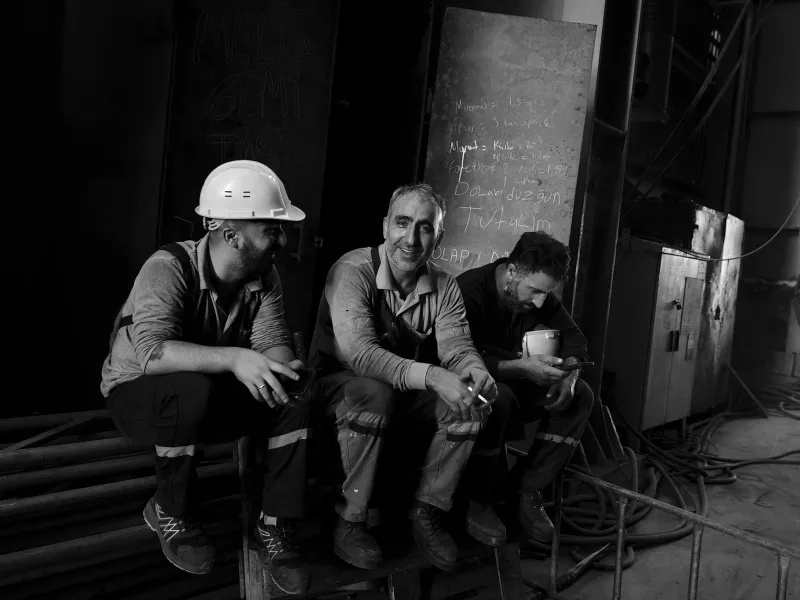
Every day at noon, workers would gather in cramped lunch rooms or outside factory gates, spreading their meals on makeshift tables. But instead of eating in isolation, something remarkable happened — they started trading.
Italian steelworkers would swap thick sandwiches of cured meats for Polish workers' potato-filled pierogi. Mexican railroad employees traded spicy tamales for German immigrants' hearty sauerkraut and sausage combinations. Lebanese textile workers shared stuffed grape leaves in exchange for Scandinavian workers' pickled fish and dense rye breads.
This wasn't just casual sharing — it became an elaborate bartering system. Workers developed sophisticated exchange rates: one tamale might equal two pierogi, or a jar of homemade pickles could buy you lunch for a week.
The Unsung Food Pioneers
While restaurant historians focus on famous chefs and landmark establishments, they've completely missed these factory lunch rooms. Here, immigrant women were quietly introducing American palates to flavors that wouldn't appear in cookbooks for another fifty years.
Maria Gonzalez, who worked at a Chicago meatpacking plant, remembers her grandmother telling stories about the "lunch trades" of the 1910s. "My great-grandmother would make extra tamales just for trading," Gonzalez explains. "She learned to make Polish cabbage rolls from a coworker, and taught her how to make proper salsa verde in return."
 Photo: Maria Gonzalez, via www.walikali.com
These exchanges weren't just about food — they were cultural diplomacy happening at ground level. Workers who couldn't speak each other's languages found common ground through shared meals. Italian seasoning techniques mixed with German preservation methods. Mexican spice knowledge combined with Eastern European fermentation skills.
Why This Matters More Than We Realized
This factory floor food culture was arguably more diverse and authentic than anything happening in restaurants of the era. While fancy establishments served watered-down "continental" cuisine to wealthy diners, working-class lunch rooms were experiencing real cultural fusion.
Food historian Dr. Rebecca Martinez has spent years tracking down surviving accounts of these lunch trades. "We have detailed records of every restaurant menu from this period, but almost nothing about what was actually the most innovative food scene in America," she notes. "These workers were creating fusion cuisine decades before anyone had a word for it."
 Photo: Dr. Rebecca Martinez, via www.poetictheater.com
The impact went beyond the factory gates. Workers brought home new recipes learned during lunch trades, gradually introducing their families to expanded flavor profiles. Children grew up eating foods from multiple cultures, creating the foundation for America's eventual embrace of international cuisine.
The End of an Era
This vibrant food culture began disappearing in the 1920s and 1930s as companies built formal cafeterias and installed vending machines. The rise of processed foods and standardized lunch options killed the need for elaborate trading networks.
World War II dealt the final blow. Many second-generation immigrants, eager to prove their American loyalty, abandoned their parents' "foreign" foods in favor of standard American fare. The knowledge of these trading networks died with the original participants.
Lessons From the Lunch Pail
Today's food scene owes more to these forgotten factory workers than anyone realizes. The casual mixing of cuisines that we now call "fusion" was pioneered by people whose names never appeared in newspapers or culinary magazines.
Their approach was refreshingly honest — no pretentious presentations or Instagram-worthy plating. Just good food shared between people trying to make their workday a little more interesting and their meals a little more flavorful.
Perhaps most importantly, these lunch pail traders proved that America's greatest food innovations don't always come from fancy kitchens or culinary schools. Sometimes they emerge from the simple human desire to share what you love with the person sitting next to you — even if you can't pronounce each other's names.