The Window That Changed Everything
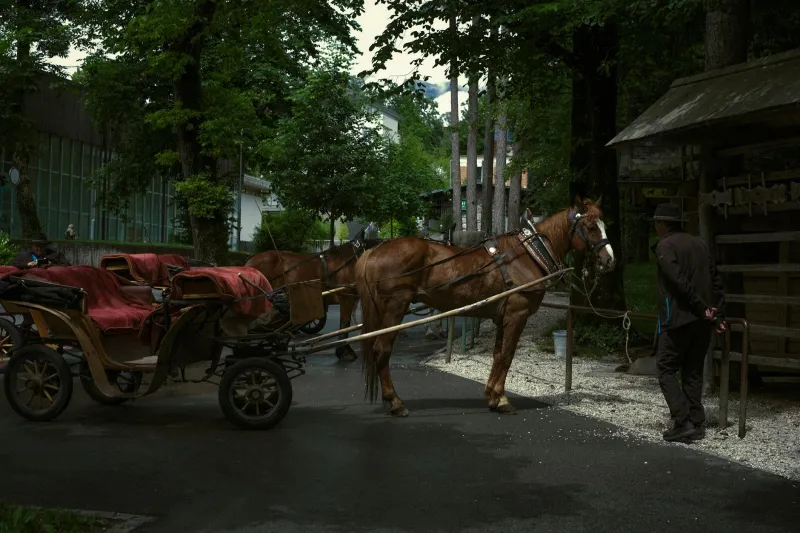
Picture this: It's 2 AM in Providence, Rhode Island, 1872. Factory workers pour out of textile mills, exhausted and hungry, with nowhere to buy hot food. Restaurants are closed. Taverns only serve drinks. Then, through the gaslight-lit streets, comes the sound of a bell and the glow of a small window — America's first takeout revolution on wheels.
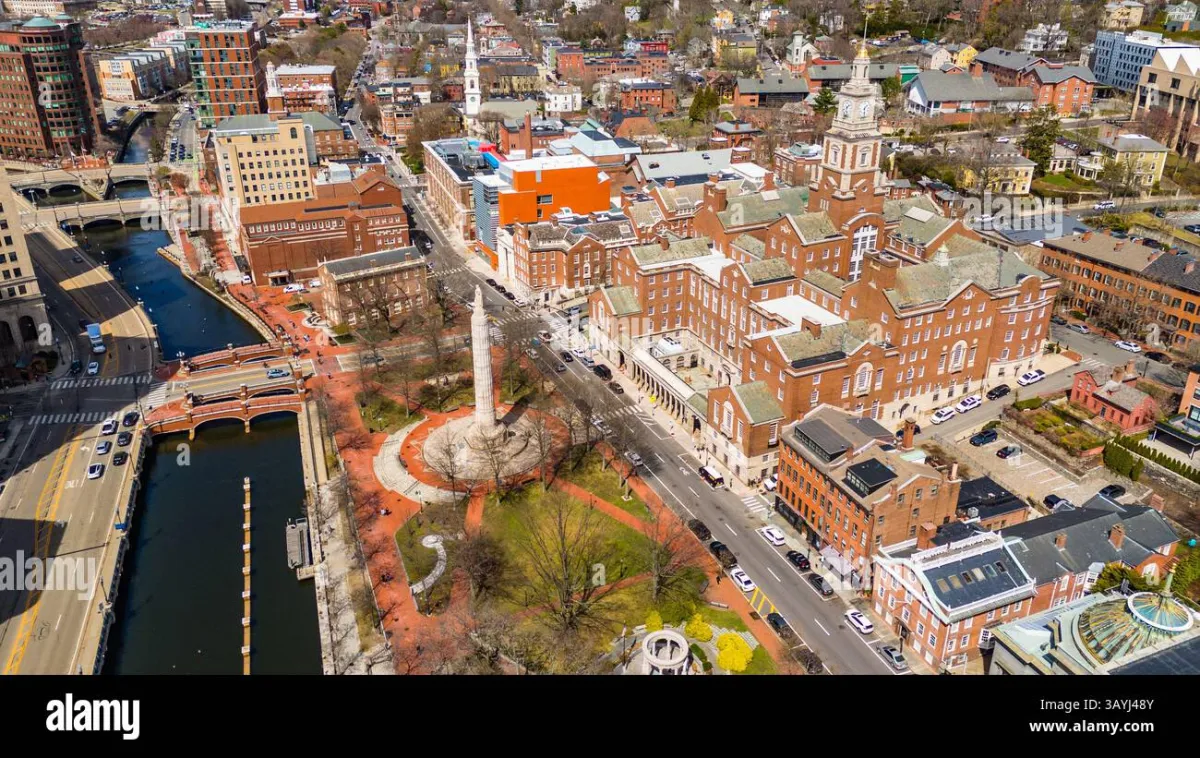 Photo: Providence, Rhode Island, via c8.alamy.com
Walter Scott, a part-time journalist and full-time entrepreneur, had just invented something that would quietly reshape American eating habits forever. His horse-drawn "night lunch wagon" featured a revolutionary design element: a small service window that let him pass hot food directly to customers standing on the street.
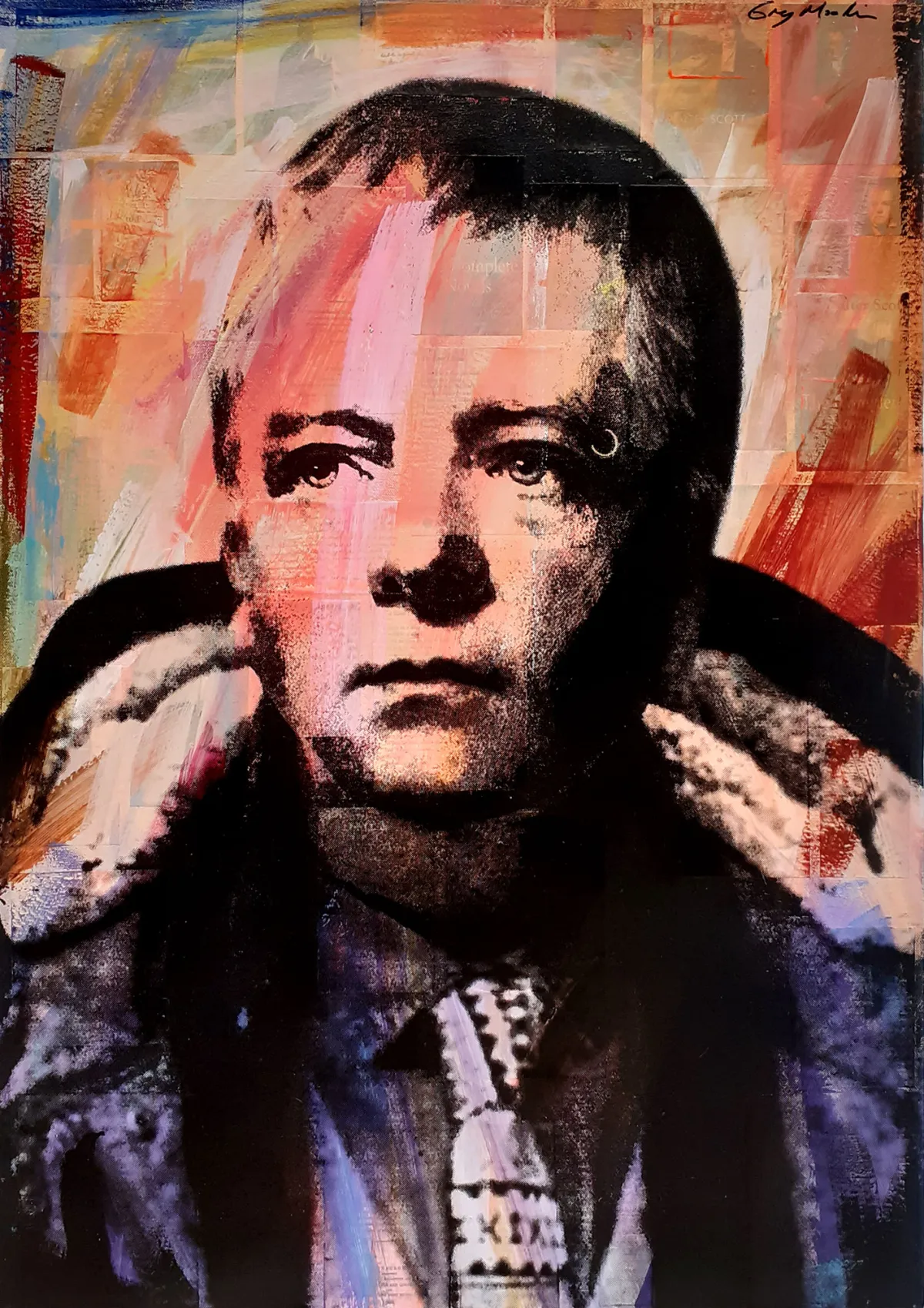 Photo: Walter Scott, via gregmoodie.com
That tiny architectural detail — the takeout window — would become the DNA of American fast food.
When Eating Out Meant Standing Out
Before lunch wagons, "restaurant" dining was formal, expensive, and time-consuming. Working people ate at home or went hungry. Scott's wagon changed the rules entirely. For 5 cents, a factory worker could get a hot ham sandwich, coffee, and a slice of pie without sitting down, dressing up, or spending an hour away from work.
The genius wasn't just the food — it was the window itself. Scott realized that hungry workers didn't want to climb into a cramped wagon interior. They wanted to grab food quickly and keep moving. The window created a new relationship between customer and kitchen: fast, anonymous, and utterly practical.
Within a decade, lunch wagons were operating in every major industrial city from Boston to Chicago. Each wagon was essentially a mobile restaurant compressed into a space smaller than most modern food trucks, serving hundreds of customers per night through windows barely two feet wide.
The Architecture of Speed
Lunch wagon builders became obsessed with window efficiency. The opening had to be large enough to pass plates through but small enough to keep heat in. The counter height needed to work for both short and tall customers. The interior layout had to let one person cook, serve, and collect payment without wasting a single motion.
These weren't random design choices — they were the first systematic study of fast food ergonomics. Wagon builders like Thomas H. Buckley in Worcester, Massachusetts, spent years perfecting window dimensions, testing different counter materials, and experimenting with order-calling systems.
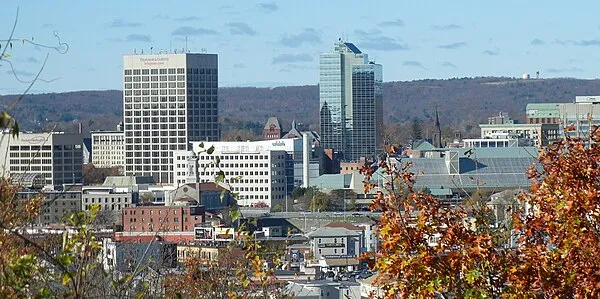 Photo: Worcester, Massachusetts, via upload.wikimedia.org
Buckley's wagons became legendary for their efficiency. A skilled operator could serve a customer every 15 seconds during rush periods — faster than many modern fast-food chains. The secret was the window workflow: customer approaches, states order, payment and food exchange happen simultaneously, customer moves on.
More Than Just a Meal
Lunch wagons created America's first 24-hour food culture. Before them, eating after 9 PM meant cooking at home or going hungry. The wagons fed night-shift workers, late-traveling salesmen, and anyone else who found themselves hungry when the rest of the world was asleep.
They also democratized restaurant dining. A factory worker and a bank president could stand side by side at a lunch wagon window, eating the same food, paying the same price. This was revolutionary in an era when most restaurants enforced strict class divisions.
The wagons developed their own culture and slang. Regular customers had "usual" orders that operators memorized. Window conversations created neighborhood networks. Some wagons became unofficial message centers where workers left notes for friends on different shifts.
The Corporate Takeover
By 1900, lunch wagon success attracted bigger players. The White Castle chain, founded in 1921, essentially scaled up the lunch wagon model into permanent buildings — but kept the crucial window element. Their original locations were tiny white buildings with prominent takeout windows that mimicked wagon service.
Other chains followed the same pattern. What we now call "fast food architecture" — small buildings, prominent windows, minimal seating — traces directly back to those horse-drawn wagons rattling through 1870s factory districts.
But something was lost in translation. The original lunch wagons were local operations run by entrepreneurs who knew their customers personally. The corporate chains standardized everything — menus, prices, service styles — eliminating the personal connection that made wagon culture special.
The Window's Legacy
Today's drive-through windows, food truck service hatches, and even delivery app interfaces all descend from Walter Scott's simple innovation. The basic transaction — approach window, state order, exchange money for food, move on — remains unchanged after 150 years.
Modern fast food executives study "customer flow optimization" and "service window efficiency" using computer models and time-motion studies. But they're essentially refining principles that lunch wagon operators figured out through trial and error in the 1870s.
Even the language persists. "Window service," "to-go orders," and "takeout" all originated in lunch wagon culture. When McDonald's advertised "billions served," they were echoing claims that lunch wagon operators made in newspaper ads 80 years earlier.
The Forgotten Pioneers
While we celebrate Ray Kroc and Colonel Sanders as fast food innovators, the real pioneers were the lunch wagon operators whose names history forgot. Men like Ruel B. Jones in Providence, Sam Jones in Worcester, and dozens of others who figured out how to feed America's industrial workforce through windows barely large enough to pass a plate.
These operators understood something profound about American life: people wanted good food fast, without fuss or ceremony. The window wasn't just a service feature — it was a philosophy that would eventually reshape how an entire nation thinks about eating.
Next time you roll up to a drive-through or order from a food truck, remember Walter Scott's lunch wagon rattling through gaslit streets in 1872. That tiny window changed everything.