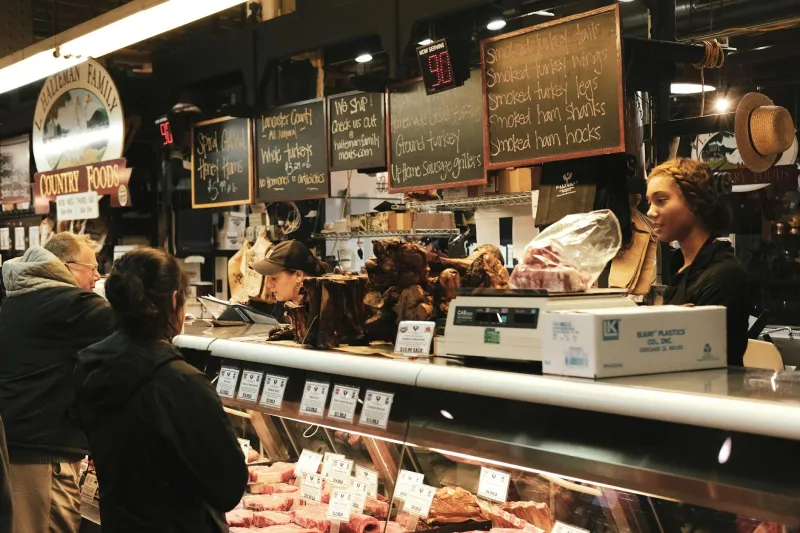
Pull into Bilbo's Grocery & Deli in Luling, Louisiana, and you might think you've made a mistake. It looks like any other rural gas station: a couple of pumps out front, beer coolers lining the walls, lottery tickets behind the counter. But walk past the motor oil display, and you'll discover something unexpected—a deli case filled with some of the best boudin, cracklins, and smoked meats you'll find anywhere in Cajun country.
Bilbo's isn't an anomaly. Across the rural South, gas stations have quietly evolved into unlikely culinary destinations, serving food that would make dedicated restaurants jealous. The phenomenon is so widespread that food tourists now plan road trips around these pump-and-pantry stops, following hand-drawn maps to places like Scott's Barbecue in Hemingway, South Carolina (located inside a Sunoco station), or The Grill at Cedar Creek in Ruston, Louisiana (attached to an Exxon).
The Accidental Restaurant Revolution
How did gas stations become restaurants? The answer lies in the peculiar economics of rural Southern communities, where traditional restaurants often couldn't survive but gas stations provided a built-in customer base that made food service viable.
"We started selling sandwiches because people kept asking for them," explains Bobby Bilbo, whose family has run their Luling station since 1952. "Folks would come in for gas and cigarettes, and they'd say, 'Y'all got anything to eat?' So my mama started making po' boys. Then boudin. Pretty soon we had a whole kitchen going."
This wasn't a business plan—it was organic evolution driven by necessity. In small towns where the nearest restaurant might be twenty miles away, gas stations filled the gap by offering food that reflected local tastes and traditions. Unlike chain restaurants that had to appeal to broad regional preferences, these stations could focus on hyperlocal specialties that their regular customers actually wanted.
The Freedom of Low Expectations
What makes gas station food so surprisingly good is the same thing that makes it seem unlikely: nobody expects much from it. This freedom from formal dining expectations allowed these places to focus entirely on the food itself, without worrying about ambiance, service style, or marketing.
At Johnson's Boucaniere in Lafayette, Louisiana (inside a Shell station), pitmaster Greg Johnson smokes brisket and ribs using the same techniques his grandfather learned working sugar plantations in the 1940s. There are no white tablecloths, no wine list, no Instagram-worthy plating—just perfectly smoked meat served on butcher paper with a side of cracklins that locals drive thirty minutes to buy.
"I don't have to worry about atmosphere or fancy presentations," Johnson explains. "People come here for the meat. Either it's good or it's not. There's nowhere to hide behind fancy sauces or pretty plates."
The Grandmother Network Effect
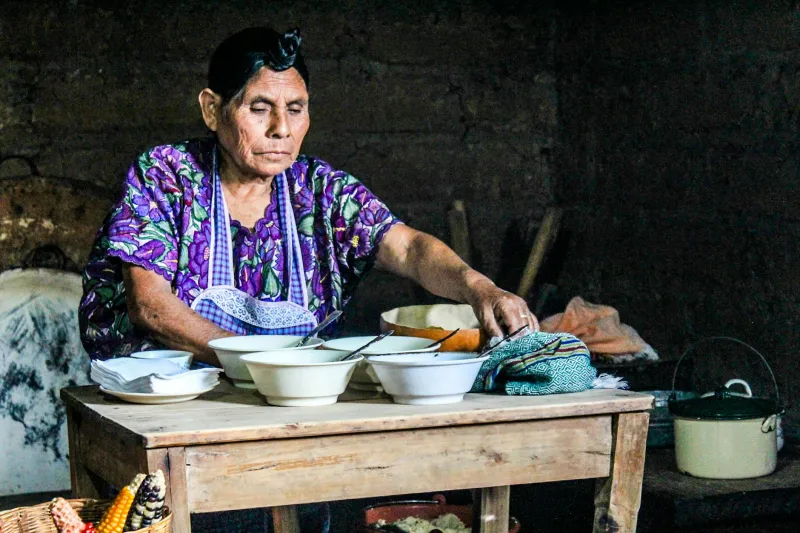
Many of these gas station kitchens started with a simple advantage: they were run by women who already knew how to cook traditional Southern food exceptionally well. When economic necessity forced them to start selling that food, they brought decades of home cooking experience to their commercial kitchens.
Donna's Place in Thibodaux, Louisiana, started when Donna Boudreaux began selling her homemade gumbo to truckers who stopped for diesel. Her recipe came from her grandmother, who had learned it from her grandmother—a direct line of culinary knowledge that no culinary school could replicate.
"I was just cooking the same way I always cooked for my family," Boudreaux recalls. "But when you're making gumbo for truckers who eat at truck stops all across the country, you better make it right. They know good food when they taste it."
This grandmother network effect explains why so many gas station specialties—boudin, cracklins, smoked meats, homemade pies—represent the most authentic versions of traditional Southern foods. These weren't interpretations or restaurant versions of home cooking; they were actual home cooking scaled up for commercial sale.
The Supply Chain Advantage
Gas stations also had an unexpected advantage in sourcing ingredients: they were already part of distribution networks that served rural communities. Many had relationships with local farmers, hunters, and food producers that restaurants in town centers couldn't access.
At Guidry's Country Store in Scott, Louisiana, the boudin is made with rice grown on farms within ten miles of the station, and the pork comes from a processing plant that's been serving local farmers for forty years. This hyperlocal sourcing creates flavors that reflect the specific terroir of their communities in ways that even farm-to-table restaurants struggle to achieve.
"We buy our pork from the same people our customers buy from," explains owner Paul Guidry. "It's not fancy, but it's exactly what pork is supposed to taste like around here."
The Authenticity of Necessity
What distinguishes these gas station kitchens from both fast food and fine dining is their complete lack of pretension. They exist because their communities needed them, not because someone had a restaurant concept or wanted to showcase culinary creativity.
This authenticity of necessity creates a different relationship between cook and customer. At places like Jacob's World Famous Andouille in LaPlace, Louisiana (yes, it's in a gas station), customers aren't dining—they're participating in a local food tradition that happens to be commercially available.
The result is food that tastes like it was made for the people eating it, because it literally was. These aren't tourist destinations trying to represent Southern cuisine for outsiders; they're community kitchens that happen to welcome strangers.
The Quiet Revolution
As food tourism has grown and social media has made these hidden gems more discoverable, gas station food has started getting the recognition it deserves. Food Network shows now regularly feature these unlikely restaurants, and James Beard Award winners make pilgrimages to places like Scott's Barbecue for inspiration.
But the attention hasn't changed the fundamental character of these places. They're still primarily serving their local communities, still focused on the food rather than the experience, still operating with the practical constraints and freedoms that made them special in the first place.
Visit enough of these gas station restaurants, and you start to understand something important about American food culture: sometimes the best food happens not because someone set out to create a restaurant, but because a community needed to eat and someone stepped up to feed them. In the rural South, that someone often happened to own a gas station.
The result is a network of accidental restaurants that serve some of the most honest, unpretentious, and delicious food in America—one tank of gas at a time.