Rolling Restaurants on Impossible Budgets
Picture this: you're responsible for feeding 200 passengers three meals a day for four days straight, using a kitchen smaller than most modern bathrooms, with no opportunity to restock ingredients, and a food budget of exactly one dollar per person per day. Welcome to the daily reality of early 20th-century railroad dining car chefs.
These culinary magicians didn't just feed America's travelers — they revolutionized how we think about efficient cooking, portion control, and flavor maximization. Their techniques were so effective that modern meal-prep enthusiasts are unknowingly copying methods perfected in swaying train cars a century ago.
The Unsung Heroes of the Rails
Most dining car chefs were Black men, part of a Pullman Company workforce that represented one of the largest employers of African Americans in the early 1900s. Despite facing discrimination in broader society, these professionals commanded respect in their domain — the cramped but efficiently designed dining car galley.
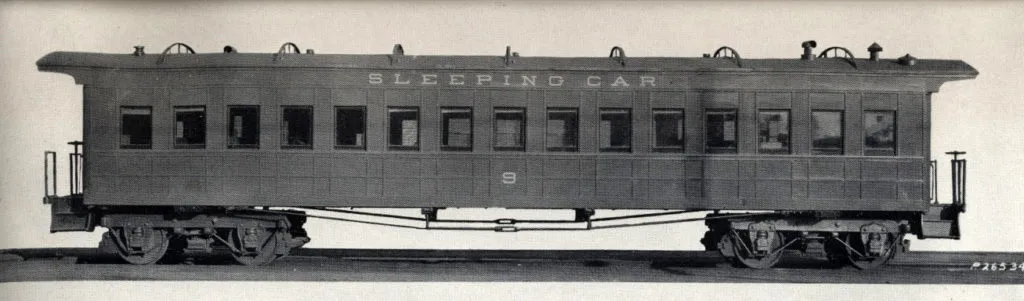 Photo: Pullman Company, via worldwiderails.com
These chefs developed reputations that extended far beyond the railroad industry. Passengers would specifically book trains based on which chef was working the dining car that week. Some became minor celebrities, with regular customers who planned entire trips around experiencing their signature dishes.
Master Class in Resource Management
The secret to dining car success lay in what chefs called "ingredient multiplication" — techniques that stretched a single purchase across multiple meals and flavor profiles. A whole chicken, for example, might appear as roasted breast for dinner, chicken salad for lunch the next day, and rich broth for soup by evening.
Chefs learned to think in layers. Vegetable trimmings became stocks. Meat drippings transformed into gravies. Even coffee grounds found second lives as tenderizing rubs for tough cuts of meat. Nothing was wasted because waste meant hungry passengers and angry railroad executives.
The most skilled practitioners could create the illusion of variety while using remarkably few base ingredients. A typical four-day journey might feature twelve different entrées, all built from perhaps six core components combined and recombined with different seasonings, cooking methods, and presentations.
Techniques That Changed American Cooking
Railroad chefs pioneered what we now call "batch cooking" and "component preparation." They would prepare large quantities of versatile base ingredients — seasoned ground meat, flavored rice, roasted vegetables — then combine them in different ways throughout the journey.
This approach required incredible planning skills. Chefs had to map out every meal before departure, calculating exactly how much of each ingredient they'd need and in what form. They carried detailed notebooks tracking which combinations worked best, passenger preferences, and seasonal variations in ingredient quality.
The portion control techniques developed in dining cars influenced restaurant practices nationwide. Chefs learned to create satisfying plates using specific ratios of protein, starch, and vegetables that maximized perceived value while controlling costs. These ratios, refined over decades of practice, became industry standards.
Innovation Born from Necessity
The constantly moving kitchen environment forced chefs to develop cooking methods that remained effective despite swaying cars and unpredictable schedules. They perfected one-pot meals that could simmer safely for hours, developed techniques for keeping food warm without overcooking, and created presentation styles that looked elegant even when served on moving trains.
Many signature dishes emerged from these constraints. "Railroad cake" — a dense, moist dessert that traveled well and stayed fresh for days — became a nationwide favorite. "Dining car hash" combined leftovers so skillfully that passengers often requested it specifically.
The famous "blue plate special" concept originated in dining cars, where chefs would create daily combinations of their most successful ingredient pairings, served on the railroad's distinctive blue-rimmed china.
Legacy in Modern Kitchens
Today's meal-prep enthusiasts unknowingly follow railroad chef principles: prepare versatile base ingredients in large batches, combine them in different ways throughout the week, and focus on techniques that maintain quality over time.
Restaurant chains studying efficiency often rediscover methods pioneered in dining cars. The concept of "central preparation with local assembly" — now common in fast-casual restaurants — mirrors exactly how railroad chefs managed their mobile kitchens.
Even modern airline catering, despite its poor reputation, uses organizational principles developed by dining car chefs. The difference lies in execution and the constraints: railroad chefs had tiny budgets but complete creative control, while airline caterers have larger budgets but must prioritize safety and standardization over flavor.
The End of an Era
The golden age of railroad dining ended with the rise of air travel and interstate highways. By the 1960s, most long-distance trains had eliminated dining cars in favor of cheaper alternatives. The institutional knowledge accumulated by generations of skilled chefs largely disappeared with them.
Some techniques survived in family recipes and regional restaurant traditions, particularly in communities where retired railroad workers settled. But the systematic approach to efficient, high-quality cooking on minimal budgets was largely forgotten.
Rediscovering Railroad Wisdom
As modern consumers seek ways to eat well on tight budgets and busy schedules, railroad chef techniques offer practical solutions. Their emphasis on ingredient versatility, advance planning, and flavor layering addresses exactly the challenges facing today's home cooks.
Several culinary schools now include railroad cooking history in their curriculum, recognizing these forgotten masters as pioneers of efficient kitchen management. Their legacy lives on not in famous restaurants or cookbook collections, but in the practical wisdom of making every ingredient count.
The next time you batch-cook ingredients for the week ahead, remember the railroad chefs who perfected these techniques while feeding America's travelers one perfectly portioned meal at a time.
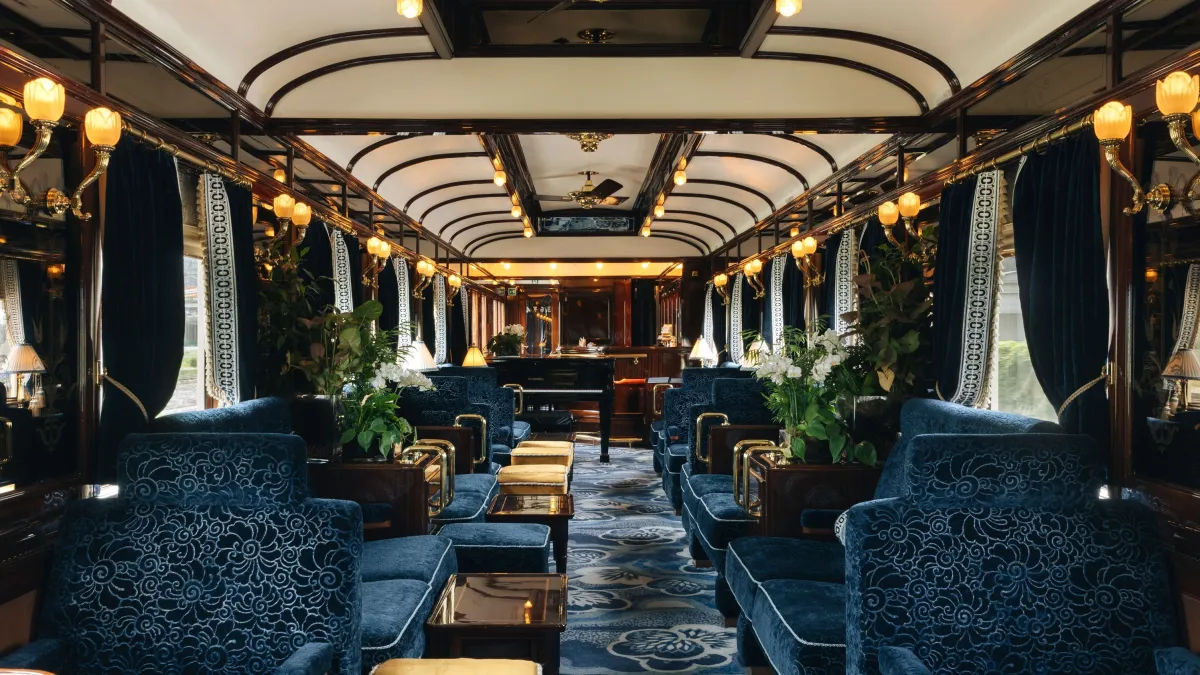 Photo: Orient Express, via media.cntraveler.com