The Rolling Restaurants That Fed America's Night Shift Before Diners Were Even a Thing
Walk into any classic American diner today — the kind with red vinyl booths, endless coffee refills, and a grill visible from your seat — and you're experiencing something that started not in a building, but on four wheels, rolling through darkened city streets more than 150 years ago.
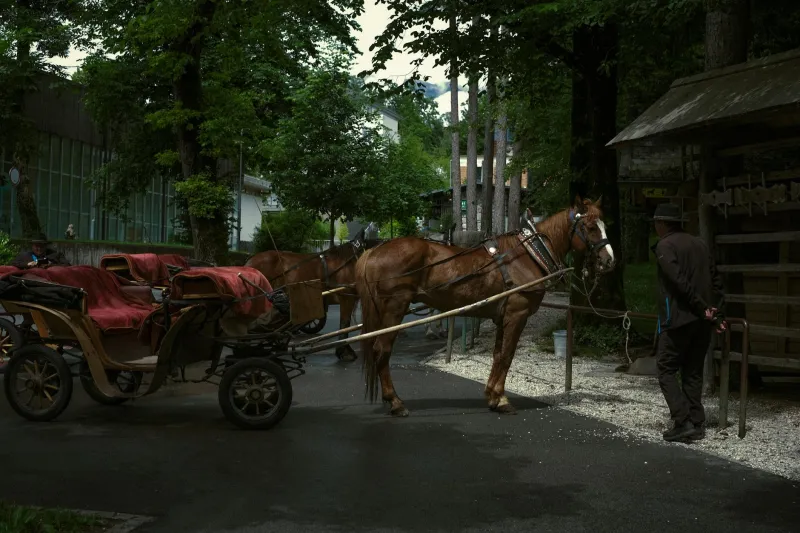
Long before the first chrome-sided diner appeared along Route 66, an entirely different kind of mobile restaurant was quietly writing the rulebook for American casual dining. These weren't food trucks as we know them today. They were something far more ingenious: horse-drawn lunch wagons that prowled city streets after midnight, feeding the workers that kept industrial America running while everyone else slept.
When the City Never Slept (But Restaurants Did)
In the 1870s, American cities faced a peculiar problem. Factory work, newspaper printing, and dock labor increasingly happened around the clock, but restaurants? They closed at sunset like they had for centuries. Night shift workers — printers setting type for morning newspapers, stevedores unloading ships, factory hands tending furnaces — found themselves in a food desert every evening.
Enter Walter Scott, a Providence, Rhode Island entrepreneur who spotted an opportunity hiding in plain sight. In 1872, Scott hitched a simple wagon to his horse, loaded it with sandwiches, pies, and coffee, and began making rounds to late-night work sites. His timing was perfect, his prices were fair, and his customers were grateful.
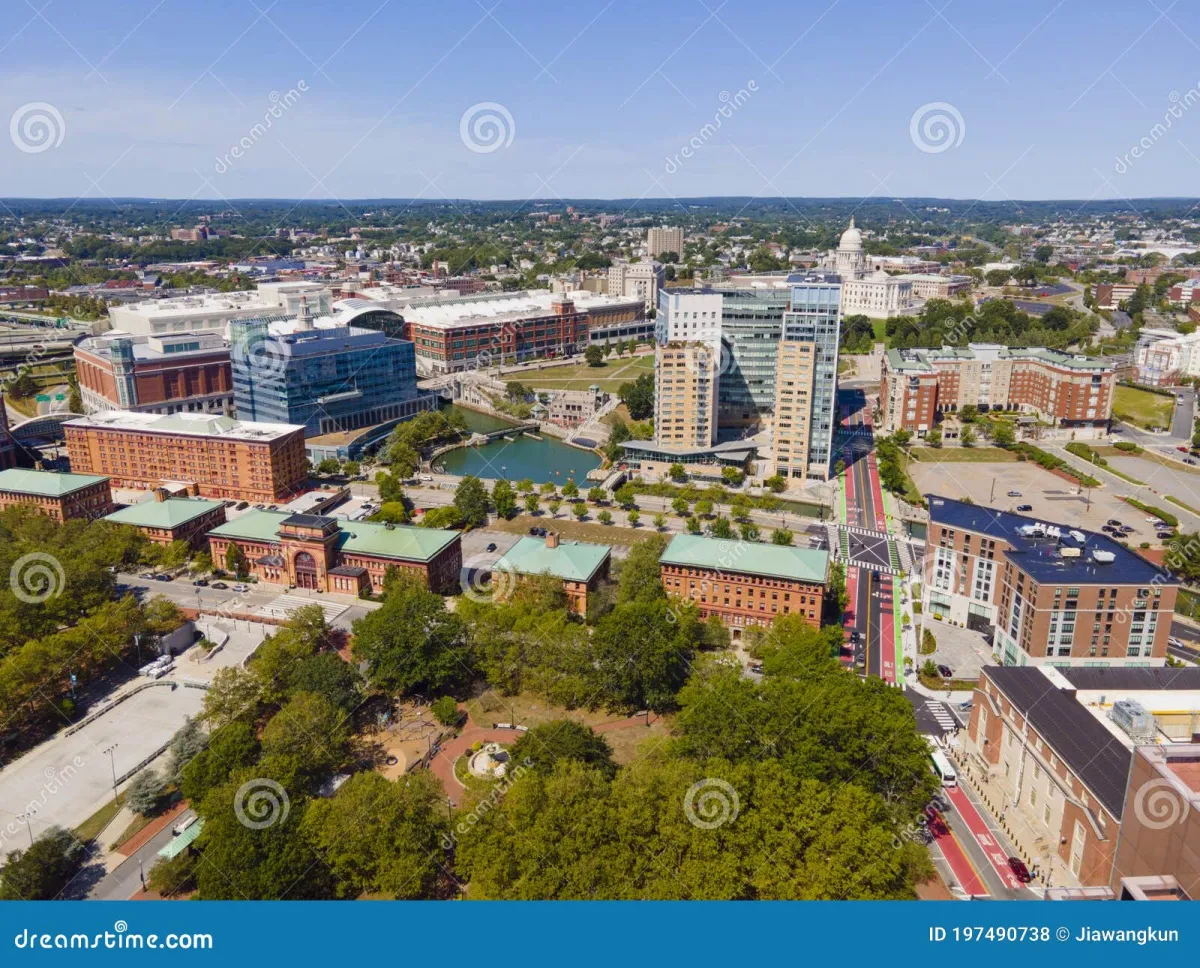 Photo: Providence, Rhode Island, via thumbs.dreamstime.com
 Photo: Walter Scott, via www.trinhall.cam.ac.uk
But Scott's real innovation wasn't the mobile kitchen itself — it was understanding that night workers needed more than just food. They needed a place to sit, socialize, and decompress after grueling shifts. So he designed his wagon with a small counter where customers could stand, eat, and chat. Sound familiar?
The Midnight Economy Nobody Talks About
Within a decade, lunch wagons had spread to every major industrial city on the East Coast. These weren't random vendors — they were sophisticated operations with regular routes, loyal customer bases, and surprisingly diverse menus. Some specialized in hot roast beef sandwiches. Others became known for their coffee or their late-night breakfast offerings.
The wagons developed their own culture and etiquette. Customers knew which wagon would be where at what time. Regulars had their usual orders. Night shift supervisors would sometimes arrange for wagons to visit work sites at specific break times. It was a parallel restaurant industry that operated entirely in the shadows of conventional dining.
What's remarkable is how quickly these mobile kitchens evolved sophisticated systems that modern restaurants still use. They pioneered the concept of fast preparation — everything had to be ready quickly because customers were on limited break time. They perfected the art of limited but versatile menus — a small wagon could only carry so much, so every item had to earn its space. They even developed early versions of what we'd now call customer loyalty programs, with regular customers getting slightly larger portions or first dibs on popular items.
From Wheels to Walls
The transition from mobile lunch wagons to stationary diners happened gradually, then suddenly. As cities grew and night work became more concentrated in specific districts, some wagon operators found it made more sense to park permanently in high-traffic spots rather than constantly moving.
These stationary wagons became the first diners, though nobody called them that yet. Operators began adding small additions — a few stools, expanded counters, eventually small dining rooms. The basic template remained the same: fast service, affordable prices, simple but satisfying food, and a welcoming atmosphere for working-class customers.
By the 1890s, companies were manufacturing purpose-built dining cars that looked nothing like the humble lunch wagons that had started it all. These new diners were shipped by rail to locations across the country, carrying with them the operational DNA that had been perfected on Providence's midnight streets two decades earlier.
The Blueprint That Built an Industry
Every element of classic diner culture traces back to those original lunch wagons. The visible kitchen? Night shift workers wanted to see their food being prepared — partly for quality assurance, partly for entertainment during their brief breaks. The emphasis on coffee? Essential fuel for people working through the night. The hearty, no-nonsense portions? Manual laborers needed substantial meals to sustain them through physical work.
Even the social function of diners — as gathering places for people who felt overlooked by mainstream society — began with those midnight lunch wagons serving workers that daytime restaurants ignored.
Today, when you slide into a diner booth at 2 AM and order coffee and pie from someone who's clearly seen it all, you're participating in a ritual that began with Walter Scott's horse and wagon making rounds through Providence's industrial district 150 years ago. The chrome and neon are different, but the essential transaction — good food, fair prices, and human connection during society's off hours — remains exactly the same.
The next time you spot a classic diner, remember: you're looking at the descendant of America's first food trucks, born not from culinary ambition but from the simple recognition that hungry people don't stop being hungry just because the sun goes down.