Walk into any American kitchen today and you'll find the same predictable spice rack: oregano from McCormick, garlic powder from Lawry's, maybe some red pepper flakes if you're feeling adventurous. But flip through a cookbook from 1840s New England, and you'll discover something remarkable—recipes calling for long pepper from Java, grains of paradise from West Africa, and sumac from Turkish hillsides.
How did ordinary American home cooks get access to spices that most modern chefs have never heard of?
The Apothecary-Sailor Alliance
The answer lies in an unlikely partnership between two groups: New England's merchant sailors and the neighborhood apothecaries who doubled as spice merchants. While Salem's famous China Trade gets most of the historical attention, a quieter network of smaller ships was bringing back cargo holds packed with aromatic treasures that never made it into the official trade records.
Captain Josiah Blackwood of Marblehead kept detailed logs from his spice-hunting voyages in the 1830s. His ship, the Prudence, made regular runs to Zanzibar, Ceylon, and the Moluccas—not for the headline-grabbing quantities of pepper and cinnamon that filled the big merchant houses, but for small batches of unusual spices that he'd sell directly to apothecaries in coastal towns from Maine to Connecticut.
"We'd bring back maybe fifty pounds of long pepper, twenty pounds of grains of paradise, some dried sumac berries," Blackwood wrote. "Mr. Hartwell at the apothecary would buy the lot and have it sold within a month to the ladies who knew their cooking."
The Neighborhood Flavor Labs
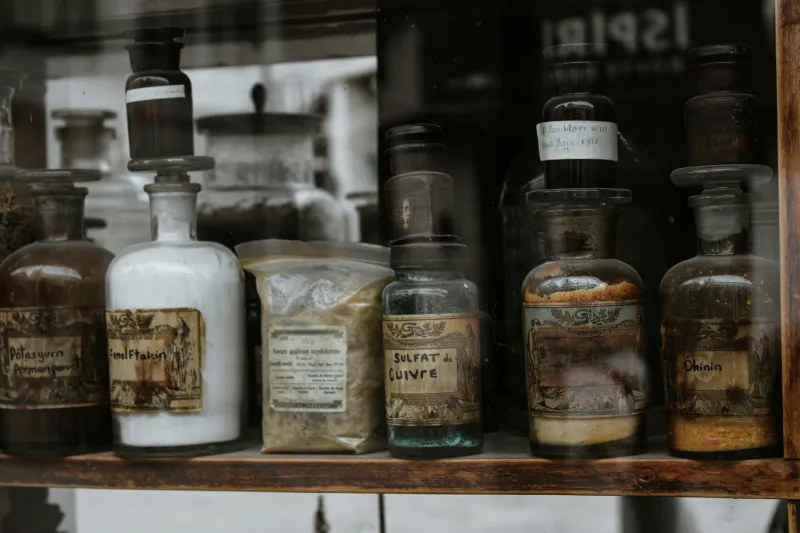
These apothecaries weren't just selling spices—they were creating custom blends that would make a modern spice merchant weep with envy. Using their knowledge of medicinal herbs and their access to exotic imports, they developed signature mixtures that turned ordinary New England kitchens into experimental flavor laboratories.
Take the "Cambridge Mixture" popular around Boston in the 1850s: a blend of mace, cardamom, dried orange peel, and grains of paradise that home cooks used to transform simple roasted chicken into something that wouldn't be out of place in a modern Middle Eastern restaurant. Or the "Marblehead Fish Spice"—sumac, dried barberries, and fennel pollen that fishing families used to brighten up their daily catch.
These weren't expensive luxury items. Account books from Hartwell's Apothecary in Salem show that a quarter-pound of custom spice blend cost about the same as a pound of coffee—accessible to any household that could afford to cook with more than just salt and pepper.
The Knowledge Keepers
What made this system work wasn't just the supply chain—it was the knowledge network. Apothecaries served as culinary consultants, teaching customers how to use unfamiliar spices and creating recipe cards for their custom blends. Many kept detailed notes about which combinations worked best for different dishes, essentially functioning as the food blogs of their era.
Mrs. Abigail Peabody's recipe collection, preserved in the Essex Institute, includes detailed instructions for using long pepper ("sharper than black pepper, excellent with lamb"), grains of paradise ("warming, perfect for apple desserts"), and sumac ("tart like lemon, but deeper—transforms any fish").
The apothecaries also served as cultural translators, adapting traditional spice uses from their sources to New England tastes. They'd learn from sailors about how cardamom was used in Arab coffee culture, then develop recipes for cardamom-spiced Indian pudding that became neighborhood favorites.
The Great Flattening
This rich, diverse spice culture began disappearing in the 1870s, killed not by lack of demand but by the rise of industrial food companies that prioritized consistency over complexity. When companies like Durkee and later McCormick began mass-producing standardized spice blends, they couldn't scale the artisanal knowledge that made the apothecary system work.
The new industrial players focused on a handful of spices that were easy to source in large quantities and had broad appeal: black pepper, oregano, garlic powder, and paprika. Exotic spices that required specialized knowledge to use properly got pushed aside in favor of familiar flavors that wouldn't confuse customers.
By 1900, most neighborhood apothecaries had stopped carrying specialty spices entirely, and the merchant sailors who supplied them had moved on to more profitable cargo. The last of the old-style spice merchants, Cornelius Whitman of Newburyport, closed his doors in 1923, taking with him recipes for seventeen different custom blends that had been neighborhood staples for over fifty years.
What We Lost
Looking back through these old recipe collections and apothecary records, it's striking how much more adventurous everyday American cooking was before the spice industry got standardized. Home cooks routinely used flavor combinations that modern Americans would consider exotic—and they had neighborhood experts to guide them through unfamiliar territory.
Today's artisanal spice companies like Burlap & Barrel and Diaspora Co. are essentially trying to recreate what those New England apothecaries built 150 years ago: direct relationships with spice growers, small-batch sourcing, and the kind of detailed knowledge about origins and uses that helps home cooks expand their flavor vocabularies.
The difference is that what was once neighborhood-scale and accessible has become boutique and expensive. Those Salem sea captains and corner apothecaries proved that extraordinary flavors don't have to be luxury items—they just need curious cooks and knowledgeable guides willing to share what they know.