The Flavor That Built a Continent
Walk through any American spice cabinet today and you'll find black pepper, garlic powder, maybe some oregano. But for the first two centuries of European settlement, the most prized seasoning in American cooking came from a plant most people today would mistake for a weed growing in coastal swamps.
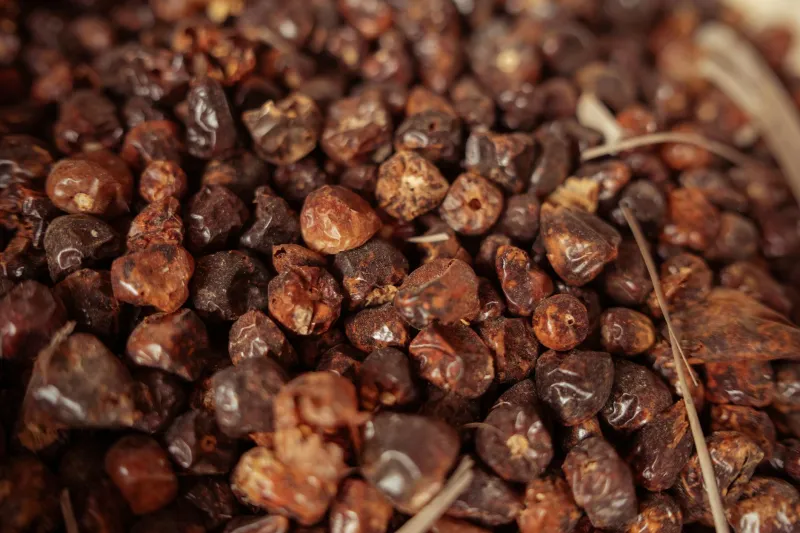
Spicebush — Lindera benzoin to botanists, "wild allspice" to colonial cooks — was the secret weapon in American kitchens from Georgia to Maine. Its dried berries delivered a complex flavor that combined black pepper's heat, allspice's warmth, and lemon's brightness in a way that no imported spice could match.
This wasn't just another herb. Spicebush was America's first signature flavor, and its story reveals how geography once determined what an entire continent tasted like.
When Swamps Were Spice Gardens
Spicebush thrived in the damp, shaded areas that early settlers initially avoided — creek bottoms, wetland edges, and the understory of hardwood forests from Florida to southern Canada. Native American communities had been harvesting its berries for centuries, using them to season meat, flavor teas, and create medicinal preparations.
European colonists discovered spicebush through indigenous trading partners and quickly realized they'd found something extraordinary. Unlike black pepper, which cost a fortune and took months to ship from Asia, spicebush grew wild practically everywhere east of the Mississippi River.
The timing was perfect. Colonial cooks desperately needed strong flavors to make preserved meat palatable, mask the taste of foods going bad without refrigeration, and add complexity to the limited ingredients available in frontier settlements. Spicebush delivered all of this while growing literally in their backyards.
The Spice That Tasted Like Home
By the 1750s, spicebush had become as essential to American cooking as salt. Colonial housewives dried the berries in autumn, ground them through the winter, and used the powder to season everything from stews to desserts. Recipes from the period mention "wild pepper" or "American allspice" in dishes ranging from pumpkin puddings to venison roasts.
The flavor was distinctly American — brighter and more complex than European spices, with a citrusy note that complemented corn, squash, beans, and other New World ingredients. Food historians believe spicebush helped create the first uniquely American flavor profile, distinct from both European and Native American traditions.
Commercial spicebush harvesting became a legitimate industry. Families in rural areas supplemented their income by collecting berries from wild patches and selling them to general stores in nearby towns. Some entrepreneurs established "spicebush farms" by encouraging wild plants to spread in managed forest areas.
The Science of Swamp Spice
Modern analysis reveals why colonial cooks prized spicebush so highly. The berries contain high levels of compounds called benzofurans, which create complex aromatic profiles that change as they hit different taste receptors. The initial sensation is peppery heat, followed by warm spice notes, finishing with bright citrus undertones.
This chemical complexity made spicebush incredibly versatile. It worked equally well in sweet applications (colonial "spice cakes" often meant spicebush cakes) and savory dishes. The essential oils were stable enough to survive long cooking times but bright enough to finish delicate preparations.
Unlike many wild plants, spicebush berries actually improved with proper drying and aging. Properly stored spicebush powder could maintain its potency for years, making it ideal for frontier conditions where fresh spices were unavailable.
When Global Trade Changed Everything
The beginning of the end came in the 1820s, when improved shipping routes made imported spices cheaper and more reliable. Black pepper, which had once been literally worth its weight in silver, became affordable for middle-class households.
The psychological shift was as important as the economic one. As America grew more connected to global markets, "exotic" imported spices began to seem more sophisticated than local alternatives. Spicebush started to feel provincial, even backward — a reminder of frontier hardship rather than culinary achievement.
Cookbook authors accelerated the transition. Influential writers like Amelia Simmons and Mary Randolph began recommending imported spices over local alternatives in their recipes. By the 1850s, most published American recipes called for black pepper, imported allspice, or other "civilized" seasonings.
 Photo: Amelia Simmons, via d20ohkaloyme4g.cloudfront.net
The Great Forgetting
The Civil War dealt spicebush its final blow. The conflict disrupted traditional harvesting patterns, scattered rural communities, and created a generation of cooks who learned to use only imported spices. When peace returned, food distribution systems had changed completely — general stores stocked commercial spices shipped by rail rather than local products gathered from nearby forests.
Within a single generation, spicebush went from essential to extinct in American kitchens. The plant itself survived — it still grows wild throughout its original range — but the knowledge of how to harvest, prepare, and cook with it disappeared from mainstream culture.
By 1900, most Americans had never heard of spicebush. Cookbooks that mentioned it at all described it as a quaint historical curiosity, something their grandmothers might have used "in the old days."
What We Lost in the Swamps
The disappearance of spicebush represents more than just a shift in seasoning preferences. It marked the moment when American cooking began prioritizing convenience and standardization over local distinctiveness and seasonal availability.
Modern chefs who rediscover spicebush are amazed by its complexity and versatility. Dan Barber, chef at Blue Hill, describes it as "the most sophisticated wild spice in North America — more interesting than anything you can buy in a store." Several high-end restaurants now forage spicebush or work with specialty suppliers to source it.
 Photo: Blue Hill, via cdn-assets.alltrails.com
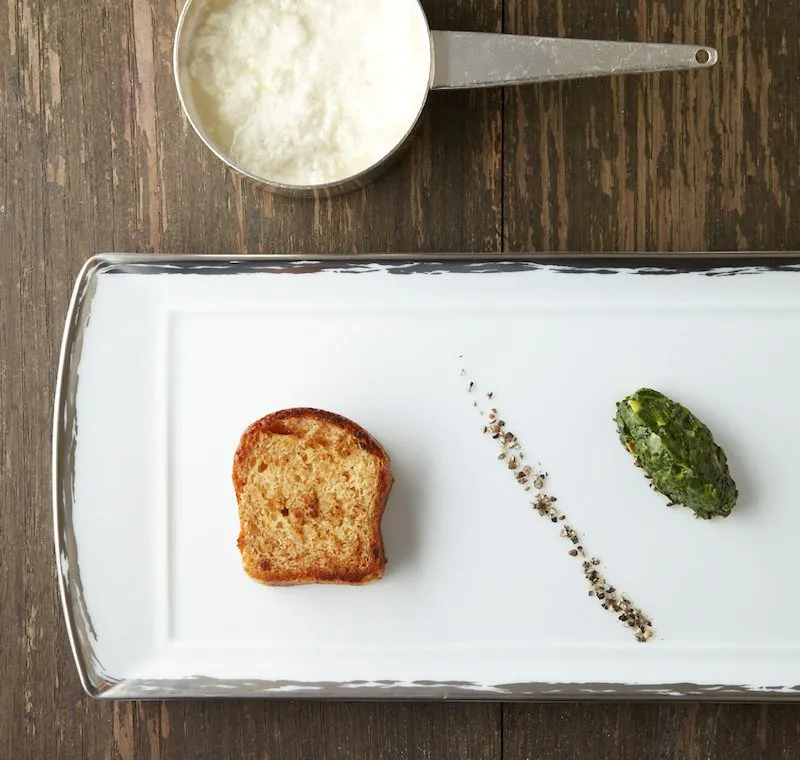 Photo: Dan Barber, via the-talks.com
But the infrastructure for widespread spicebush use — the knowledge of when and how to harvest it, the techniques for processing and storing it, the recipes that showcase its unique properties — largely vanished with the last generation of cooks who grew up using it.
The Flavor That Might Return
Today, a small but growing movement of foragers, chefs, and food historians is working to reintroduce spicebush to American kitchens. Wild food enthusiasts share harvesting locations online. Specialty food companies sell dried spicebush berries to curious cooks. Some botanical gardens and native plant societies are promoting spicebush cultivation.
The question is whether modern Americans will develop a taste for their ancestors' favorite spice. Spicebush doesn't taste like anything else in today's spice cabinet — it's simultaneously familiar and exotic, comforting and challenging.
Perhaps that's exactly what American cooking needs: a reminder that the most distinctive flavors often come from the places we least expect to find them, growing wild in the forgotten corners of the landscape our ancestors called home.