No Menu, No Yelp Page, No Address — Just the Best Dinner You've Ever Had
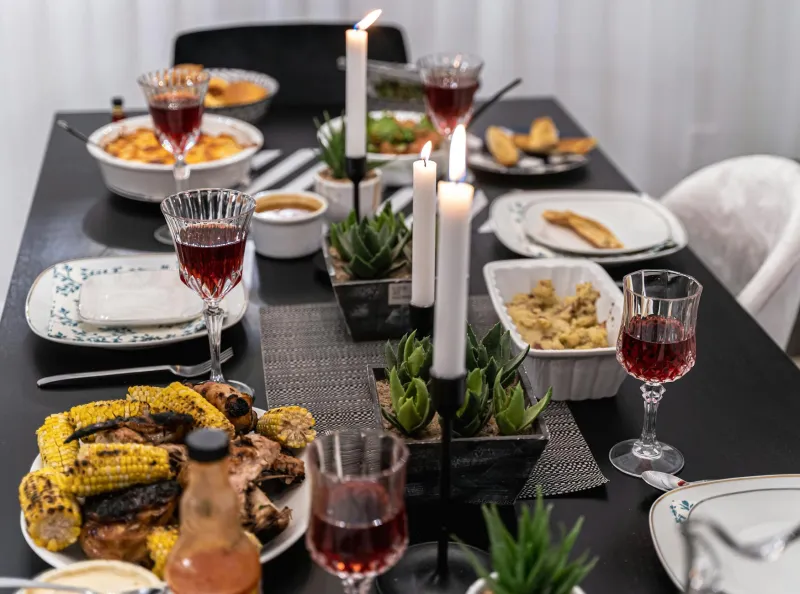
The Best Restaurant You've Never Heard Of Is Probably Someone's Living Room
Somewhere in your city right now, someone is setting a table for twelve strangers. There's no sign outside. No host stand. No QR code menu. The chef — who might also be your server, your dishwasher, and the person who built the playlist — is plating a dish they've been thinking about for weeks. The guests found out about this dinner through a text message, a mailing list, or a friend who said, simply, you have to come to this thing.
Welcome to the underground supper club. It's been hiding in plain sight for years, and if you haven't stumbled into one yet, you're missing one of the more interesting things happening in American food right now.
What Makes a Supper Club "Underground"?
The term gets used loosely, so it's worth being specific. Traditional supper clubs — particularly the kind still operating in Wisconsin and parts of the Midwest — are legitimate, licensed restaurants with a particular old-school format. That's a different thing entirely.
What we're talking about here is something more informal and, technically speaking, unregulated. A home cook or professional chef hosts a fixed-price dinner in a private space — an apartment, a backyard, a studio, occasionally a rented warehouse or rooftop. Guests pay in advance, usually by Venmo or cash, in amounts that might range from $40 to $150 or more depending on the ambition of the cook. No liquor license. No health inspection. No Yelp listing.
That last part is kind of the point.
Why Chefs and Home Cooks Are Drawn to the Format
Talk to anyone who runs one of these dinners and you'll hear the same word over and over: freedom.
Restaurants are punishing businesses. The overhead is brutal, the margins are razor-thin, and the pressure to produce a menu that will satisfy every possible customer on any given Tuesday tends to sand down the more interesting edges of a chef's cooking. A supper club inverts all of that. The cook decides the menu — usually a single, fixed progression of courses — and the guests sign up knowing they're along for the ride. There's no substitution, no dietary accommodation negotiation (though thoughtful hosts usually ask about serious allergies upfront), and no pressure to turn tables.
For home cooks who aren't professional chefs, the format offers something different: an audience. Cooking for twelve people who chose to be there, who paid for the experience, and who are genuinely curious about what lands in front of them is a fundamentally different experience than making dinner for family on a Wednesday night. A lot of people discover they're serious cooks through supper clubs before they ever consider a professional kitchen.
How These Things Actually Work
Every supper club operates a little differently, but there are some common patterns worth knowing.
Many run through private mailing lists or Instagram accounts that don't advertise what they are. You follow a handle, get added to a list, and occasionally receive a cryptic message: dinner for ten, third Saturday of the month, Greenpoint, $65, reply to reserve. Others operate through word of mouth so strict that the only way in is knowing someone who already goes.
Some hosts do small runs — six to eight people, once a month — and keep it deliberately intimate. Others have grown into something closer to a pop-up restaurant, with forty or fifty guests, wine pairings, and a level of production that would embarrass some actual restaurants. A few have used the format as a launching pad, building a following and a culinary identity before eventually opening a brick-and-mortar spot.
Cities with particularly active underground scenes right now include New York, Los Angeles, Chicago, Atlanta, and Portland — but the format has spread far beyond major metros. There are supper clubs running in mid-sized cities, college towns, and suburban neighborhoods where the local restaurant scene doesn't offer much in the way of adventure.
What the Experience Is Actually Like
This is the part that's hardest to describe to someone who hasn't done it.
There's a particular atmosphere that comes from eating in a private home with strangers who all opted into the same slightly unusual experience. The normal social scripts of restaurant dining don't quite apply. You end up talking to the person next to you in a way that rarely happens at a restaurant, partly because the format encourages it and partly because you've already established common ground just by being there.
The food tends to be personal in a way that restaurant cooking often isn't. You're eating something the cook genuinely wanted to make — not something engineered for a broad audience or optimized for food cost percentages. That comes through.
How to Actually Find One
This is the question everyone asks, and the honest answer is: it takes a little effort, which is also what makes it work.
Start with your existing food network. If you have friends who are serious about eating, ask if they've heard of anything. Follow chefs and serious home cooks on Instagram in your city and pay attention to what they post — many supper clubs leave breadcrumbs if you're looking. Search terms like "pop-up dinner" or "chef's table" combined with your city name will sometimes surface the more semi-public operations.
Once you're in, you'll find these things multiply. The supper club world runs on referrals, and a guest who shows up curious, engaged, and not weird about the whole experience tends to get invited back — and passed along.