Your Grandparents Already Fixed Food Waste — In 1943

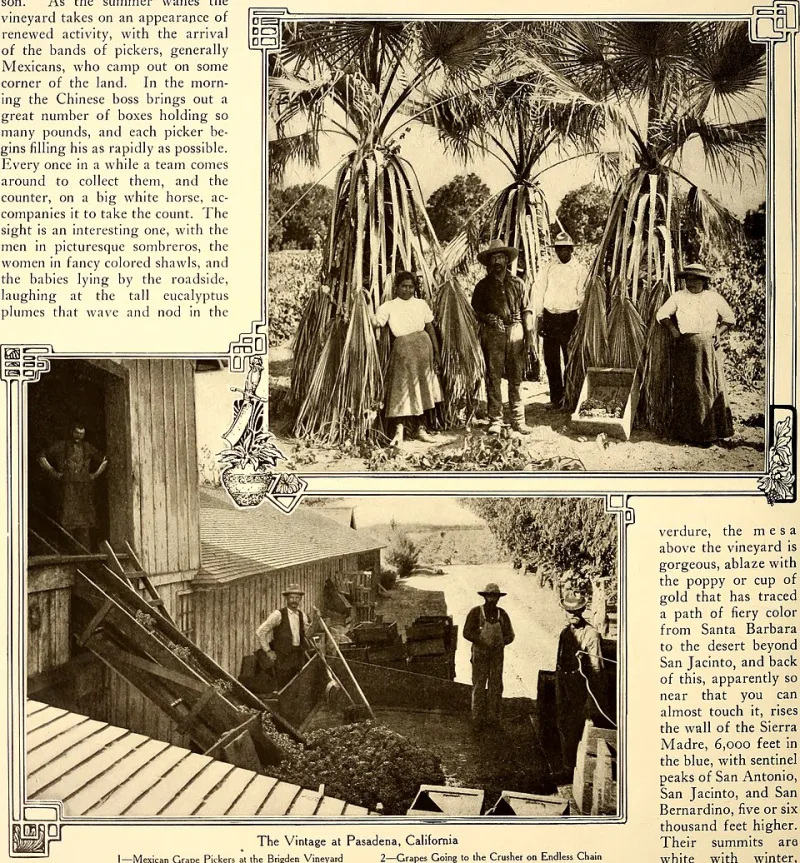
Photo by Photo by Library of Congress on Unsplash on Unsplash
Scroll through any tech blog and you'll find the pitch: a startup, flush with venture capital, will rescue "ugly" fruits and vegetables and deliver them to your door for a subscription fee. The language is always breathless — revolutionary, disruptive, a brand-new idea.
It is not a new idea. It's an eighty-year-old idea that America executed brilliantly, at massive scale, with no apps, no algorithms, and no delivery vans. Then we threw it away.
The Original Ugly Produce Movement
During World War II, the math was brutal. Millions of farmworkers and young men were overseas. Rubber and gasoline were rationed. Shipping food across the country suddenly competed with shipping tanks. The government's answer wasn't a startup — it was a pamphlet.
Washington flooded American kitchens with advice on stretching, preserving, and wasting nothing. Victory garden estimates vary, but by most accounts home gardens produced a staggering share of the nation's vegetables by 1944 — some estimates put it near 40%. Not from farms. From backyards, vacant lots, school grounds, and apartment rooftops.
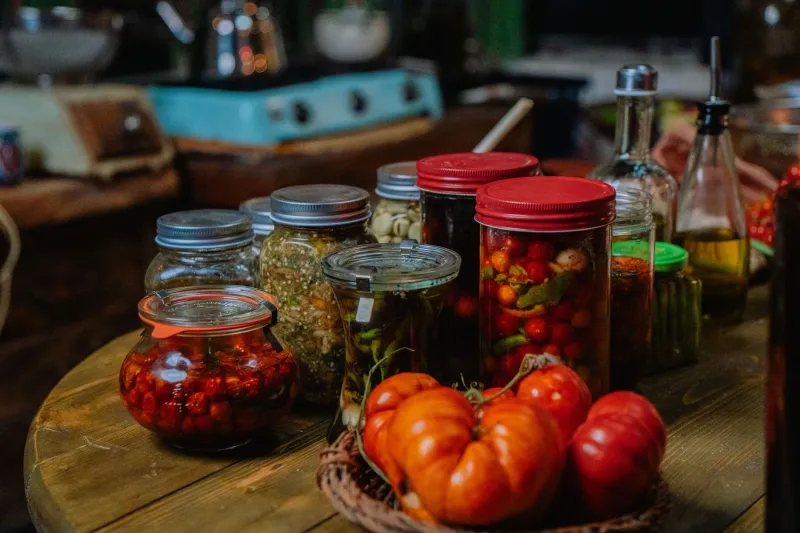
And here's the part that would make a modern pitch deck blush: the government didn't just tell people to grow food. It taught them to preserve it. Community canning centers popped up across the country — shared kitchens where neighbors could bring surplus produce, borrow pressure cookers (which were scarce and rationed), and put up jars for winter. Schools ran canning classes. Churches ran them. Extension agents went door to door.
Blemished apples didn't go to the landfill; they went into sauce and butter. Wilted garden greens became soup stock. There was no such thing as "imperfect produce" because the concept of produce being too ugly to use didn't exist. Waste wasn't a moral failure — it was practically un-American during the war.
The Networks We Dismantled
What really gets lost in the nostalgia is the infrastructure. Wartime America built informal surplus-sharing networks: neighbors trading jars, block-level collection points, school canning programs that doubled as food banks for struggling families. When one household had too many tomatoes and another had none, the system — mostly powered by church basements and telephone calls — moved the surplus.
Then the war ended, and the whole apparatus dissolved almost overnight. Supermarkets boomed. Frozen food got cheap. Suburbs put distance between neighbors and their gardens. The canning centers closed. Within a generation, a nation that had mobilized its kitchens became one that throws away roughly a third of its food supply.
What the Startups Get Right — and What They Miss
To be fair to the modern imperfect-produce companies: they've solved real logistics problems, and anything that keeps food out of landfills is worth doing. But notice what their model actually is — charging a premium, via subscription, to solve a problem that communities once solved for free, together.
The wartime model had three things the app model doesn't. First, skills: people were actually taught to cook with scraps, preserve harvests, and plan meals — knowledge the pamphlets treated as normal, not artisanal. Second, shared infrastructure: canning centers meant you didn't need to own the equipment. Third, community: surplus moved through relationships, not delivery routes.
The Drawer We Forgot to Open
The solutions to food waste weren't invented in 2015. They're sitting in our grandparents' kitchen drawers — in the stained pamphlets, the hand-crank can sealers, the recipes for "everything soup" written to use whatever was wilting.
The startups are reinventing a wheel. The interesting question is why the original wheel rolled so well, and what it would take — a community canning kitchen, a school class, a neighborhood surplus swap — to roll it again. Some problems don't need disruption. They just need remembering.