The Rarest Honey in North America Has Been Hiding in the Appalachian Mountains the Whole Time
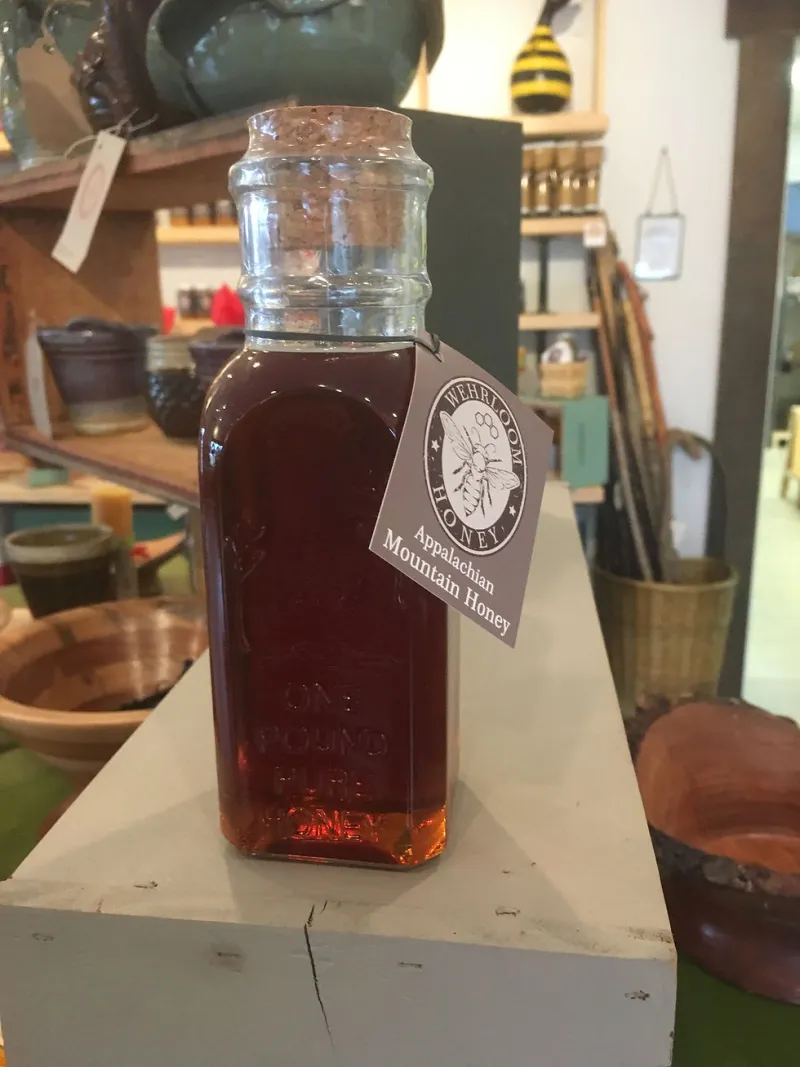
Photo: Appalachian mountain beekeeper sourwood honey jars rustic, via static.wixstatic.com
Ask a serious beekeeper — the kind who has tasted honey from every region of the country, who attends conferences and argues passionately about terroir and bloom windows — which American honey is the best. There's a reasonable chance they'll pause, smile a little, and say: sourwood. Then they'll probably add something like, "If you can find it."
 Photo: Appalachian Mountains, via www.thoughtco.com
That qualifier matters. Sourwood honey is not something you encounter by accident. It doesn't show up in the honey aisle at your grocery store between the bear-shaped bottles of clover and the artisan wildflower jars. It doesn't have a major brand behind it or a national distribution deal. What it has is a geography — a specific, narrow, irreproducible geography — and a handful of stubborn Appalachian beekeeping families who have been working within that geography for generations.
The story of how this honey stayed hidden from most of America is almost as interesting as the honey itself.
What Sourwood Actually Is
The sourwood tree — Oxydendrum arboreum, if you want to get botanical about it — is native to the Appalachian Mountain region and the surrounding foothills, ranging from southwestern Pennsylvania down through the Carolinas, Georgia, and into northern Alabama. It's a modest-sized tree, rarely getting above 30 or 40 feet, with long drooping clusters of small white flowers that bloom in midsummer. In fall, its leaves turn a spectacular crimson that makes it a favorite among people who drive mountain roads looking for foliage.
But in late July and August, something else happens. Those white flower clusters produce nectar — and that nectar is unlike anything bees collect anywhere else in North America.
Sourwood honey is pale, almost cream-colored, with a consistency that's slightly thicker than most varietals. The flavor is where things get genuinely unusual: there's a bright, almost spicy top note — some describe it as anise-like, others say it has a faint caramel quality — followed by a clean, mildly tart finish that gives the tree its name. It doesn't taste like generic sweetness. It tastes like something specific, something identifiable, something you'd remember.
"Sourwood has a complexity that most commercial honeys just don't have," says beekeeper and author Howland Blackiston, who has written extensively about American honey production. "It's the kind of honey that makes people stop and think about what they're tasting."
Why It Never Scaled
Here's the thing about sourwood honey that makes it permanently, structurally rare: the tree only blooms for a few weeks in summer, the bloom is heavily weather-dependent, and the trees only grow in significant density within a relatively confined mountain corridor. You cannot grow sourwood honey in Iowa. You cannot produce it in California. You cannot manufacture it in a facility in New Jersey and call it sourwood.
Beyond geography, there's a timing problem. Sourwood bloom coincides with summer heat and drought conditions that are common in the southern Appalachians. A dry July is actually good for sourwood nectar concentration — but it's hard on bees and hard on beekeepers. The window for collecting a strong sourwood harvest might be as short as two or three weeks in a given year, and a late frost or an unusually wet summer can devastate a season entirely.
Large commercial honey operations have no interest in this kind of variability. Industrial honey production requires consistency, predictability, and volume. Sourwood offers none of those things. What it offers instead is exceptional flavor in limited, unreliable quantities — which is exactly the kind of proposition that small-scale Appalachian beekeepers have been quietly willing to accept for over a hundred years.
The Towns That Kept the Tradition
In the mountains of western North Carolina, a handful of small communities have built quiet identities around sourwood honey. Brevard, Black Mountain, and the broader Transylvania County area host sourwood honey festivals that draw beekeepers and honey enthusiasts from across the region. These aren't enormous tourist events — they're modest, community-scaled gatherings where local producers sell directly to visitors, judges taste and score entries with genuine seriousness, and the whole affair feels less like a commercial venture than a celebration of something genuinely local and genuinely irreplaceable.
 Photo: Transylvania County, via uscountymaps.com
The beekeeping families who have worked these mountains for generations often have hive locations that have been passed down like property. Certain ridgelines and coves where sourwood grows in dense clusters are known quantities — places where a beekeeper moves their hives in early July and hopes the weather cooperates. The knowledge of where those spots are, how to read the bloom, and how to manage hives for maximum sourwood collection is the kind of expertise that takes decades to accumulate.
Some of those families have been doing exactly this since the early 1900s, selling their honey at roadside stands, through local hardware stores, and by reputation alone. No marketing budget. No social media presence. Just very good honey and customers who knew where to find it.
The Chemistry Behind the Flavor
Sourwood honey isn't just culturally distinctive — it's chemically distinctive in ways that food scientists find genuinely interesting. Its sugar composition differs from most common honey varietals, with a higher fructose-to-glucose ratio that contributes to its slower crystallization and its particular mouthfeel. It also contains a unique blend of aromatic compounds derived from sourwood nectar that give it those spicy, slightly floral top notes that tasters keep trying to describe.
Researchers at North Carolina State University have studied sourwood honey's antimicrobial properties and found activity levels that are competitive with some of the more heavily marketed medicinal honeys on the market. That's not a claim the sourwood beekeeping community tends to make loudly — they're more likely to tell you it's good on a biscuit — but it's an interesting footnote.
The honey also crystallizes beautifully, forming a fine, spreadable texture rather than the coarse, grainy crystallization that makes some honeys unpleasant to eat in solid form. Old-timers in the region have always preferred it that way — crystallized sourwood on a piece of cornbread is, by multiple accounts, one of the better things you can eat in the southern mountains.
Finding It Before Everyone Else Does
Sourwood honey has been slowly gaining attention outside its home region over the last decade or so, driven partly by the broader artisan food movement and partly by a growing number of chefs who discovered it and couldn't stop talking about it. A few specialty food retailers now carry it. Some online sellers ship directly from Appalachian producers.
But the best sourwood honey still comes from the beekeepers who have been doing this the longest, in the places where the trees grow thickest, in the years when the weather cooperates. Which means the best way to find it is still roughly the same as it's always been: drive into the mountains in late summer, look for a hand-painted sign outside someone's house, and ask if they have any left.
Most years, if you ask early enough, they do. And most people who taste it for the first time report the same reaction: mild disbelief that something this good has been sitting in the mountains this whole time, and nobody told them.