Mountain Gold: How Wild Honey Became Appalachia's Secret Currency
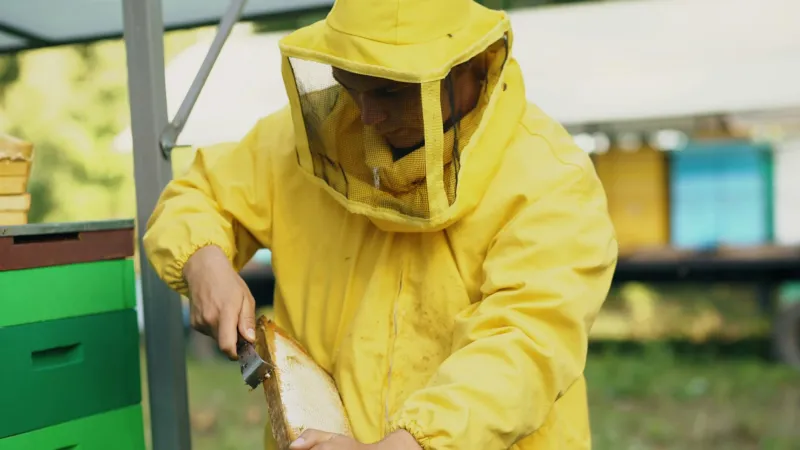
When Honey Flowed Like Money Through Mountain Hollows
Deep in the Appalachian Mountains, long before Walmart or even paved roads reached the remote hollows, a different kind of economy hummed quietly through the hills. It wasn't based on paper money or bank loans — it ran on liquid gold that came straight from the forest canopy.
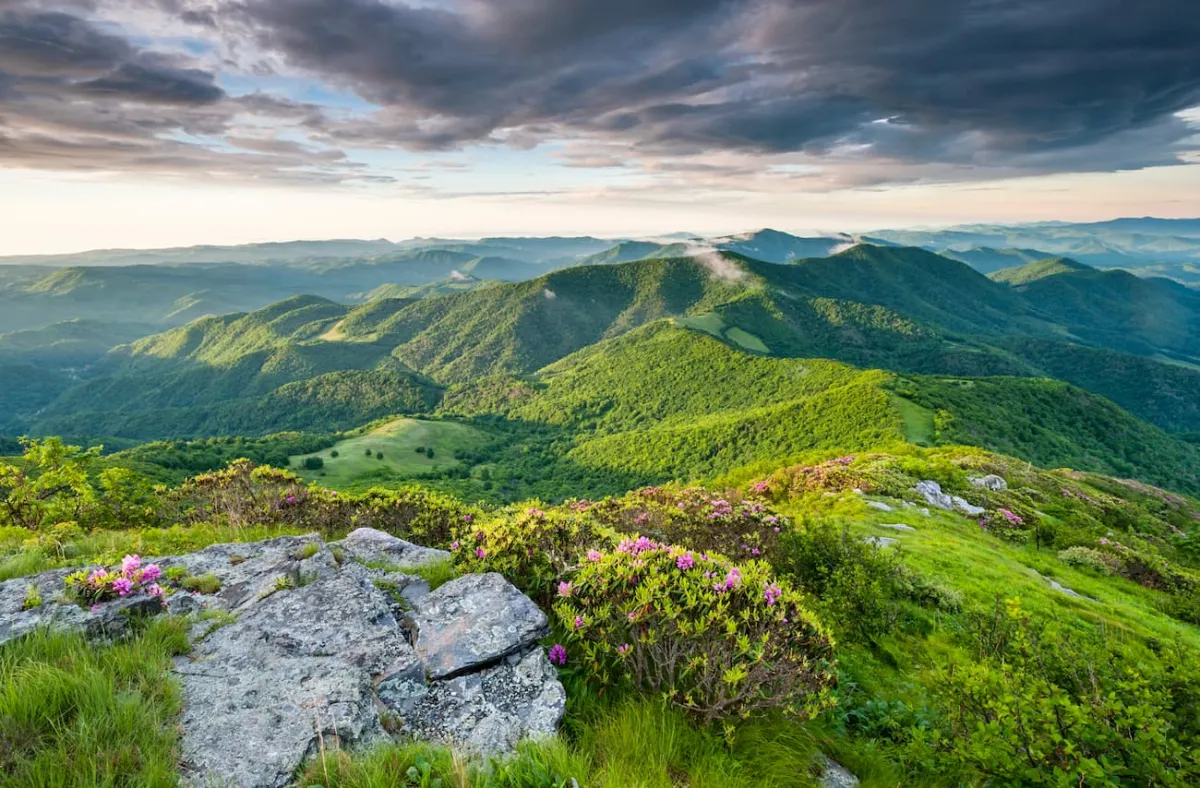 Photo: Appalachian Mountains, via peakvisor.com
Wild honey, harvested from trees and cliffsides by mountain beekeepers, became the backbone of a barter network so sophisticated that some communities barely used cash for decades. This wasn't just about sweetening cornbread. Honey was currency, medicine, and sometimes the difference between surviving winter or not.
The Keepers of the Mountain Hives
Appalachian beekeepers weren't like the commercial operators of today. These were mountain families who had learned to read the forest like a book, tracking wild swarms and maintaining hives in hollow trees, rock crevices, and hand-built gums (wooden hive boxes) scattered throughout the wilderness.
They knew secrets that modern beekeepers have forgotten. Which trees produced the darkest, most medicinal honey. When to harvest cliff hives that hung hundreds of feet above creek beds. How to follow bee lines through dense forest to locate wild colonies that had been thriving for generations.
The Honeycutt family in eastern Kentucky maintained over 200 wild hives spread across three counties. The Bee Man of West Virginia, as locals called him, could predict weather patterns by watching his bees' behavior. These weren't hobby beekeepers — they were the pharmacists, bankers, and grocery suppliers for communities that might not see a store for months at a time.
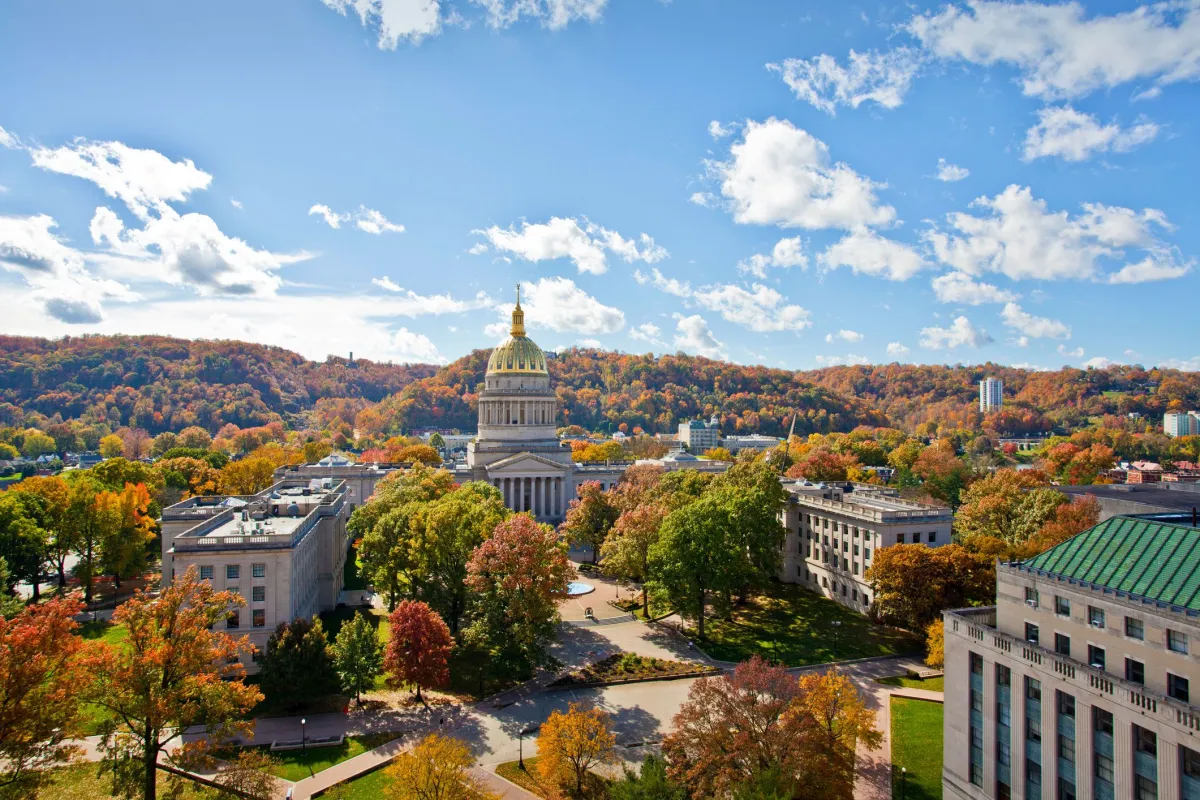 Photo: West Virginia, via www.tripsavvy.com
 Photo: Honeycutt family, via hannahcatherinephotography.com
A Currency Worth More Than Gold
In mountain communities where cash was scarce, honey became the medium of exchange for everything from medical care to winter supplies. A gallon of dark sourwood honey might trade for a month's worth of flour. Light tulip poplar honey could buy ammunition or tools.
But this wasn't simple bartering. The honey economy had its own exchange rates, quality standards, and seasonal fluctuations that rivaled any modern commodity market. Spring honey, light and floral, commanded different prices than fall honey, dark and rich with minerals. Honey from chestnut trees — before the blight wiped them out — was so prized that a single gallon could trade for a month's wages.
Mountain families developed their own honey banks, storing different varietals for different purposes. Basswood honey for trading with lowland merchants. Wildflower honey for daily use. And the rarest varieties — sourwood, locust, and the legendary bee-tree honey — saved for medical emergencies or the harshest winter months.
Nature's Pharmacy in a Mason Jar
Long before antibiotics, mountain honey served as the primary medicine for isolated communities. But not all honey was created equal when it came to healing properties.
Tulip poplar honey was prized for treating respiratory ailments — its high mineral content and natural antibacterial properties made it more effective than many modern cough syrups. Sourwood honey, with its distinctive tangy flavor, was the go-to treatment for stomach problems and infections.
The most valuable was bee-tree honey — harvested from wild colonies that had lived in the same hollow tree for decades. This honey, aged in the tree's natural chambers, developed properties that mountain healers swore could cure everything from arthritis to infected wounds.
Grannies (mountain healers) maintained detailed knowledge about which honey varieties worked for which ailments. They knew that fresh comb honey was better for burns, while aged honey worked better for internal medicine. This pharmaceutical knowledge was passed down through generations, creating a medical tradition that relied entirely on what the mountains provided.
The Varieties We'll Never Taste Again
The Appalachian honey network supported varieties that no longer exist. Before the American chestnut blight, chestnut honey was the crown jewel of mountain apiaries — dark, rich, and so distinctive that you could identify it blindfolded.
American elm honey, before Dutch elm disease, had a light, almost vanilla flavor that was prized for children's medicine. Honey from wild ginseng flowers was so rare and valuable that it was reserved for the most serious medical emergencies.
These lost honey varieties weren't just different flavors — they were different medicines, each with properties that mountain communities had spent generations learning to harness. When the trees disappeared, so did centuries of accumulated knowledge about their healing power.
Winter's Sweet Insurance Policy
In communities where the nearest store might be a day's ride away, and winter could cut off access for months, honey provided more than just calories — it was survival insurance that never spoiled.
Mountain families would store honey in different forms for different winter needs. Liquid honey for daily sweetening and medicine. Honey combs for chewing during long winter evenings — the wax provided additional calories and helped clean teeth. And honey butter, mixed with rendered fat, that could sustain someone through days of heavy labor in freezing temperatures.
The honey harvest determined how well a family would survive winter. A good honey year meant security. A poor honey year meant rationing and worry.
What We Lost When the Roads Came In
The Appalachian honey economy began to disappear in the 1930s and 40s as roads, electricity, and modern commerce reached even remote mountain communities. Suddenly, store-bought sugar was cheaper than wild honey. Modern medicine replaced honey remedies. Cash became more useful than barter.
Within a generation, knowledge that had sustained mountain communities for centuries was nearly lost. The bee trees were cut down for timber. The wild hives were abandoned. The intricate understanding of forest nectar flows and seasonal honey varieties disappeared with the old-timers who carried it.
The Modern Honey Renaissance
Today, as Americans rediscover local food and natural medicine, we're essentially trying to rebuild what mountain communities perfected long ago. Artisanal honey producers are relearning the importance of terroir in honey. Natural health enthusiasts are rediscovering honey's medicinal properties.
But we're doing it without the centuries of accumulated wisdom that once flowed through Appalachian hollows like honey from a broken comb. We're buying expensive raw honey from health food stores, not knowing that our great-grandparents once had access to varieties that were far more potent and flavorful.
The next time you drizzle honey into your tea, remember the mountain beekeepers who understood that sweetness was just the beginning of honey's power. They built entire communities around liquid gold that fell from the sky, and their wisdom deserves more than just a footnote in the history of American food.