The Corner Shop Candy Revolution That Big Brands Don't Want You to Remember
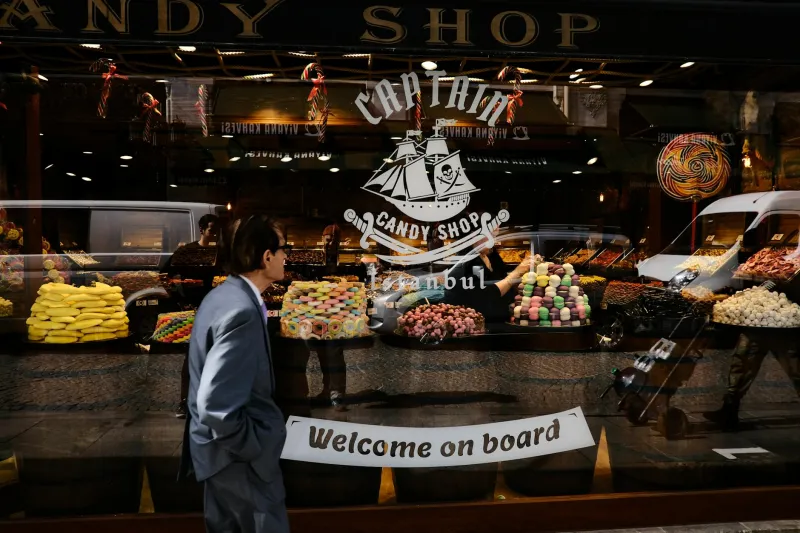
The Sweet Shops That Rewrote American Taste
Walk through any modern artisan candy shop, and you'll find flavors that seem cutting-edge: rose water caramels, sesame brittles, tamarind hard candies, cardamom chocolates. Food writers celebrate these as exciting new directions in American confectionery, but they're actually echoing a revolution that happened over a century ago in the cramped storefronts of immigrant candy makers who quietly reshaped the American palate before anyone was paying attention.
Between 1880 and 1920, waves of Eastern European, Middle Eastern, and Mediterranean immigrants opened small candy shops in America's growing cities. These weren't just businesses — they were flavor laboratories where Old World confectionery traditions collided with New World ingredients and American industrial methods, creating entirely new categories of sweets that would influence American snack culture for generations.
When Candy Shops Were Spice Routes
The typical American sweet tooth in 1880 was remarkably limited: molasses, maple sugar, and whatever fruit preserves could be made locally. Then Syrian confectioners started opening shops in Detroit and Brooklyn, bringing techniques for working with sesame, rose water, and honey that had been refined over centuries.
Abraham Sahadi, who opened a confectionery in Brooklyn in 1895, wasn't just making candy — he was introducing Americans to flavor combinations that didn't exist in the American vocabulary. His rose water nougat used techniques from Aleppo combined with American corn syrup. His sesame brittle was essentially Middle Eastern halva reimagined for American candy expectations.
 Photo: Abraham Sahadi, via m.media-amazon.com
Jewish confectioners from Poland and Russia brought their own innovations: honey cakes that bridged the gap between Old World religious traditions and American snack culture, egg creams that would become a New York institution, and techniques for working with nuts and dried fruits that influenced everything from candy bars to trail mix.
The Flavor Pioneers Nobody Remembers
Consider the Kouroubacas brothers, Greek immigrants who opened a candy shop in Chicago in 1902. They introduced Americans to mastic — a pine-like resin that creates a unique chewing sensation. Their mastic gum predated modern chewing gum by years and influenced the development of American gum texture.
Or take Mehmet Hassan, a Turkish confectioner who set up shop in Boston's North End in 1898. His Turkish Delight wasn't just an ethnic curiosity — it was one of the first widely available American candies to use gelatin as a primary ingredient, laying groundwork for the entire gummy candy industry that wouldn't explode until decades later.
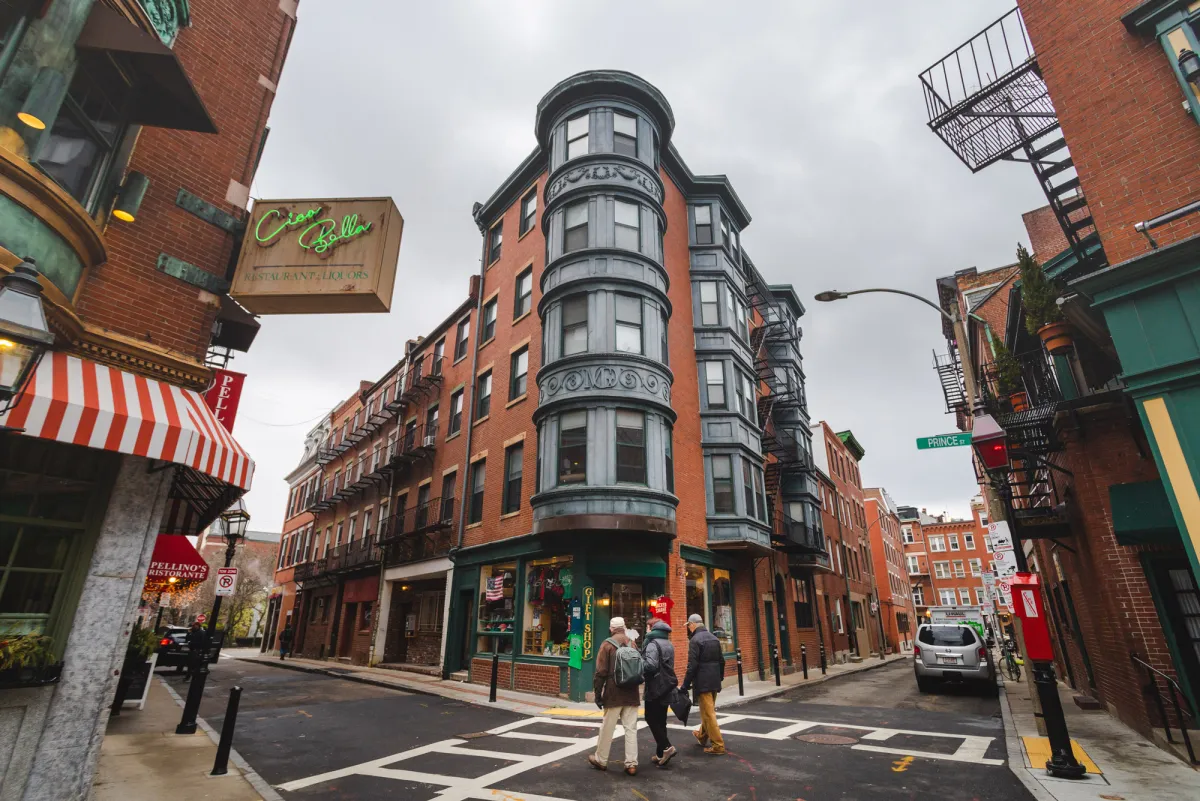 Photo: Boston's North End, via www.bu.edu
These small-shop innovations were happening in parallel across dozens of American cities. Italian confectioners in San Francisco were developing torrone variations that influenced nougat production. Armenian candy makers in Fresno were working with pistachios and apricots in ways that would eventually show up in mass-market energy bars.
The Corporate Takeover That Erased History
As American candy companies industrialized in the 1920s and 30s, they systematically studied these immigrant innovations and scaled them for mass production — while often erasing their origins.
The Curtiss Candy Company's "Butterfinger" borrowed techniques for aerated candy centers that Lebanese confectioners had perfected decades earlier. Mars incorporated nougat methods that Italian candy makers had been using in their American shops since the 1890s. Hershey's approach to milk chocolate was influenced by Swiss immigrants who had opened confectioneries in Pennsylvania Dutch country.
But the corporate versions were simplified, standardized, and stripped of the complex flavor profiles that made the original immigrant candies special. Rose water became "floral extract." Cardamom became "warming spice." Tamarind became "fruit flavoring." The nuanced flavors that had taken centuries to develop were reduced to industrial approximations.
The Lost Candy Traditions
Some immigrant candy traditions never made the jump to mass production and simply disappeared as the small shops closed. Persian confectioners made a candy called "fesenjan drops" — pomegranate and walnut hard candies that created a sweet-savory flavor profile that wouldn't reappear in American candy until the recent artisan revival.
Egyptian candy makers produced "muhallabia squares" — milk-based confections flavored with orange blossom that were essentially the predecessors of modern cream-filled chocolates, but with far more sophisticated flavor development.
Armenian confectioners created fruit leather candies from apricots and grapes that were more complex and less sweet than anything in modern American candy aisles. These weren't just dried fruit — they were layered confections that balanced sweetness, acidity, and texture in ways that influenced the development of modern fruit snacks.
How Immigration Shaped American Snacking
The influence of these forgotten candy makers extends far beyond candy itself. They introduced Americans to the concept of snacking as pleasure rather than just sustenance. Middle Eastern confectioners brought the tradition of small, intensely flavored sweets meant to be savored slowly — a direct contrast to American eating habits that favored larger, less complex flavors.
They also introduced textural innovations that became fundamental to American snack culture. The chewy-crunchy combination that defines everything from granola bars to trail mix was pioneered by immigrant confectioners working with nuts, dried fruits, and honey-based binders.
Perhaps most importantly, they expanded the American palate beyond sweet and salty to include complex flavor profiles that balanced multiple taste sensations. This groundwork made it possible for later innovations like spicy-sweet snacks, umami-flavored chips, and the complex flavor profiles that define modern American snack culture.
The Modern Rediscovery
Today's artisan candy renaissance is essentially rediscovering techniques and flavors that immigrant confectioners brought to America over a century ago. Small-batch candy makers are reintroducing rose water, working with tahini, and experimenting with cardamom — all flavors that were common in American candy shops in 1910.
But we're doing it without the cultural context and accumulated knowledge that made the original immigrant candy shops so innovative. We're treating these flavors as exotic discoveries rather than recognizing them as part of a lost American candy tradition that was erased by industrialization.
The Sweet Debt We Owe
Every time you enjoy a complex candy bar, appreciate the texture of modern gummy candy, or savor an artisan confection with unusual flavors, you're experiencing the legacy of immigrant candy makers who worked in cramped storefronts over a century ago.
They didn't just introduce new flavors to America — they fundamentally changed how Americans think about sweetness, texture, and the role of candy in daily life. They laid the groundwork for the entire modern American snack industry, then watched as their innovations were absorbed, simplified, and mass-produced without credit.
The next time you walk past an artisan candy shop featuring "innovative" flavors like rose water or sesame, remember that these aren't new discoveries — they're echoes of a candy revolution that happened long before anyone thought to preserve its history. Those forgotten immigrant confectioners deserve recognition as the true architects of American snack culture.