The Steel Mill Lunch Engineering That Put Today's Meal Prep to Shame
When Your Lunch Had to Survive a Blast Furnace
While today's meal preppers obsess over glass containers and Instagram-worthy arrangements, they're unknowingly following in the footsteps of some of America's most ingenious food engineers — immigrant steelworkers who had to pack lunches that could withstand conditions that would destroy any modern Tupperware setup.
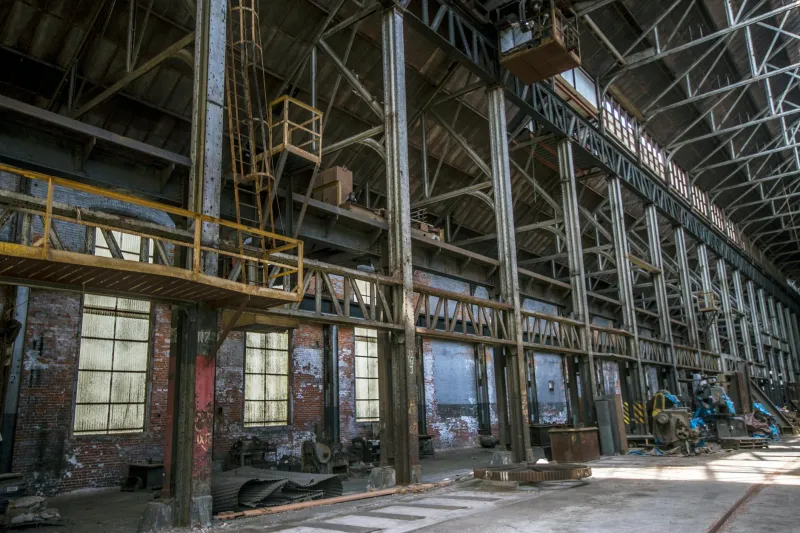
In the steel mills of Pittsburgh, Gary, and Cleveland during the early 1900s, workers faced a lunch challenge that makes today's office microwave wars look trivial. These men needed meals that could stay warm (or at least edible) for 12-hour shifts in environments where temperatures swung from freezing cold to blast-furnace hot, where soot covered everything, and where there was no refrigeration, no reheating, and certainly no food delivery.
The Lost Art of Industrial Lunch Architecture
The solution wasn't just packing a sandwich. It was food engineering at its finest, developed by immigrant communities who brought centuries of preservation knowledge from the old country and adapted it to America's industrial reality.
Take the layered stews perfected by Polish steelworkers. These weren't your typical soup-in-a-thermos affairs. Workers would pack dense, almost solid stews in multiple layers within their lunch pails — a bottom layer of grain or potato that absorbed liquid, a middle layer of vegetables and fat, and a top layer of meat that acted as insulation. By lunchtime, the entire container had become a self-heating, perfectly balanced meal that actually improved as it sat.
Italian workers brought their own innovation: wrapped dumplings that functioned like edible lunch boxes. These weren't delicate pasta parcels — they were thick-skinned, almost bread-like containers stuffed with calorie-dense fillings that could handle being knocked around in a lunch pail for hours. The wrapper itself was part of the meal, engineered to absorb flavors while protecting the interior.
The Science Behind Working-Class Wisdom
What looks like simple immigrant cooking was actually sophisticated food science. These workers understood principles that modern food technologists are just rediscovering.
German steelworkers mastered the art of fat distribution, packing lard or rendered meat fat in specific patterns throughout their meals. The fat didn't just add calories — it created insulation layers that kept food at safe temperatures and prevented bacterial growth during those long, hot shifts.
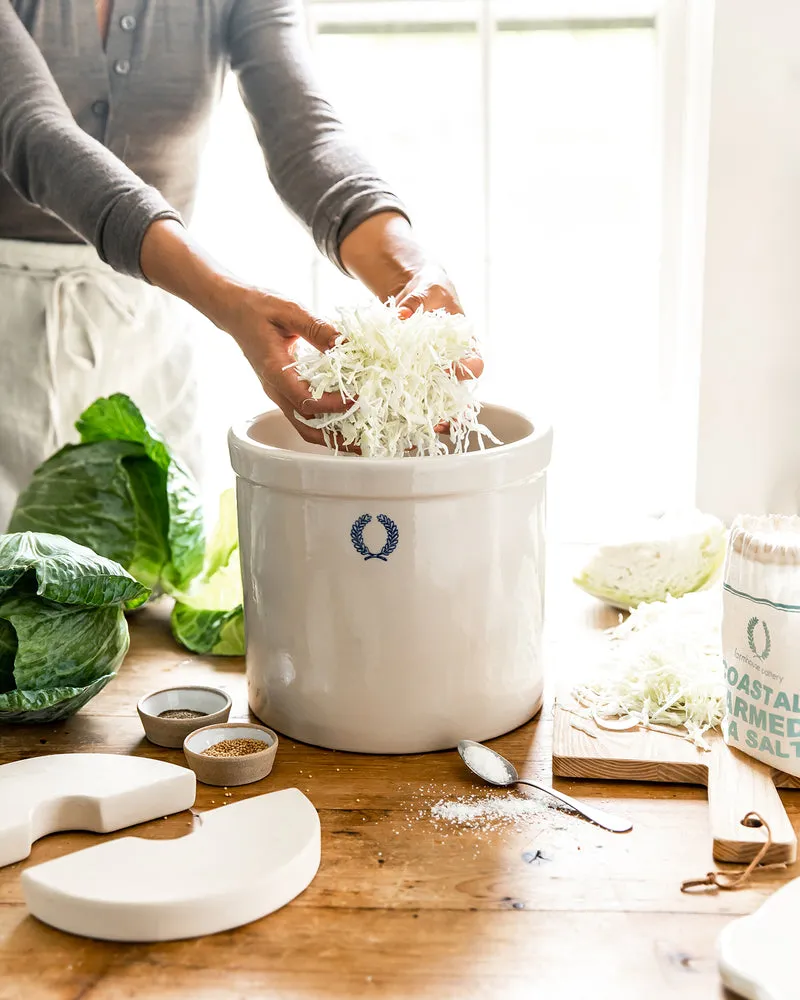
Slavic communities perfected fermented additions that acted as natural preservatives. A spoonful of sauerkraut or fermented onions wasn't just for flavor — it created an acidic environment that kept the entire meal safe to eat hours later.
Dense Breads That Put Energy Bars to Shame
Perhaps the most overlooked innovation was the working-man's bread. These weren't fluffy loaves — they were dense, almost cake-like creations packed with nuts, dried fruits, and sometimes even meat. A single thick slice could sustain a man through the hardest physical labor.
Russian steelworkers brought black bread recipes that included everything from sunflower seeds to dried fish. Hungarian workers made breads so dense with lard and eggs that they bordered on being portable meat pies. These breads were engineered for maximum calories per cubic inch — something modern energy bar manufacturers spend millions trying to achieve.
Why This Matters Today
As meal prep culture explodes and Americans rediscover the value of home-packed lunches, we're essentially reinventing wheels that immigrant steelworkers perfected a century ago. Their solutions were born from necessity, not lifestyle choice, which made them remarkably practical.
Modern meal preppers struggle with food safety, temperature control, and creating meals that taste good hours after packing. Steel mill workers solved all these problems using nothing but traditional cooking techniques and common sense.
Their layered stew method is essentially what slow-cooker enthusiasts are trying to recreate. Their wrapped dumplings are the ancestors of today's protein-packed wraps. Their dense breads anticipated the entire energy bar industry.
The Forgotten Legacy
These lunch pail innovations disappeared as American industry changed. Factory cafeterias, vending machines, and fast food eliminated the need for engineering your own portable meals. The knowledge that immigrant communities spent decades perfecting was lost in a single generation.
But as Americans again seek healthy, affordable, portable meals, these forgotten techniques offer lessons that Instagram meal prep can't teach. They remind us that the best food innovations often come not from test kitchens or food labs, but from real people solving real problems with whatever ingredients they had on hand.
The next time you're struggling to pack a lunch that will still taste good hours later, remember the steelworkers who solved that problem while feeding families on immigrant wages and building the backbone of American industry. Their lunch pails contained more food wisdom than most modern cookbooks.