The Pickled Vegetable Mix That Graced Every American Kitchen — Until We Forgot How to Make It
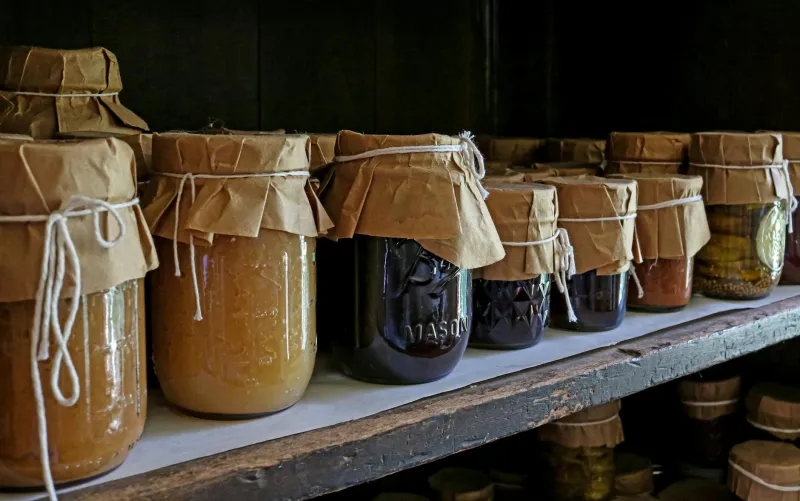
Walk through any Southern grandmother's pantry in 1950, and you'd find rows of mason jars filled with a chunky, colorful relish that looked like confetti made from vegetables. Chow-chow — a tangy mix of cabbage, peppers, onions, and whatever else the garden offered — sat on American tables for generations before vanishing so completely that most people under 60 have never heard of it.
The Accidental Preservation Revolution
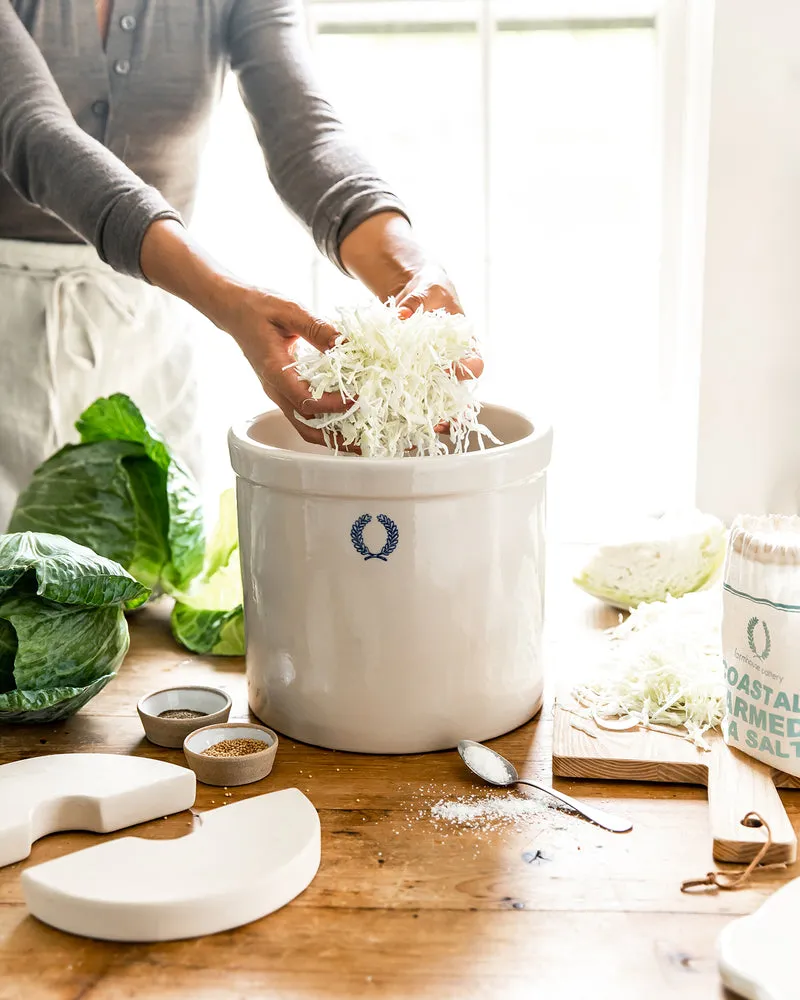
Chow-chow wasn't born from some grand culinary vision. It started as pure necessity. Before refrigeration, late-summer gardens produced more vegetables than families could eat fresh. The solution? Chop everything up, pack it in brine, and create a condiment that would last through winter while adding flavor to otherwise bland preserved foods.
The name itself tells the story of American immigration. "Chow-chow" likely came from Chinese immigrants who brought their own pickled vegetable traditions to railroad work camps in the 1800s. But the American version quickly evolved into something distinctly regional, with recipes varying wildly from Pennsylvania Dutch country to the Deep South.
 Photo: Pennsylvania Dutch, via i.etsystatic.com
By the early 1900s, commercial versions appeared on grocery shelves. Heinz, Crosse & Blackwell, and dozens of smaller companies bottled their own interpretations. The condiment became so common that cookbook authors rarely bothered explaining what it was — everyone just knew.
The Golden Age of Relish
During chow-chow's heyday, no proper meal was complete without it. Southern families spooned it over beans and cornbread. Pennsylvania Dutch cooks served it alongside sausages and sauerkraut. In Appalachian communities, it appeared at every church supper and family gathering.
The beauty of chow-chow lay in its flexibility. Base recipes called for cabbage and onions, but beyond that, anything went. Green tomatoes, bell peppers, hot peppers, corn, lima beans, carrots — whatever needed preserving found its way into the mix. Some families added mustard seed for heat, others preferred celery seed for earthiness. Turmeric gave it that distinctive yellow color that made it instantly recognizable.
Restaurant menus from the 1920s through 1950s regularly featured chow-chow as a side dish. Diners expected it. Hotels served it. Even fancy establishments kept jars on hand because customers asked for it by name.
The Quiet Disappearance
So what happened? The decline started gradually in the 1960s and accelerated through the following decades. Several forces conspired against this humble condiment.
First, home canning fell out of favor. As more women entered the workforce, time-intensive preservation methods lost their appeal. Why spend a weekend chopping vegetables and sterilizing jars when you could buy pickles at the store?
Second, American tastes shifted toward milder flavors. The tangy, slightly sour bite that made chow-chow appealing to earlier generations seemed too intense for palates increasingly accustomed to processed foods. Sweet pickle relish offered familiarity without the complexity.
Third, and perhaps most importantly, the knowledge simply wasn't passed down. Unlike family recipes for cookies or casseroles, chow-chow required specific preservation techniques. When one generation stopped making it, the next never learned. The chain broke.
Commercial producers quietly dropped their lines. Grocery stores stopped stocking it. By the 1990s, chow-chow had virtually disappeared from mainstream American food culture.
The Underground Revival
Today, you won't find chow-chow in most supermarkets. But in certain pockets of the country, it never really left. Small-batch producers in Pennsylvania, North Carolina, and West Virginia still make it using family recipes passed down through generations.
Farmers' markets have become unexpected chow-chow strongholds. Vendors report that older customers light up when they spot jars on display, often buying multiple containers and sharing stories about grandmothers who made it fresh every fall.
The home canning revival has also sparked new interest. Food preservation blogs feature chow-chow tutorials, and canning groups on social media share variations and techniques. Young preservers discover that this forgotten condiment offers something modern relishes lack: complexity and character.
Some contemporary chefs have rediscovered chow-chow's potential. Its bright acidity cuts through rich dishes, while its chunky texture adds interest to simple preparations. A few high-end restaurants now make their own versions, though they rarely call it by its traditional name.
More Than Just Pickles
Chow-chow represents something larger than a lost condiment. It embodies an entire approach to food that prioritized preservation, resourcefulness, and regional variation over convenience and standardization. Every jar told the story of a specific garden, a particular family's taste preferences, and a community's shared knowledge.
Its disappearance reflects how quickly food traditions can vanish when they're not actively maintained. Unlike dishes that require special occasions or elaborate preparations, condiments like chow-chow depended on daily use to survive. When people stopped reaching for it regularly, it simply faded away.
The small-scale revival happening now suggests that some food traditions have staying power even after decades of neglect. Whether chow-chow will ever return to mainstream American tables remains uncertain. But for those who remember its tangy crunch or discover it for the first time, this forgotten relish offers a taste of an America that knew how to make the most of what the garden provided.