Delta Highway's Best-Kept Secret: The Family Tamale Trails That Fed the Blues Highway
If you drove Highway 61 through the Mississippi Delta in the 1970s, you might have noticed small signs hand-painted on plywood: "Hot Tamales." No corporate logos, no franchise branding — just families selling a dish that shouldn't have existed in the Deep South but had somehow become as essential to Delta culture as cotton and blues music.
The Unlikely Journey South
Tamales in Mississippi? The story starts with labor and necessity. In the early 1900s, Mexican workers arrived in the Delta to work cotton plantations and railroad construction. They brought masa and corn husks, but the ingredients they knew from home weren't available. So they adapted.
Delta tamales evolved into something entirely their own. Instead of traditional masa, cooks used cornmeal. Beef replaced pork in many recipes. The seasonings reflected local tastes — less cumin, more black pepper. Some families added ingredients that would horrify purists: rice, potatoes, even occasional vegetables.
But here's where the story gets really interesting. African American families in the Delta didn't just adopt this Mexican import — they transformed it. Women who had mastered complex preservation techniques and flavor layering from their own culinary traditions saw tamales as another canvas for creativity.
The Highway Network Emerges
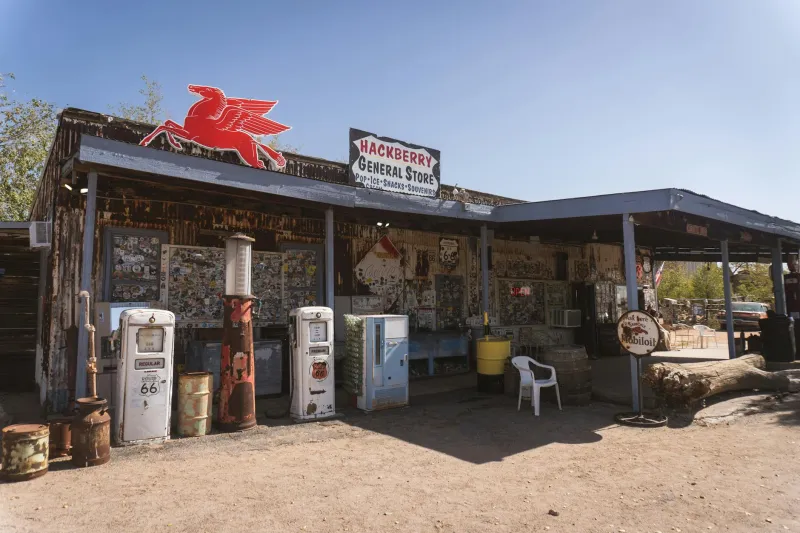
By the 1940s, tamale stands dotted Highway 61 from Memphis to Vicksburg. These weren't restaurants in any conventional sense. Most operated from converted gas stations, roadside shacks, or even the front porches of family homes. Hand-lettered signs announced their presence, but word of mouth did the real advertising.
Each stand developed its own loyal following. Travelers learned to recognize the good spots: the one near Clarksdale with tamales so spicy they made your eyes water, the family outside Greenville who wrapped theirs in parchment instead of corn husks, the stand in Tunica where the proprietor remembered every customer's heat preference.
The tamale trail operated on its own economy. Prices stayed remarkably consistent — usually a quarter or fifty cents per tamale well into the 1980s. Vendors accepted IOUs from regular customers and often threw in extras for families with children. This wasn't fast food; it was community food.
Cultural Fusion in Action
What made Delta tamales unique wasn't just the recipe modifications — it was how they fit into the broader cultural landscape. Blues musicians discovered them early, spreading word from juke joint to juke joint. Tamales became late-night food, perfect for soaking up alcohol and providing sustenance during long musical sessions.
The preparation itself reflected this cultural mixing. Traditional Mexican techniques blended with African American cooking wisdom. Some families steamed their tamales in cast iron pots inherited from grandmothers who had cooked for plantation families. Others developed hybrid cooking methods that combined steaming with slow simmering.
Seasonings told the story of available ingredients and local preferences. Delta tamales often featured more salt and black pepper than their Mexican counterparts. Some cooks added sage or thyme — herbs that grew wild in the region. Hot sauce became standard, but not the Mexican varieties — Louisiana-style pepper sauces dominated.
The Invisible Economy
Most Delta tamale operations existed entirely outside formal business structures. No health department permits, no business licenses, no tax records. Vendors operated on trust and reputation, relying on family networks and community connections rather than marketing or advertising.
This informal approach had advantages. Overhead stayed minimal, allowing families to maintain affordable prices while earning decent livings. Recipes remained closely guarded secrets, passed down through generations without written documentation. Quality control happened through immediate customer feedback — a bad batch meant empty tables the next day.
But the informal nature also made these businesses vulnerable. When health regulations tightened in the 1980s and 1990s, many small vendors couldn't afford compliance costs. Highway improvements bypassed traditional stopping points. Fast food chains offered convenience that family operations couldn't match.
Today's Survivors
Most Delta tamale stands have disappeared, but a few stubborn survivors remain. Doe's Eat Place in Greenville has operated since 1941, though it's evolved into a full restaurant. A handful of family operations still serve tamales from converted gas stations or roadside stands, relying on customers who remember the old days.
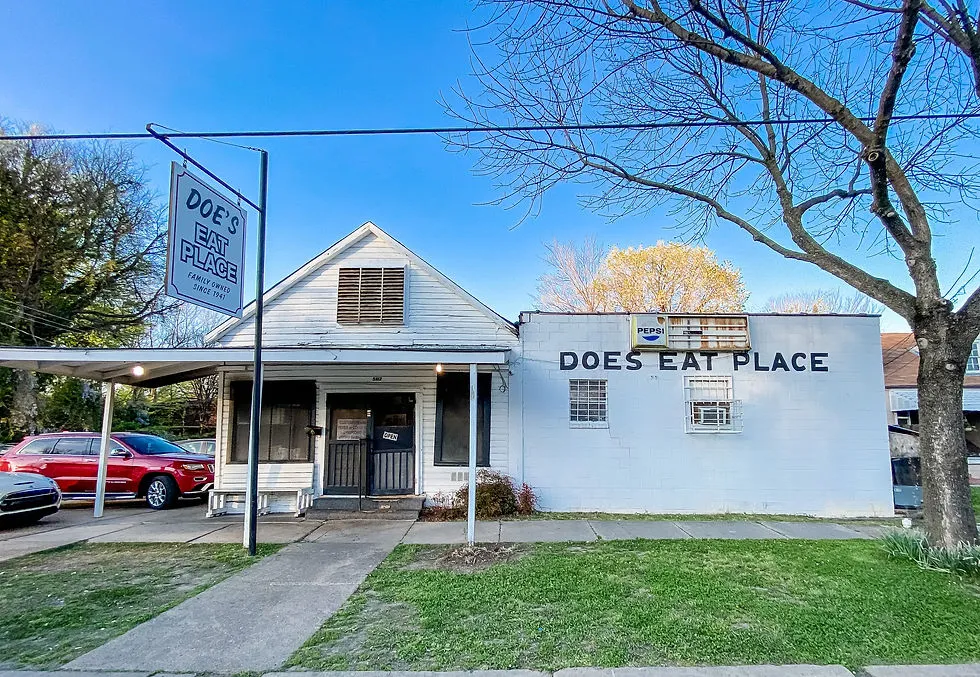 Photo: Doe's Eat Place, via static.wixstatic.com
These remaining vendors face constant challenges. Younger family members often leave for cities, taking traditional knowledge with them. Rising food costs make it harder to maintain the low prices that defined Delta tamales. Competition from chain restaurants and convenience stores cuts into customer bases.
Yet something about this tradition proves remarkably resilient. Food historians have started documenting recipes and stories before they disappear entirely. A few contemporary chefs have rediscovered Delta tamales, though their upscale interpretations often miss the point entirely.
More Than Food
The Delta tamale tradition represents something larger than a regional food quirk. It demonstrates how immigrant foodways can take root and evolve in unexpected places, creating entirely new traditions that belong fully to their adopted homes.
These roadside stands also embodied a different approach to commerce — one based on relationships rather than transactions. Customers didn't just buy tamales; they participated in ongoing community conversations. Vendors knew their regulars' names, families, and preferences.
The decline of Delta tamale culture reflects broader changes in American food systems. Corporate standardization has largely replaced regional variation. Health regulations, while necessary, sometimes eliminate traditional practices that operated safely for generations. Highway improvements that speed travel also eliminate the spontaneous discoveries that made road trips memorable.
For those who remember stopping at weathered stands along Highway 61, Delta tamales represent more than just food — they're reminders of an America where unexpected flavors could emerge from cultural mixing, where family businesses operated on handshakes and reputation, and where the best discoveries happened not through guidebooks but through hand-painted signs glimpsed from car windows.