When Your Local Pharmacy Brewed Beer: The Forgotten Medicinal Ales That Actually Worked
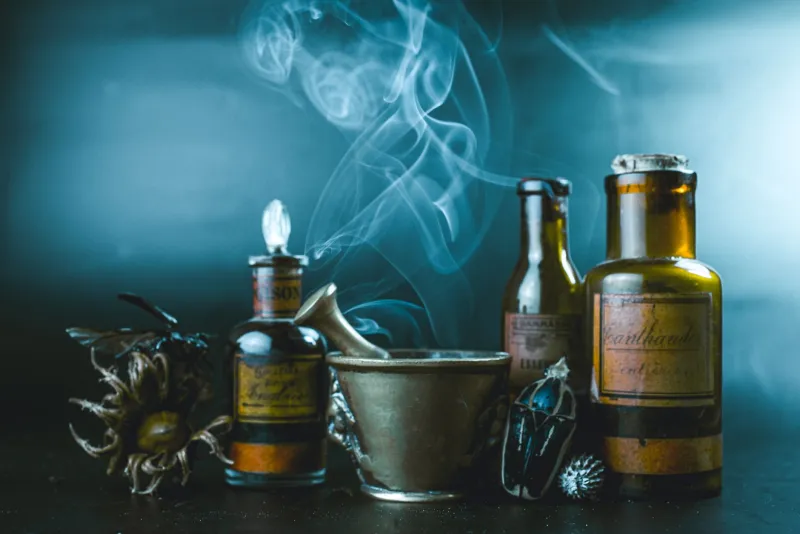
Step into any pharmacy today and you'll find rows of plastic bottles filled with synthetic compounds. But 150 years ago, your local apothecary looked more like a combination brewery, herb garden, and chemistry lab — and the "medicine" they prescribed often came in a brown bottle with a cork.
American pharmacist-brewers created some of the most sophisticated fermented medicines the world has ever seen. Then Prohibition wiped them out almost overnight.
The Apothecary Brewmaster
In the mid-1800s, the line between pharmacy and brewery was beautifully blurred. Pharmacists understood fermentation as a delivery system for medicinal compounds, while brewers knew that certain herbs and roots could enhance both flavor and health benefits. The marriage of these skills created a unique American tradition: the medicinal ale.
These weren't your grandfather's beer. Apothecary brews typically contained 2-4% alcohol — enough to act as a preservative and extraction medium, but not enough to cause intoxication. The real magic happened in the botanical additions: burdock root for skin conditions, sarsaparilla for "blood purification," spruce tips for scurvy prevention, and dozens of other carefully selected plants.
Dr. Augustus Koch, who operated both a pharmacy and small brewery in Milwaukee from 1867 to 1919, kept detailed records of his medicinal beer recipes. His "Digestive Ale" contained chamomile, fennel seed, and ginger — a combination that modern research confirms can indeed aid digestion. His "Nervine Beer" featured valerian root and hops, both now recognized for their calming properties.
 Photo: Dr. Augustus Koch, via i.ytimg.com
The Science Behind the Suds
What made these pharmacist-brewers remarkable wasn't just their botanical knowledge — it was their understanding of fermentation as a biotechnology. They knew that certain yeasts could enhance the extraction of medicinal compounds from plants, while others might interfere with therapeutic effects.
Sarsaparilla beer, popular throughout the late 1800s, demonstrates this sophistication. Sarsaparilla root contains saponins — compounds that are poorly absorbed by the human digestive system when consumed raw. But when fermented with specific yeast strains, these saponins become more bioavailable. Pharmacist-brewers discovered this through trial and observation decades before anyone understood the chemistry.
Spruce beer, another pharmacy staple, solved a genuine medical problem. Spruce tips contain vitamin C and other compounds that prevent scurvy, but they're almost inedible when fresh. Fermentation transformed these bitter, resinous needles into a palatable beverage that sailors and frontiersmen could actually consume in therapeutic quantities.
Regional Specialties and Local Wisdom
Just as regional cuisines developed around local ingredients, medicinal brewing reflected the botanical resources of different areas. New England pharmacist-brewers specialized in birch beer, using the wintergreen-flavored bark of yellow birch trees. Southern apothecaries created sassafras ales that were prescribed for everything from rheumatism to "sluggish blood."
In the Pacific Northwest, where indigenous peoples had long used Oregon grape root for digestive ailments, immigrant pharmacists learned to incorporate this bitter yellow root into fermented tonics. The resulting beers were startlingly effective for stomach troubles — something modern herbalists are rediscovering as they study the antimicrobial properties of berberine, Oregon grape's active compound.
Dr. Heinrich Zimmermann, who operated a pharmacy-brewery in San Francisco's German district, created what he called "Miners' Tonic" — a low-alcohol beer brewed with dandelion root, burdock, and yellow dock. Gold rush miners swore by it for preventing the digestive problems that plagued men living on beans, hardtack, and whiskey. Zimmermann's detailed journals, preserved at the California Historical Society, reveal a sophisticated understanding of how different herbs work synergistically.
 Photo: Dr. Heinrich Zimmermann, via e-roller.com
The Prohibition Catastrophe
When the Volstead Act took effect in 1920, it didn't just ban recreational drinking — it destroyed an entire tradition of medicinal brewing. Thousands of small pharmacy-breweries closed overnight. Recipes that had been refined over decades disappeared as their creators pivoted to purely pharmaceutical pursuits or went out of business entirely.
Some pharmacists tried to continue under the "medicinal purposes" exemption, but the bureaucracy was overwhelming. Others attempted to preserve their knowledge by converting wet recipes to dry herb preparations, but something essential was lost in translation. The living fermentation process that made these medicines work couldn't be captured in a powder or tincture.
By 1933, when Prohibition ended, the knowledge base was largely gone. The new generation of pharmacists had been trained in synthetic chemistry, not botanical fermentation. The connection between brewing and healing had been severed, seemingly permanently.
The Modern Revival
Today, a small number of craft brewers and herbalists are quietly reconstructing this lost tradition. Companies like Scratch Brewing in Illinois and Jester King in Texas experiment with historical medicinal beer recipes, often working with ethnobotanists and food historians to understand the original techniques.
The results are revelatory. Modern versions of spruce beer, brewed with proper attention to the original methods, demonstrate why sailors once considered it essential medicine. Contemporary burdock ales, when properly fermented, show genuine anti-inflammatory effects that validate their historical use.
Sean Paxton, known as the "Homebrew Chef," has spent years researching pre-Prohibition medicinal beer recipes. His recreation of a 1890s sarsaparilla ale, based on a recipe from a Philadelphia pharmacy, contains over a dozen botanicals and requires a six-month fermentation process. "These weren't just beers with herbs thrown in," Paxton explains. "They were sophisticated medicines that happened to be delicious."
Lessons from the Medicine Cabinet
The tradition of pharmacist-brewers offers modern lessons about the intersection of food and medicine. These practitioners understood something we're just rediscovering: that fermentation can enhance the bioavailability of plant compounds, that small amounts of alcohol can serve therapeutic purposes, and that medicine doesn't have to taste terrible to work.
As interest in functional foods and traditional medicine grows, the forgotten wisdom of America's apothecary brewers deserves attention. Their recipes weren't folk remedies or old wives' tales — they were the products of trained pharmacists who combined scientific knowledge with brewing expertise to create genuinely effective medicines.
The next time you reach for a probiotic kombucha or an herbal tea, remember that you're participating in a tradition that once produced far more sophisticated fermented medicines. Those brown bottles in your great-grandfather's medicine cabinet might have contained the most effective digestive aids, sleep remedies, and immune boosters of their era.
Some traditions are worth reviving, one carefully fermented batch at a time.