Tin Pail Treasures: How Poverty-Born School Lunches Became America's Greatest Regional Recipes
The rusted tin lunch pail sitting in your grandmother's attic holds more culinary secrets than any cookbook ever written.
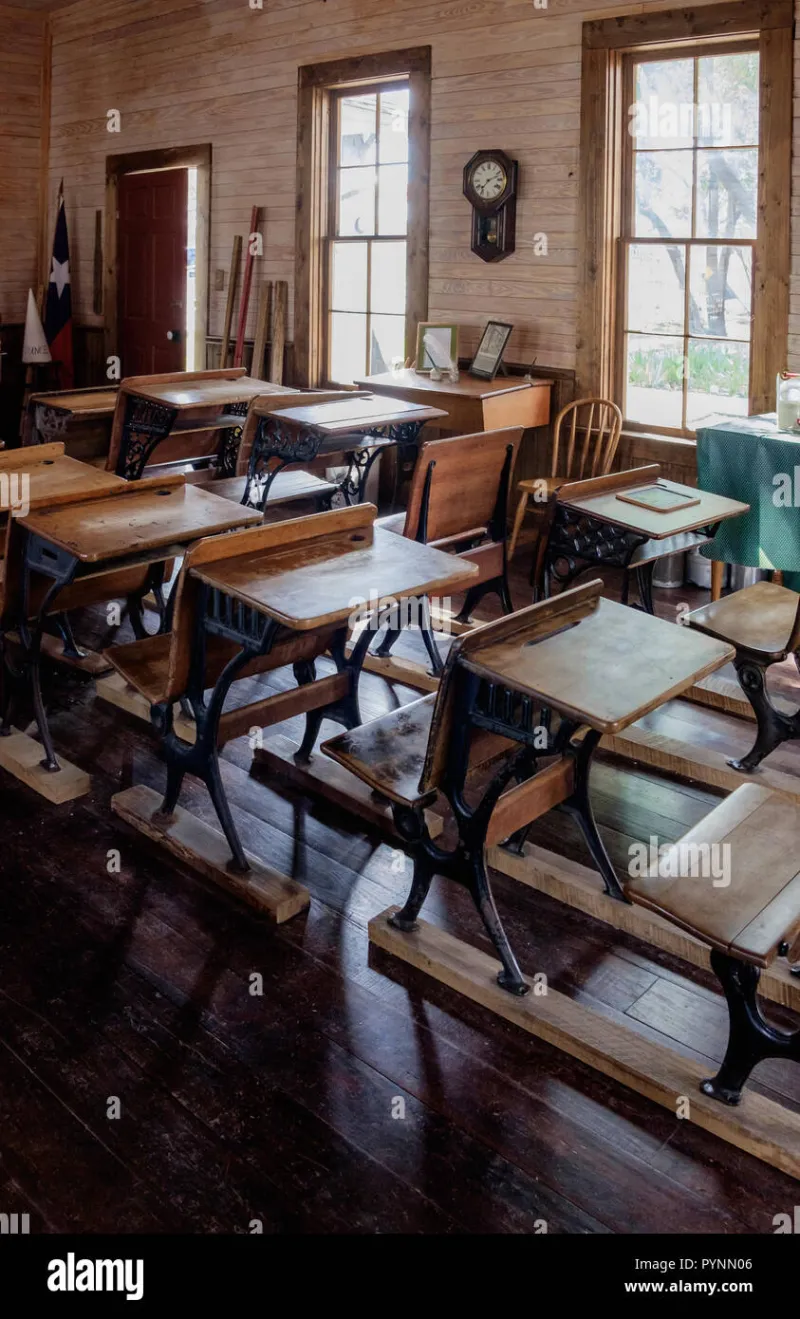
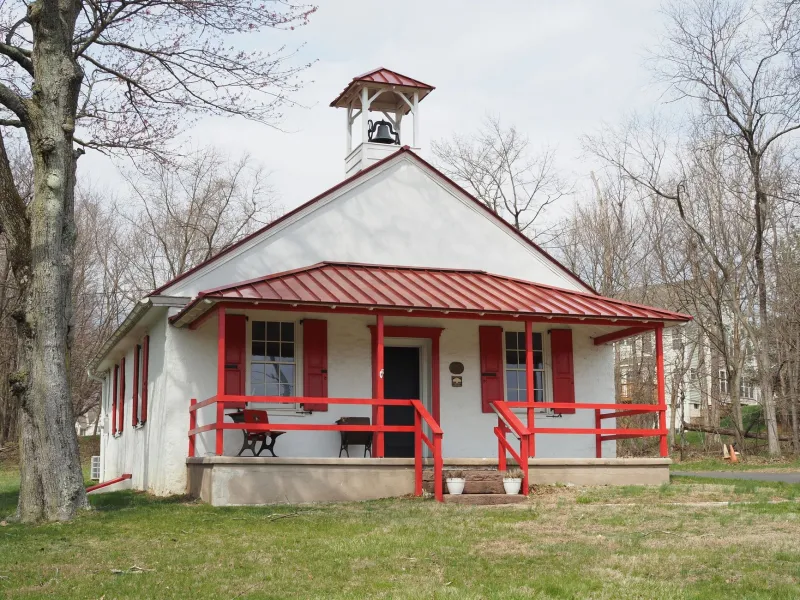
In the late 1800s, when one-room schoolhouses dotted America's countryside like scattered seeds, children carried their midday meals in whatever containers their families could spare — old syrup tins, repurposed tobacco boxes, or if they were lucky, actual lunch pails hammered together by the local blacksmith. What went inside those containers wasn't planned by nutritionists or tested by food scientists. It was pure survival cooking, born from empty pantries and endless creativity.
Yet somehow, those humble school lunches quietly invented the regional comfort foods we still crave today.
The Appalachian Innovation
In the mountains of West Virginia and Kentucky, mothers faced an impossible challenge: pack a meal that would keep a child satisfied through long school days while using ingredients that cost almost nothing. Their solution? The "leather britches" sandwich — green beans dried on strings until they resembled strips of leather, then rehydrated with whatever fat was available and stuffed between thick slices of cornbread.
 Photo: West Virginia, via www.aceshowbiz.com
This wasn't just making do. It was accidental food science. The drying process concentrated the beans' flavor while the cornbread provided essential calories. Kids would trade these sandwiches like currency, and the combination became so popular that it spread beyond school walls into family dinner tables.
Today's Appalachian green bean casseroles, with their emphasis on slow-cooked beans and cornbread sides, trace their DNA directly back to those schoolyard lunch trades.
Prairie Pocket Meals
Out on the Great Plains, where winter winds could freeze a lunch solid in minutes, Nebraska and Kansas families developed the "pocket pie" — a hand-held meal that combined whatever protein was available (usually salt pork or dried beef) with root vegetables, all wrapped in a sturdy pastry that could withstand a morning in a drafty schoolhouse.
 Photo: Great Plains, via dkstatics-public.digikala.com
These weren't elegant affairs. The crusts were thick enough to serve as both container and insulation. The fillings were whatever survived in the root cellar. But children loved them because they could eat with one hand while playing during recess.
The pocket pie tradition never made it into formal cookbooks, but it survived in family kitchens across the Midwest. Every time you bite into a modern hot pocket or empanada, you're tasting the echo of a prairie schoolchild's lunch.
Deep South Survival Cooking
In Mississippi and Alabama, where many families lived on sharecropper wages that barely covered rent, mothers performed daily miracles with cornmeal, molasses, and whatever vegetables they could grow in small kitchen gardens. The signature school lunch became "molasses bread" — thick slices of cornbread soaked in sorghum syrup and packed with chopped onions, peppers, or greens.
It sounds simple, but this combination solved multiple problems. The molasses provided quick energy for growing bodies. The vegetables added essential nutrients. And the bread was filling enough to last until evening.
Modern Southern cornbread recipes, with their slightly sweet flavor and dense texture, still carry the DNA of those Depression-era school lunches. The tradition of serving cornbread alongside greens and onions at Sunday dinner? That started in a schoolyard in rural Alabama.
The Trading Post Effect
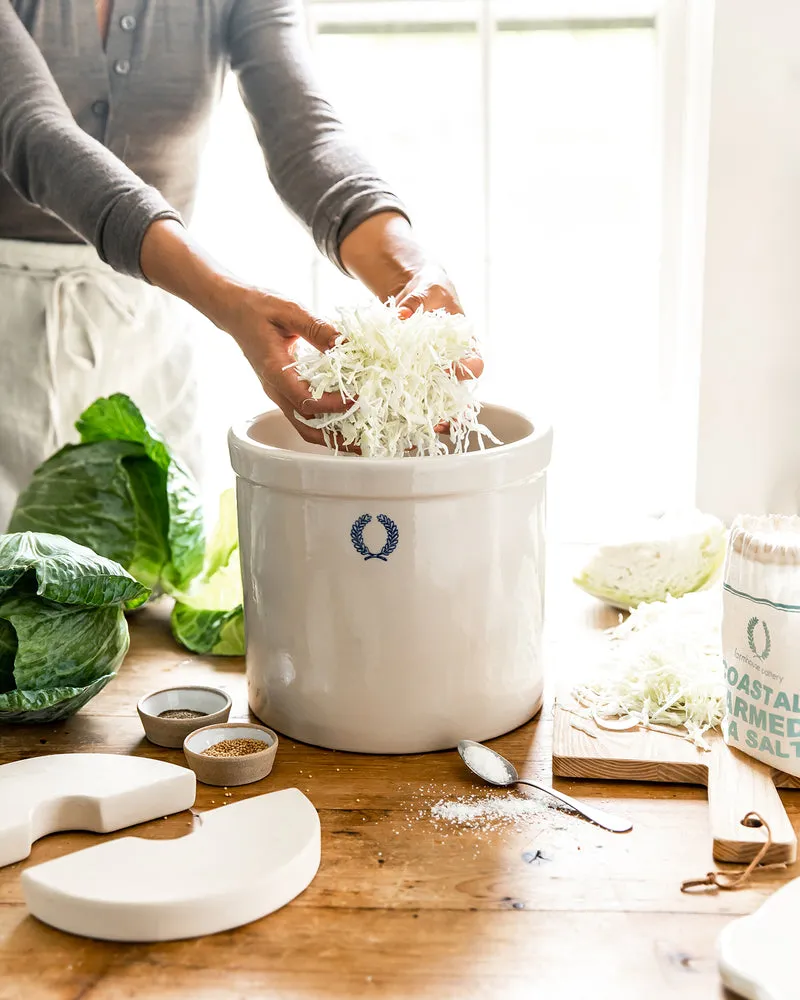
What made these school lunches truly revolutionary wasn't just their individual brilliance — it was how children traded them. A kid from a German farming family might swap their sauerkraut sandwich for an Italian child's olive oil and tomato creation. Irish potato cakes traded hands for Polish sausage rolls.
These trades created fusion flavors that never would have happened in isolated home kitchens. Children brought these new combinations home, and mothers adapted them for family meals. Over time, entire regions developed shared flavor profiles that reflected not just their primary ethnic groups, but the beautiful collision of cultures that happened during lunch period.
The Lost Art of Necessity
By the 1920s, school cafeterias began replacing lunch pails in urban areas. By the 1940s, even rural schools were installing kitchens and serving standardized meals. The era of creative poverty lunches was ending, but their influence was just beginning.
Those tin pail recipes survived in family kitchens, passed down through generations of home cooks who never realized they were preserving a unique chapter of American food history. They became "just how we've always made it" — which is exactly how the best traditions hide in plain sight.
The next time you taste a regional comfort food that seems perfectly suited to its place, remember that it might have started with a hungry child, a creative mother, and a battered tin lunch pail. Sometimes the most important culinary innovations happen not in restaurant kitchens or food labs, but in the quiet desperation of making something from nothing — and making it delicious enough to trade.