The Church Lady Who Carried America's Greatest BBQ Secret in Her Apron — And Never Wrote It Down
The Recipe That Lived in Mrs. Henderson's Head
Every third Saturday in August, the parking lot behind Mount Olive Baptist Church in Clarksdale, Mississippi, would fill with smoke and the kind of anticipation that money can't buy. Families would drive from three counties over, not for the music or the fellowship, but for exactly one thing: Mrs. Ethel Henderson's barbecue sauce.
 Photo: Mrs. Ethel Henderson, via cache.legacy.net
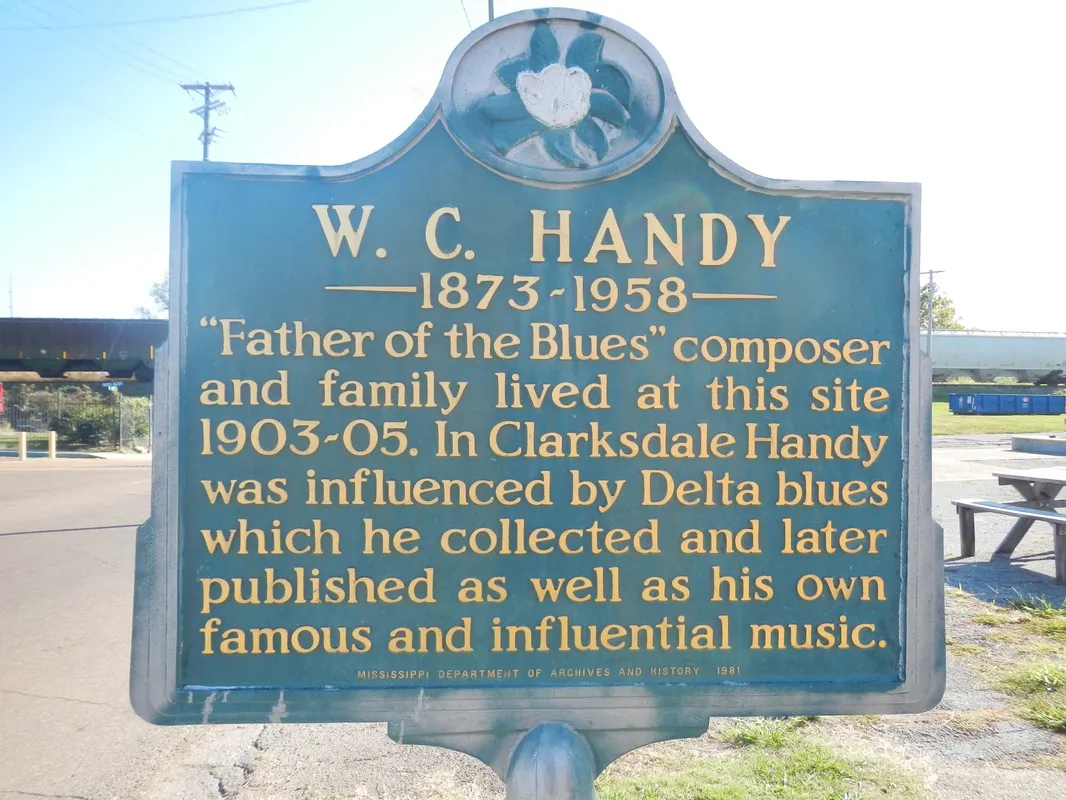 Photo: Clarksdale, Mississippi, via donfinneythekentuckyyears.weebly.com
 Photo: Mount Olive Baptist Church, via avatars.planningcenteronline.com
For thirty-seven years, Mrs. Henderson presided over the church's annual fundraiser with a wooden spoon in one hand and a mason jar of her secret sauce in the other. People would beg her for the recipe. She'd just smile and pat the pocket of her flowered apron, where she kept a crumpled piece of paper covered in her own cryptic shorthand — measurements that made sense only to her.
When Mrs. Henderson passed away in 2019, that recipe died with her.
The Keepers of Sacred Formulas
Mrs. Henderson wasn't unique. Across the rural South and Midwest, a particular type of church cook has held court over community barbecue events for generations. These weren't professional pitmasters or cookbook authors — they were usually women who'd learned their craft from mothers and grandmothers, who'd spent decades perfecting sauce recipes that existed nowhere but in their own kitchens.
These recipes weren't written down because they didn't need to be. They were living documents, adjusted seasonally based on what was available, tweaked year by year as tastes evolved, and passed down through demonstration rather than instruction. A pinch of this, a splash of that, cook it until it "looks right" — directions that made perfect sense to someone who'd been making the same sauce for forty years.
The Geography of Secret Sauces
What made these church barbecue sauces special wasn't just their secrecy — it was how deeply they reflected their specific communities. Mrs. Henderson's sauce incorporated sorghum syrup from a local farm and a particular brand of hot sauce that was only distributed in the Mississippi Delta. Two counties over, Mrs. Ruby Williams used honey from her brother's beehives and a vinegar that came from a family operation that had been running since Reconstruction.
These weren't random ingredient choices. They were edible maps of local agriculture, family connections, and community relationships built over generations. The sauce wasn't just flavoring for the meat — it was a liquid representation of place, impossible to replicate without access to the same network of suppliers, family recipes, and local knowledge.
The Oral Tradition of Flavor
Unlike restaurant recipes or cookbook formulas, these church barbecue sauces lived in an oral tradition that prioritized adaptation over consistency. Mrs. Henderson might use more molasses in years when the local sorghum crop was poor, or add extra vinegar when the summer was particularly hot and the sauce needed more preservation power.
The recipes evolved constantly, but always within parameters that maintained their essential character. A new church cook might be allowed to "help" for years before being trusted with the full formula, learning through observation and gradually taking on more responsibility as the older cook aged.
What Died with the Recipe Keepers
When recipe keepers like Mrs. Henderson pass away, more than just ingredients and measurements disappear. Gone too is the accumulated wisdom about timing, technique, and the hundreds of small adjustments that turned good sauce into legendary sauce.
Mrs. Henderson knew exactly how the sauce should smell when it was ready, how it should coat the spoon, and how the color would change based on the humidity that day. She could tell by looking at a batch whether it needed more acid or sweetness, and she'd developed an intuitive understanding of how different cuts of meat required subtle sauce variations.
That kind of knowledge can't be preserved in a written recipe. It exists only in the hands and memory of someone who's made the same sauce thousands of times under countless different conditions.
The Economics of Community Cooking
These church barbecue events operated on completely different economics than commercial food service. Mrs. Henderson wasn't trying to maximize profit or achieve consistent flavor across multiple locations. She was cooking for her community, using ingredients donated by local farmers and suppliers who'd been supporting the church for decades.
This allowed for ingredient choices that would be impossible in a commercial setting. If the local peach orchard had a good year, the sauce might incorporate fresh peach juice. If someone's garden produced an abundance of hot peppers, those would find their way into the recipe. The sauce was as much a reflection of that year's local harvest as it was a consistent formula.
The Search for Living Recipes
Across small-town America, food lovers are beginning to realize what's being lost as these recipe keepers age out. Some communities have started "recipe rescue" projects, trying to document these oral traditions before they disappear entirely.
But the challenge isn't just getting the ingredients and measurements — it's capturing the tacit knowledge that makes the recipes work. How do you write down "cook until it tastes right"? How do you preserve the understanding that the sauce needs to be stirred clockwise for exactly seven minutes, or that it should never be made on a humid day?
The Last of the Apron Archives
In Meridian, Mississippi, 78-year-old Mrs. Dorothy Evans still makes her grandfather's barbecue sauce for the annual church fundraiser. She's one of the last keepers of these oral traditions, and she knows it. "Young folks want everything written down," she says, "but some things you just got to feel."
Mrs. Evans has started teaching her granddaughter the recipe, but it's a slow process. "She keeps asking me for measurements," Mrs. Evans laughs. "I tell her, 'Honey, your great-great-grandmother didn't have measuring cups. She used what she had, and she made it work.'"
Why Some Recipes Should Stay Secret
There's something almost sacred about recipes that exist only in the memory of their makers. In a world where every restaurant formula gets reverse-engineered and every family recipe ends up on Pinterest, these church barbecue sauces represent a different relationship with food — one where community, tradition, and place matter more than replication and scale.
Mrs. Henderson's sauce was never meant to be bottled and sold. It existed for one purpose: to bring her community together three or four times a year, to raise money for church repairs and youth programs, and to continue a tradition that connected her to the women who'd stood in that same church kitchen before her.
Maybe some recipes are supposed to disappear when their keepers do. Maybe the fact that you can't Google Mrs. Henderson's barbecue sauce formula is exactly what made it special. In a world where everything is documented, digitized, and preserved, perhaps the last truly secret recipes are the most precious of all.
The next time you encounter a church barbecue fundraiser in small-town America, pay attention. You might be tasting something that exists nowhere else in the world — a flavor that lives only in one person's memory, carried in an apron pocket, waiting to disappear forever when its keeper is gone.