Wild Rice Isn't Rice — It's America's Lost Superfood That Sustained Entire Nations
The Grain That Built Nations
Walk down the specialty grains aisle of any Whole Foods, and you'll probably spot packages of something called "wild rice" sitting quietly between the quinoa and farro. Most shoppers pass it by, maybe thinking it's just an expensive version of regular rice. They couldn't be more wrong.
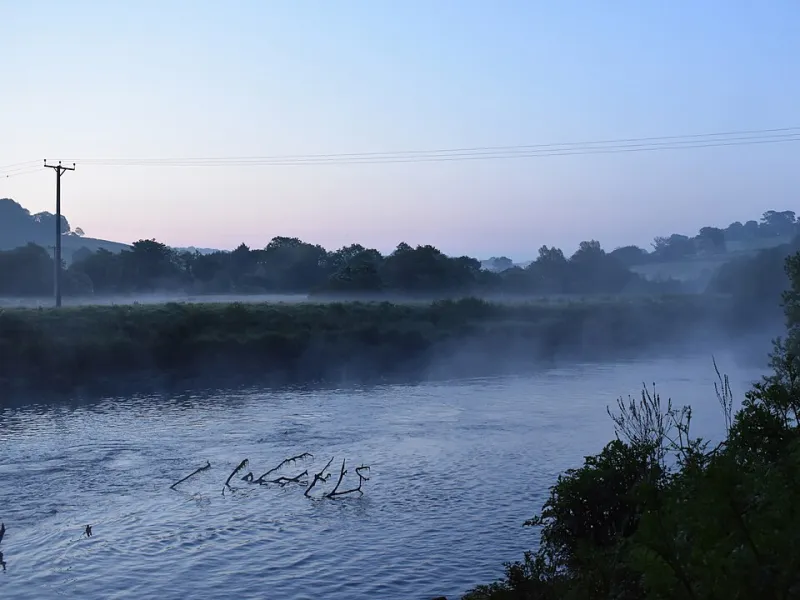
That dark, slender grain isn't rice at all. It's Zizania palustris — an aquatic grass that once sustained entire Indigenous civilizations across what we now call Minnesota, Wisconsin, and the northern Great Lakes region. For over a thousand years, this single grain was so central to survival that entire cultures organized their calendars around its harvest.
The September Moon and Sacred Harvests
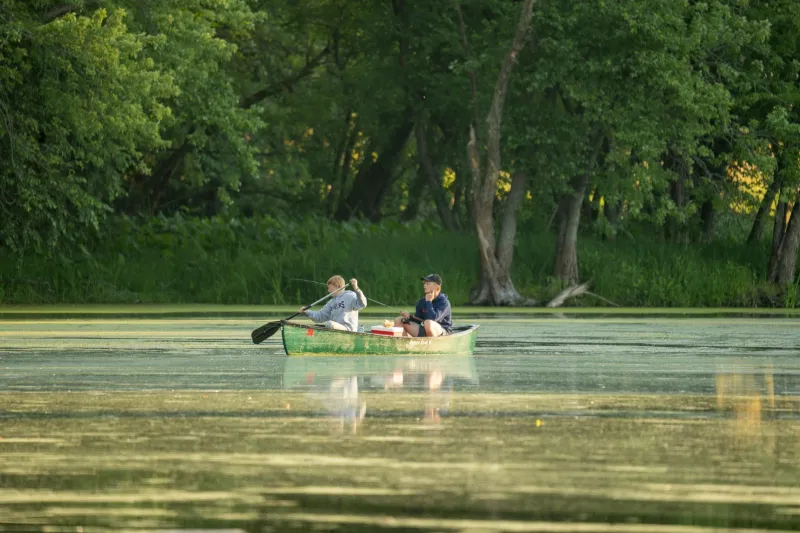
The Ojibwe people called it manoomin, which translates roughly to "the good berry." Every September, when the grain reached perfect ripeness, entire communities would relocate to the shallow lakes where wild rice grew naturally. Families would paddle out in canoes, one person poling through the rice beds while another used wooden sticks to bend the tall grass over the canoe and knock the ripe grains into the boat.
This wasn't just food gathering — it was a sacred practice governed by strict protocols. Harvesters could only take what they needed, always leaving enough seed for next year's crop. The timing had to be perfect: too early and the grains wouldn't be mature; too late and they'd have fallen into the water to naturally reseed the beds.
Nutritional Powerhouse Hidden in Plain Sight
What made wild rice so valuable wasn't just its abundance — it was its incredible nutritional density. While European settlers were struggling with scurvy and malnutrition, Indigenous communities thriving on wild rice were getting complete proteins, essential amino acids, B vitamins, and minerals that most grains simply don't provide.
Modern nutritional analysis reveals why wild rice was such a game-changer: it contains nearly twice the protein of brown rice, three times the fiber, and significant amounts of folate, magnesium, and zinc. It's also naturally gluten-free and has a low glycemic index, making it ideal for sustained energy during long hunting expeditions or harsh winters.
The Grain That Disappeared from American Tables
So how did a food this nutritious and historically important become a specialty store curiosity? The answer lies in the systematic destruction of wild rice beds that began in the mid-1800s.
As European-American settlers moved into the Great Lakes region, they saw the shallow lakes where wild rice grew as prime real estate for farming. Wetlands were drained, rivers were dammed, and water levels were altered to create agricultural land. Within a few decades, millions of acres of natural wild rice beds had been destroyed.
Simultaneously, government policies forced Indigenous communities onto reservations, often far from their traditional harvesting grounds. The knowledge of how to properly harvest, process, and cook wild rice began to fade as families were separated from both the grain and their traditional food systems.
The Quiet Comeback
What most people don't realize is that wild rice never completely disappeared — it just went underground. A dedicated network of Indigenous farmers, environmental activists, and small-scale producers have been working for decades to restore wild rice beds and revive traditional harvesting practices.
In northern Minnesota, the White Earth Land Recovery Project has restored thousands of acres of wild rice habitat while training young tribal members in traditional harvesting techniques. Their hand-harvested wild rice commands premium prices from chefs who understand that this isn't just another grain — it's a completely different flavor experience.
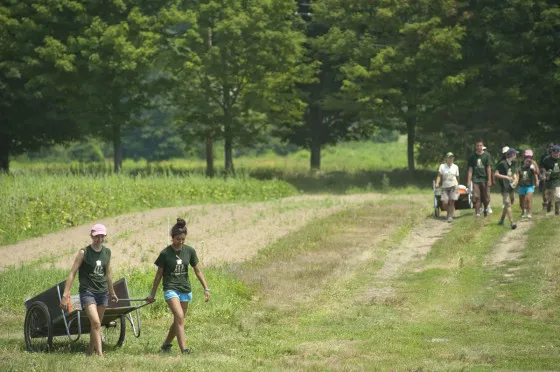 Photo: White Earth Land Recovery Project, via equitytrust.org
Why Your Wild Rice Probably Isn't Wild
Here's where things get complicated: most of the "wild rice" sold in American grocery stores isn't actually wild. It's cultivated in California rice paddies using a different species (Zizania aquatica) that can be machine-harvested and processed like regular rice.
Real wild rice — the stuff that's still hand-harvested from natural lakes — has a completely different character. The grains are longer, the texture is chewier, and the flavor is intensely nutty with an almost smoky depth that cultivated versions can't match. It also costs significantly more, which is why most commercial producers stick with the paddy-grown version.
Finding the Real Thing
Authentic, hand-harvested wild rice is making its way back into American kitchens, but you have to know where to look. Many tribal cooperatives now sell directly to consumers online, and some specialty food stores carry genuinely wild harvested rice from places like the Leech Lake Band of Ojibwe or the Bad River Band.
 Photo: Leech Lake Band of Ojibwe, via aianta.s3.amazonaws.com
The easiest way to spot the real thing? Price and appearance. Hand-harvested wild rice costs significantly more than the cultivated stuff, and the grains are noticeably longer and more irregular in size. The flavor difference is unmistakable — once you taste genuine wild rice, the paddy-grown version seems flat and bland by comparison.
Cooking America's Original Grain
Wild rice requires a different approach than regular rice. It needs more water and longer cooking time — sometimes up to an hour for hand-harvested varieties. But the payoff is worth it: properly cooked wild rice has a texture that's simultaneously tender and chewy, with a nutty flavor that pairs beautifully with everything from roasted vegetables to wild game.
Traditional preparations often combined wild rice with maple syrup, dried berries, and nuts — combinations that modern nutritionists recognize as nearly perfect balanced meals. These weren't just tasty dishes; they were carefully calibrated fuel for people who needed sustained energy for hunting, traveling, and surviving harsh winters.
The Future of America's Forgotten Grain
As more Americans become interested in sustainable agriculture and indigenous food systems, wild rice is quietly experiencing a renaissance. Restaurants from Minneapolis to New York are featuring hand-harvested wild rice on their menus, and home cooks are discovering that this ancient grain fits perfectly into modern healthy eating patterns.
But perhaps more importantly, the revival of wild rice represents something larger: a growing recognition that America's food heritage extends far beyond European farming traditions. For over a millennium, this single grain sustained complex civilizations in North America. The fact that it's still available — still growing in the same lakes where it fed Indigenous communities for centuries — is a small miracle worth celebrating.
The next time you see wild rice on a store shelf, remember: you're looking at one of North America's original superfoods, a grain that once built nations and is quietly building them again.