When Community Kitchens Fed Anyone Who Walked Through the Door — No Forms, No Questions, No Judgment
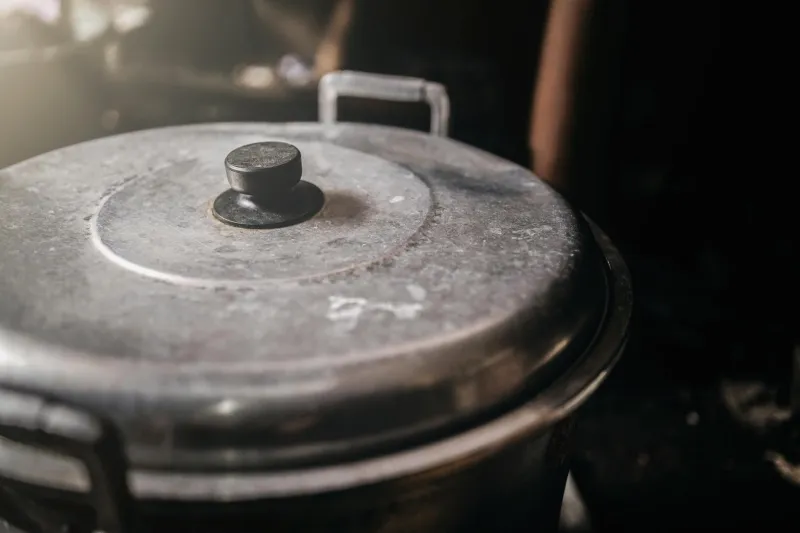
Walk into any modern food bank, and you'll encounter forms, income verification, wait times, and careful documentation. But for decades in early 20th-century America, thousands of people ate daily at places that operated on a completely different principle: show up hungry, get fed, no questions asked.
The Invisible Network That Fed Industrial America
Tucked into the storefronts and basements of immigrant neighborhoods across American cities, an informal network of community kitchens served anyone who walked through their doors. These weren't official charities or government programs — they were usually run by immigrant women who simply cooked large quantities of familiar food and served it to whoever needed it.
In Chicago's Polish neighborhoods, Mrs. Kowalski might have a pot of pierogi and soup going every afternoon. Down the street, an Italian family served pasta to construction workers who couldn't afford restaurant prices. A few blocks over, Jewish families ladled out bowls of soup to anyone who looked like they needed a meal.
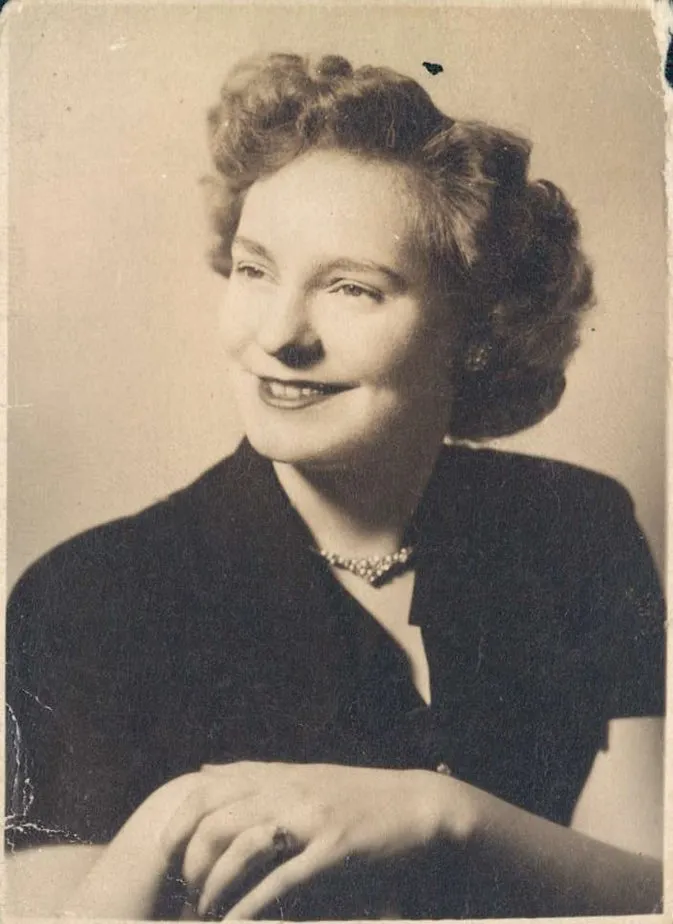 Photo: Mrs. Kowalski, via www.cardinalfuneralhomes.com
The system was beautifully simple: cook more than you need, charge what people can pay, give it away when they can't.
How Radical Generosity Actually Worked
These kitchens operated on principles that would seem revolutionary today. No paperwork. No proof of income. No verification of need. No tracking of who ate what or how often. If you walked in during meal hours, someone handed you food.
The economics were equally straightforward. Those who could afford it paid a small amount — usually enough to cover ingredients. Those who couldn't afford it worked for an hour or two, helping with dishes or food prep. Some people simply ate for free, no strings attached.
This wasn't charity in the modern sense — it was community infrastructure. The same way neighborhoods had informal childcare networks or tool-sharing arrangements, they had feeding networks. Everyone understood that sometimes you needed help, and sometimes you provided it.
The Women Who Made It Happen
Most of these kitchens were run by immigrant women who had learned to cook for large groups out of necessity. In tenement buildings, families often shared cooking facilities, so making food for 20 people wasn't much different from making it for six.
These women weren't social workers or trained nutritionists — they were mothers and wives who understood hunger and knew how to stretch ingredients. They bought in bulk, cooked simple foods that filled stomachs, and served meals that reminded people of home.
Many operated these kitchens while raising their own children and managing household economies that barely broke even. The kitchen might be their only source of independent income, but they still fed people who couldn't pay.
Why the System Worked So Well
The informal nature of these kitchens was actually their greatest strength. Without bureaucracy, overhead, or administrative costs, nearly every dollar went directly to food. Without means testing or verification processes, people could eat immediately when they needed to.
The community aspect meant that regular customers looked out for each other. Experienced workers might bring newcomers. People shared job leads over bowls of soup. The kitchens became informal community centers where information, support, and food all flowed freely.
Most importantly, the system preserved dignity. When anyone could walk in and eat without proving their worthiness, there was no shame in needing a meal. The same person might pay full price one week and eat for free the next, depending on their circumstances.
When Organization Killed Generosity
As formal social services expanded in the 1930s and beyond, these informal kitchens gradually disappeared. Government programs required documentation, professional standards, and official oversight. Well-meaning regulations about food safety and proper facilities made it harder for neighborhood women to simply cook and serve food.
The new system was more efficient, more sanitary, and more accountable. It was also more bureaucratic, more impersonal, and more complicated. The trade-off was significant: we gained professional food assistance programs but lost the radical simplicity of community feeding.
What We Lost When Kindness Got Organized
Modern food assistance helps millions of people, but something essential was lost in the transition. The informal kitchens operated on trust, flexibility, and immediate response to need. Today's systems operate on verification, consistency, and protection against fraud.
The old system assumed people were honest about their hunger. The new system assumes some people might lie. The old system fed anyone who showed up. The new system feeds people who can prove they qualify.
Most significantly, the informal kitchens were embedded in communities. The people who ran them lived in the neighborhoods, understood local challenges, and adapted their services to what people actually needed. They weren't implementing programs — they were solving problems.
The Hidden Legacy
Traces of this informal feeding tradition still exist in immigrant communities, church basements, and neighborhood gathering places. Food trucks that feed construction workers without checking IDs. Community gardens that leave produce for anyone to take. Restaurants that quietly feed people who can't pay.
These modern examples operate in the margins of our more formal systems, proving that the impulse to feed hungry people without bureaucracy never completely disappeared. They just had to get more creative about how they do it.
The forgotten soup kitchens remind us that feeding people doesn't have to be complicated. Sometimes the most radical thing you can do is make extra food and trust that the people who need it will find their way to your door.