The Secret Language of Roadside Stands That Helped Drivers Find Perfect Produce
Driving America's rural highways today, you might notice the occasional hand-painted sign advertising "Fresh Corn" or "Tomatoes." But what you probably don't realize is that you're missing an entire conversation. For generations, roadside produce stands communicated through a sophisticated visual language that experienced buyers could read like a roadmap to the best deals and freshest food.
Reading the Road Before Yelp Reviews
In the era before smartphones and GPS, finding good roadside produce required local knowledge passed down through families like treasured recipes. Grandparents taught grandchildren how to spot the signs of a farmer who took pride in their work versus someone just trying to unload surplus.
The system worked because it had to. Rural families driving to town for supplies might pass dozens of stands along a single route. Learning to identify quality from the road saved time, money, and disappointment. More importantly, it connected buyers with farmers who deserved their business.
The Flag System That Spoke Volumes
Most roadside stands flew simple flags, but the colors carried specific meanings that varied by region. In the Midwest, a blue flag often indicated that produce was picked that morning. White flags suggested standard freshness — good quality, but maybe picked yesterday. Red flags were either warnings about older produce or, in some areas, signals that the farmer offered premium selections at higher prices.
Green flags had multiple meanings depending on context. In apple country, they might indicate organic growing methods. Near berry farms, green could mean "pick-your-own" options available. The key was learning your local dialect.
Some farmers used flag combinations like maritime signals. A blue flag over a white one might mean "fresh picked" plus "bulk discounts available." Experienced buyers could decode these messages while driving past at 45 miles per hour.
The Art of Sign Reading
Handwritten signs told stories beyond their words. Neat, carefully lettered signs suggested farmers who paid attention to details — likely reflected in their produce quality. Hastily scrawled signs might indicate someone trying to move inventory quickly, potentially offering good deals on perfectly fine food.
The materials mattered too. Signs painted on weathered wood suggested established operations with repeat customers. Cardboard signs might indicate newer farmers or seasonal sellers. Signs made from repurposed materials — old license plates, pieces of siding, even hubcaps — often marked the most colorful characters and sometimes the best deals.
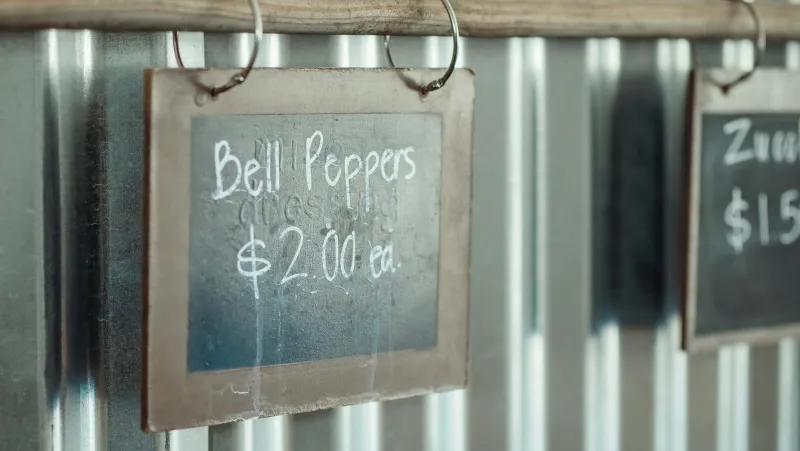
Pricing displays carried their own codes. Prices written in chalk suggested flexibility and fresh inventory. Permanent paint indicated fixed pricing but reliable availability. No visible prices often meant "make an offer" — either a bargain hunter's dream or a tourist trap, depending on your negotiating skills.
The Basket Telegraph
How produce was displayed sent clear signals about quality and farmer personality. Wooden baskets or crates suggested traditional farming methods and attention to presentation. Cardboard boxes might indicate commercial growing operations or wholesale purchasing.
The arrangement told experienced buyers everything they needed to know. Produce displayed in single layers, with the best items clearly visible, indicated honest farmers confident in their quality. Deeply stacked displays where you couldn't see the bottom layers raised suspicions about hidden inferior produce.
Some farmers developed signature display styles that became their calling cards. Mrs. Henderson might always arrange her tomatoes by size and color gradation. The Johnson farm always used the same blue and white checkered tablecloths. These visual brands helped loyal customers spot their preferred sellers from the road.
Location Codes and Timing Signals
Where stands were positioned along the road carried meaning. Stands placed close to farmhouses suggested family operations with strong quality control. Stands positioned at field edges meant ultra-fresh produce but potentially limited selection. Stands near major intersections might offer convenience but possibly higher prices.
Timing signals were crucial for serious buyers. Stands that opened early — signs of activity visible from the road at dawn — typically offered the best selection. Afternoon-only operations might be clearing inventory at discount prices. Stands that stayed open late often catered to local workers and offered competitive pricing.
Seasonal positioning changes told stories too. Farmers who moved their stands closer to the road as harvest season progressed were actively managing their sales. Those who kept the same setup regardless of inventory levels might be less focused on customer service.
The Regional Dialects
This visual language varied significantly across different farming regions. Apple country developed different signals than corn belt areas. Southern peach stands operated on different codes than Northern berry farms.
In California's Central Valley, the color of shade cloth over produce stands indicated different quality levels. In New England, the style of wooden crates carried meaning about whether apples were storage varieties or fresh-picked. Texas roadside stands used different positioning relative to farm buildings to signal various pricing strategies.
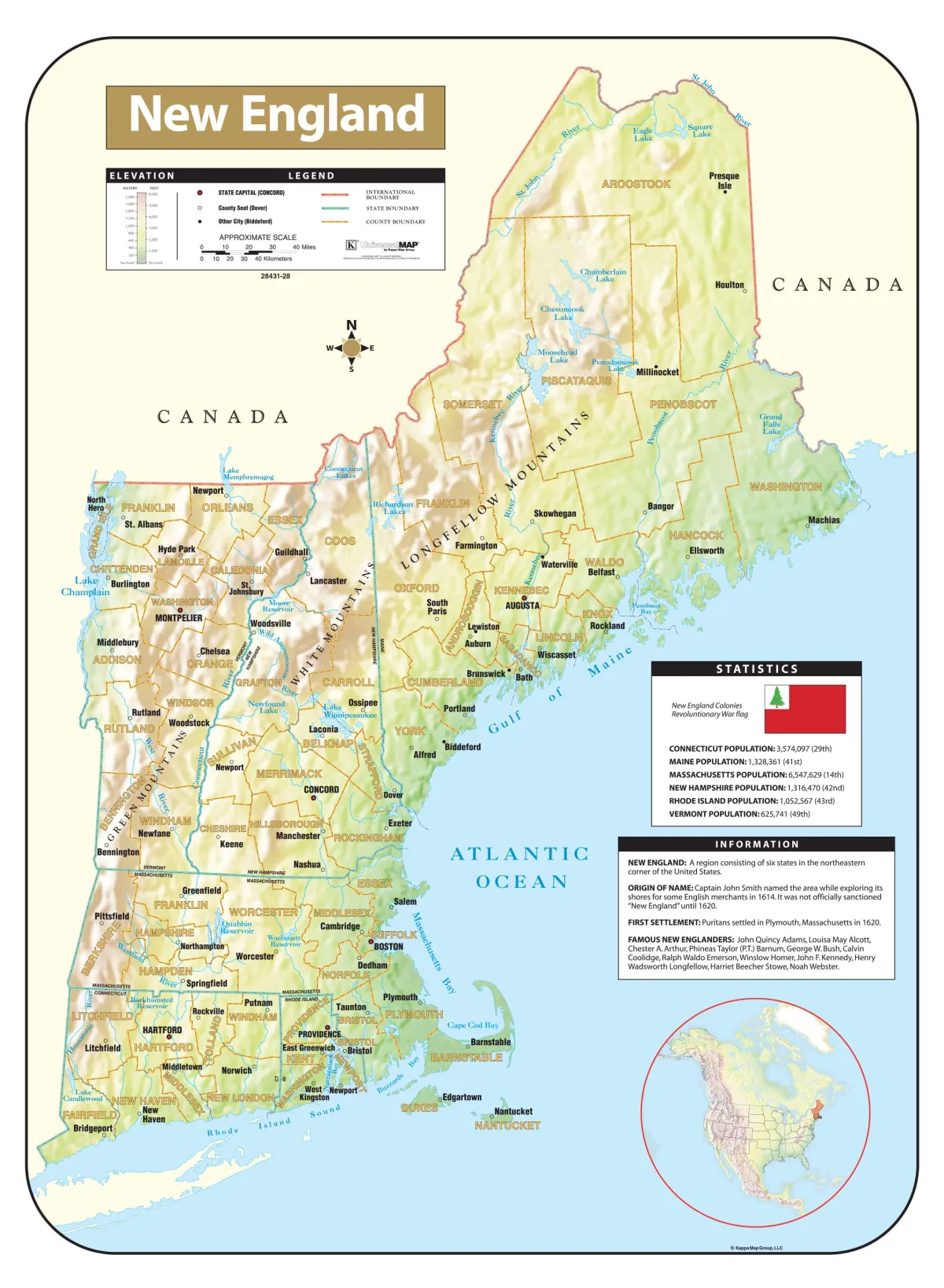 Photo: New England, via kappamapgroup.com
 Photo: California's Central Valley, via defendersofwildlife-360365372.imgix.net
Learning these regional differences was part of becoming a savvy rural driver. Families moving to new farming areas had to decode local customs, often by asking longtime residents or making expensive mistakes.
Why GPS Killed the Code
The rise of GPS navigation, online reviews, and social media fundamentally changed how people find roadside produce. Instead of reading visual cues and developing relationships with local farmers, buyers now rely on digital recommendations and standardized information.
Modern farmers often focus more on online presence than roadside presentation. The careful visual communication that once attracted buyers has been replaced by Facebook posts and Google reviews. While this democratizes information, it also eliminates the skill-building and community knowledge that made roadside shopping an art form.
The Lost Art of Rural Navigation
The decline of roadside stand codes represents a broader loss of place-based knowledge. Knowing how to read these visual signals connected drivers to local farming communities and seasonal rhythms. It required paying attention to landscapes and developing relationships with the people who grew your food.
Today's remaining roadside stands still use some traditional signals, but fewer buyers know how to interpret them. The knowledge exists mostly among older rural residents who learned the system from their parents and grandparents.
What We Can Still Learn
While the formal code system has largely disappeared, elements survive for those who know how to look. Attention to display quality, seasonal timing, and farmer presentation still indicates good produce sources. The principles behind the old system — reading care, freshness, and honesty from visual cues — remain valuable skills for anyone seeking quality food.
The next time you pass a roadside stand, take a moment to really look. The way produce is displayed, the style of signage, and the overall presentation still tell stories about the people growing your food. You might not catch every nuance of the old code system, but you can still participate in this quiet conversation between farmers and the people they feed.